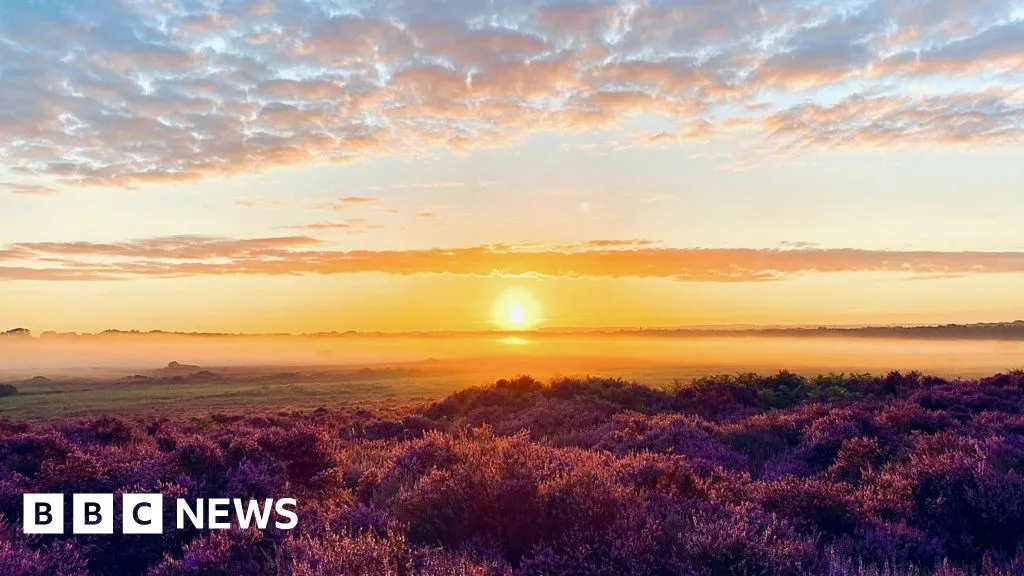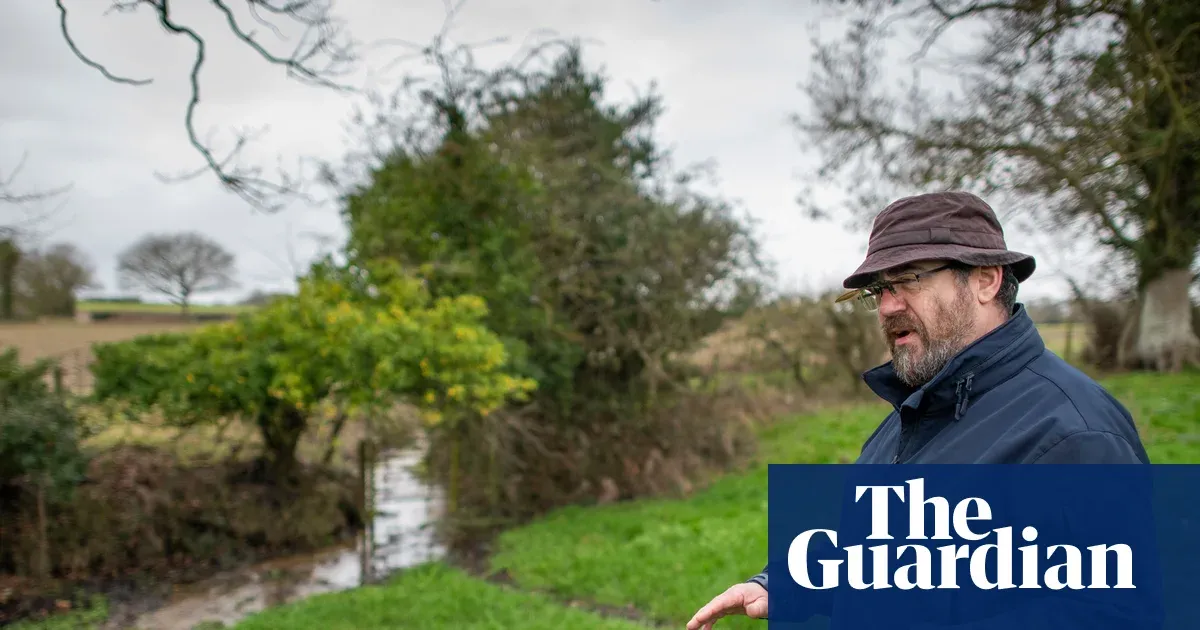
The fields where Norton Wood once stood were stripped bare during World War II. For eighty years, nothing but wheat stubble marked the spot—until this week, when Norfolk Wildlife Trust spent £4.6 million to bring the woodland back.
It's a fitting centenary project. The trust began in 1924 when a Norwich doctor named Sydney Long gathered 12 people in a pub at Cley and convinced them to buy 407 acres of marshland for £5,160. That sanctuary still thrives today. But the Wood Norton purchase—136 hectares of grade-three farmland in Norfolk—signals a fundamental shift in how the trust, and the broader movement it helped pioneer, now approaches conservation.
From protecting rare things to restoring abundance
For most of the last century, wildlife conservation meant drawing a fence around the best remaining scraps—the rarest birds, the richest habitats. Protect what's left. That work was essential and it worked. But Steve Collin, a nature conservation manager at Norfolk Wildlife Trust, describes the new thinking bluntly: "Many of our more common species are suffering too. We can't wait until something is really rare to start looking after it."
We're a new kind of news feed.
Regular news is designed to drain you. We're a non-profit built to restore you. Every story we publish is scored for impact, progress, and hope.
Start Your News Detox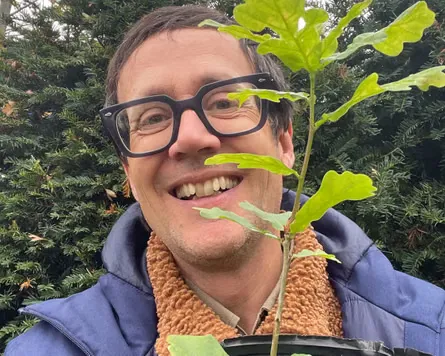
Wood Norton embodies this. The fields are already alive with skylarks, roe deer, kestrels, and Chinese water deer. Soon they'll host arable weeds that feed insects, beaver-engineered wetlands, and eventually cattle and ponies that create a mosaic of grassland and woodland. The trust isn't trying to engineer a perfect nature reserve. Instead, it's removing the machinery—the ploughs, the pesticides, the constant human management—and letting the land remember what it wants to be.
This approach has gained momentum partly because it works at scale. Isolated nature reserves, however well-tended, can't reverse the collapse in insect populations or bird numbers that Britain has experienced over recent decades. Restoring 136 hectares of actively farmed land creates corridors for wildlife, provides pollinators for neighboring farms, and offers natural pest control. It also captures carbon and acts as a natural floodplain, reducing both floods and droughts downstream.
The project is also economically entangled with local need. The purchase was enabled by £3.8 million from Natural England's nutrient mitigation scheme, which funds the removal of intensive farmland near sensitive waterways. By taking this land out of chemical-heavy agriculture, the trust cuts nitrate and phosphate pollution flowing into the River Wensum and Norfolk Broads—pollution that makes development impossible in the wider catchment. The scheme allows local housing to be built elsewhere. As Eliot Lyne, the trust's chief executive, puts it: "We're helping create new homes for wildlife and new homes for our communities too."
The first major task is to rewiggle the Wood Norton beck, a straightened stream that now runs like a drainage ditch into the Wensum. Creating meanders and "leaky dams" will slow the water, boost its quality, and rapidly expand wetlands. Snipe, egrets, fish, amphibians, and dragonflies will follow. A pair of beavers already live wild four miles upstream—a sign that the landscape is ready to rewild itself, if given the chance.
A century of care, a thousand years of trees
The Wildlife Trusts have grown from that pub meeting into a network of 47 independent charities with nearly a million members across the UK. They manage over 2,600 nature reserves. But the movement's real growth engine is now its 33,000 volunteers—people who've found that small acts of restoration offer something the news cycle rarely does: tangible hope.
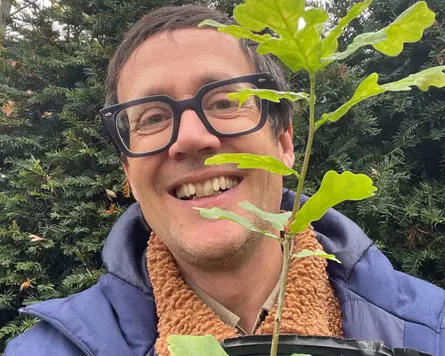
Over the past year, Norfolk Wildlife Trust volunteers have grown oak trees from local acorns. These seedlings will be planted at Wood Norton and at another new woodland being created next to Norfolk's largest ancient wood, just two miles away. One of those oaks could still be standing in a thousand years. It's a strange comfort in an anxious time—the idea that your small action today might outlive you by centuries, and that the land you tend might heal itself if you simply let it.
The first of the Wildlife Trusts marks its centenary this week. The next hundred years will be defined not by what we protect in isolation, but by how much of the ordinary landscape we can restore to wildness.