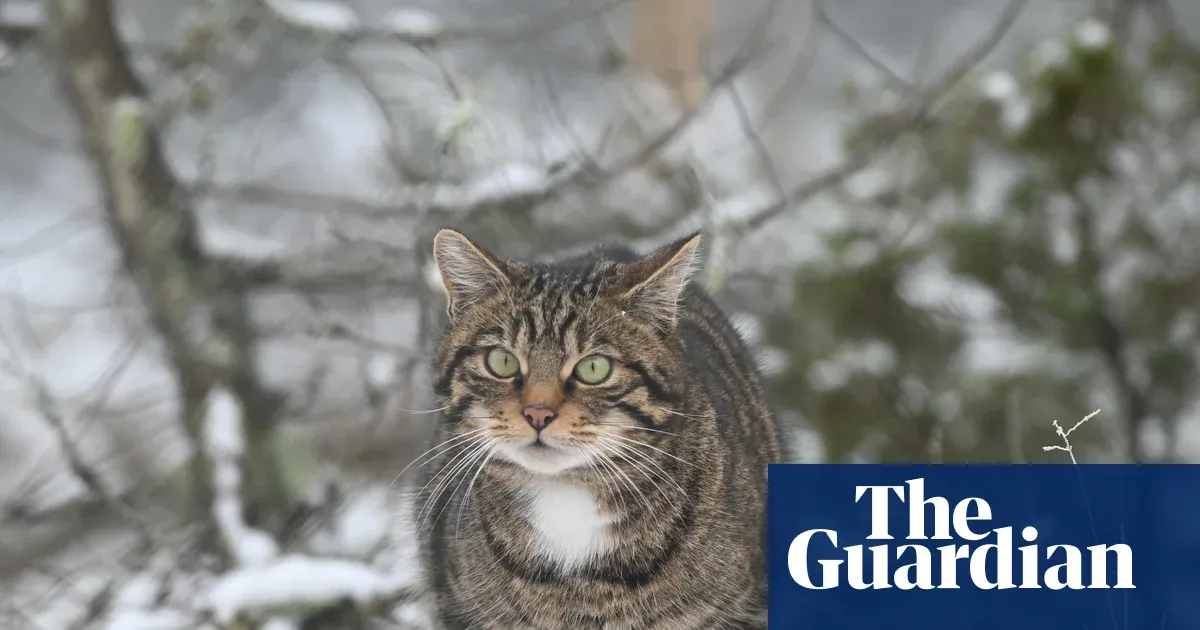
Snow tells stories. Overnight, the white surface becomes a ledger of nocturnal life—squirrel prints threading between ancient pines, badger paths crossing frozen fields, deer tracks vanishing into heather. But recently, Amanda Thomson spotted something rarer: the smaller fore paws and larger hind prints of a wildcat, a species that nearly vanished from Britain entirely.
Wildcats haven't roamed the Scottish Highlands in meaningful numbers for generations. By 2015, conservationists faced a hard truth: the wild population was collapsing, threatened by habitat loss, hybridization with feral domestic cats, and the simple fact that few people even knew they still existed. That's when the Saving Wildcats project launched, betting that captive breeding combined with careful release and monitoring could pull the species back from the edge.
The strategy is working. Forty-six wildcats have been released so far, and the survival rates are far higher than anyone anticipated. More importantly, kittens have been born in the wild—proof that these aren't just surviving, but reproducing. GPS collars track their movements across the Cairngorms, revealing how some cats stay local while others travel staggering distances. One individual was tracked crossing Ben Macdui, the UK's second highest mountain, journeying all the way from Speyside to Deeside.
We're a new kind of news feed.
Regular news is designed to drain you. We're a non-profit built to restore you. Every story we publish is scored for impact, progress, and hope.
Start Your News DetoxA Species Comes Back into Focus
Wildcats look nothing like the tabby on your sofa. They're stockier, with thick coats, pronounced tabby markings, and a distinctive tail—thick and blunt, ringed with black. The tail matters: in pure wildcats, a dark "spine" runs down the back and stops at the tail's base, a detail that distinguishes them from hybrids. Seeing one, as Thomson did last year, is arresting. "I can still remember the distinctive tail, the feeling of awe and excitement," she writes.
What's significant here isn't just that wildcats are surviving—it's that we're learning to coexist with them again. For decades, British conservation focused on charismatic megafauna abroad while overlooking what was vanishing at home. The wildcat project represents a shift: recognizing that restoring native species requires not just protected land, but active intervention, monitoring, and the willingness to invest in animals most people will never see.
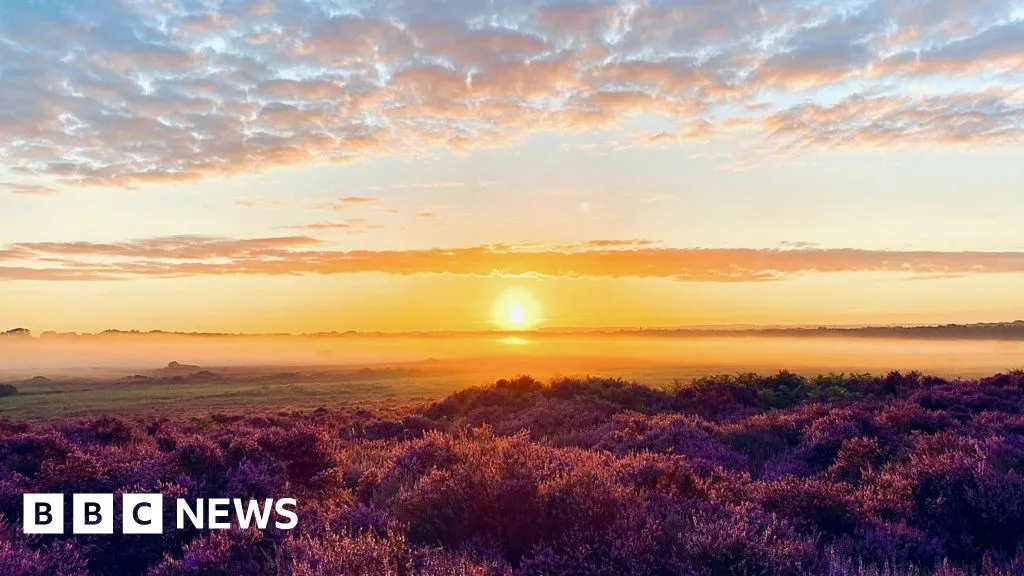
The Highlands are quietly accumulating these small victories. Capercaillie numbers ticked upward last year. Golden eagles are raising chicks. Wildcats are leaving tracks in the snow. None of these species will ever be common again—that world is gone. But the presence of them, the knowledge that they're here, that you might glimpse a print or hear a call, changes something about a place. It suggests that recovery, even at the margins, is possible.