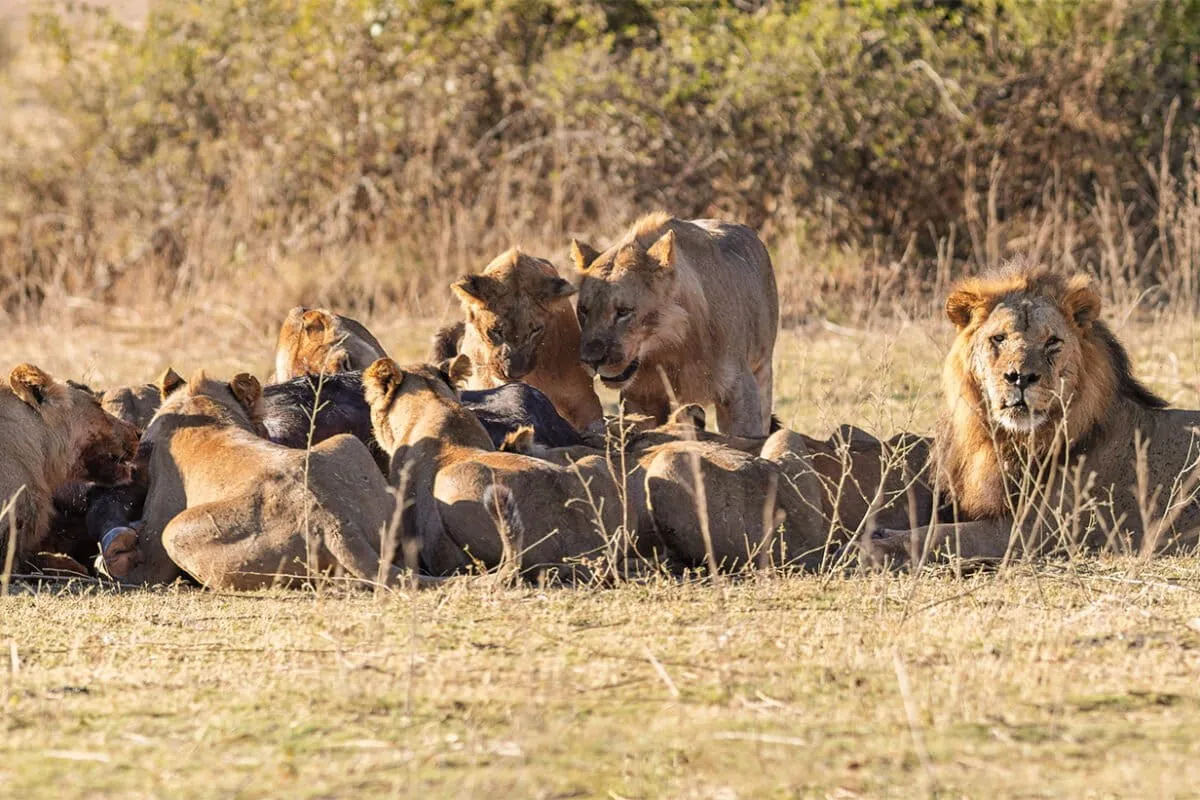
A male lion near Hwange National Park had been radio-collared and monitored by researchers for years. When poachers killed him in 2024, they thought they'd gotten away with it. They were wrong.
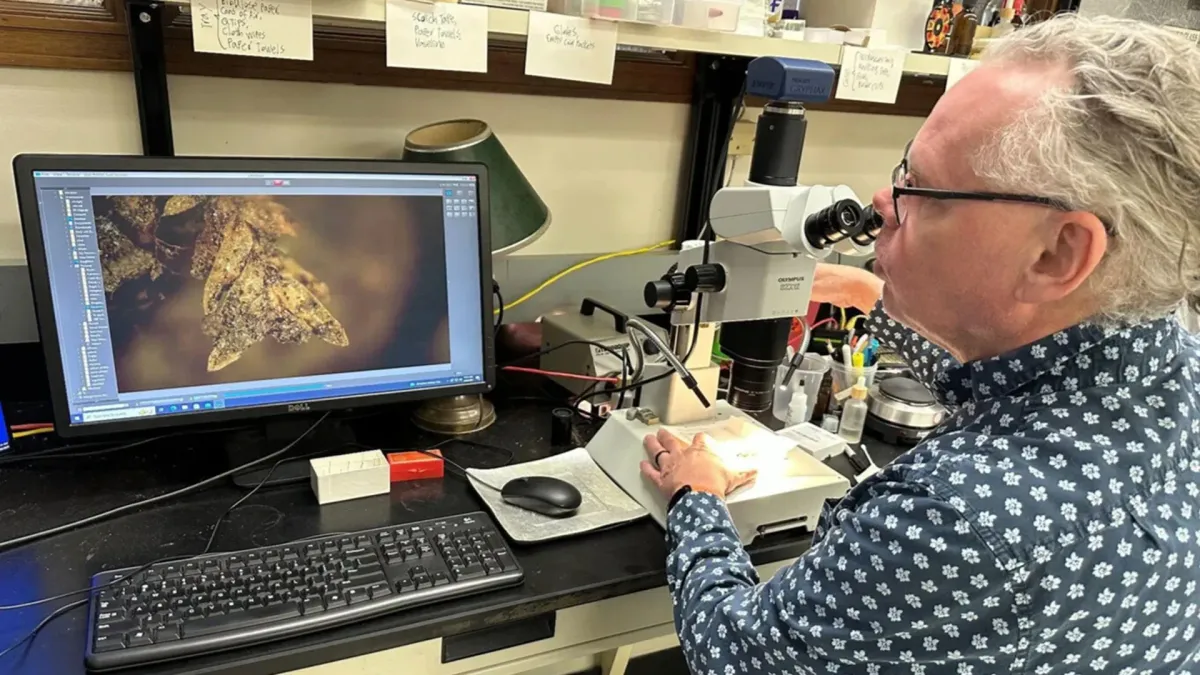
Forensic specialists matched DNA from seized lion parts—meat, claws, teeth destined for black markets—to the genetic profile taken from that same lion years earlier. Two people were convicted and sentenced to two years in prison. This wasn't just another poaching case. It was the world's first wildlife prosecution to use an individual animal's DNA as evidence, turning a dead lion into a witness that couldn't be silenced.
The case hinges on a distinction most people don't think about: captive-bred lions can be legally traded with permits. Wild lions cannot. For years, poachers have exploited this gap, selling wild animal parts as if they came from farms. Proving otherwise required matching the seized material to a specific animal—something that's only recently become possible.
We're a new kind of news feed.
Regular news is designed to drain you. We're a non-profit built to restore you. Every story we publish is scored for impact, progress, and hope.
Start Your News DetoxWhen researchers had fitted the lion with its radio collar years earlier, they'd collected blood samples and logged his genetic profile into a database. That foresight created an unbreakable chain of evidence. When the poachers were caught with the meat, claws, and teeth, investigators ran the DNA. The match was definitive.
What makes this case significant goes beyond the two convictions. It establishes a new tool for wildlife law enforcement at a moment when it's desperately needed. Poaching pressure on African lions has been intense—populations have dropped by roughly 40% over the past two decades. Most enforcement relies on catching poachers in the act or recovering fresh evidence. But DNA analysis works backward, turning seized products into evidence that points to specific animals and specific crimes, even months or years later.
The technology isn't new, but applying it this way in wildlife crime is. It requires researchers to be collecting genetic data on wild animals in the first place—which means funding long-term studies, maintaining databases, and training forensic specialists who understand wildlife biology. Zimbabwe's success here suggests other countries with similar research infrastructure could replicate the approach.
There's a practical ripple effect too. Poachers operate on risk calculations. If they believe seized parts can be traced back to them through DNA, the calculus changes. It won't stop poaching overnight, but it shifts the odds in favor of enforcement.
The next phase is scaling this. Wildlife agencies across Africa are watching. If DNA fingerprinting becomes standard practice in prosecuting poaching cases, it could reshape how wildlife crime is investigated—turning the biological signature of every animal into potential evidence against the people who kill them.