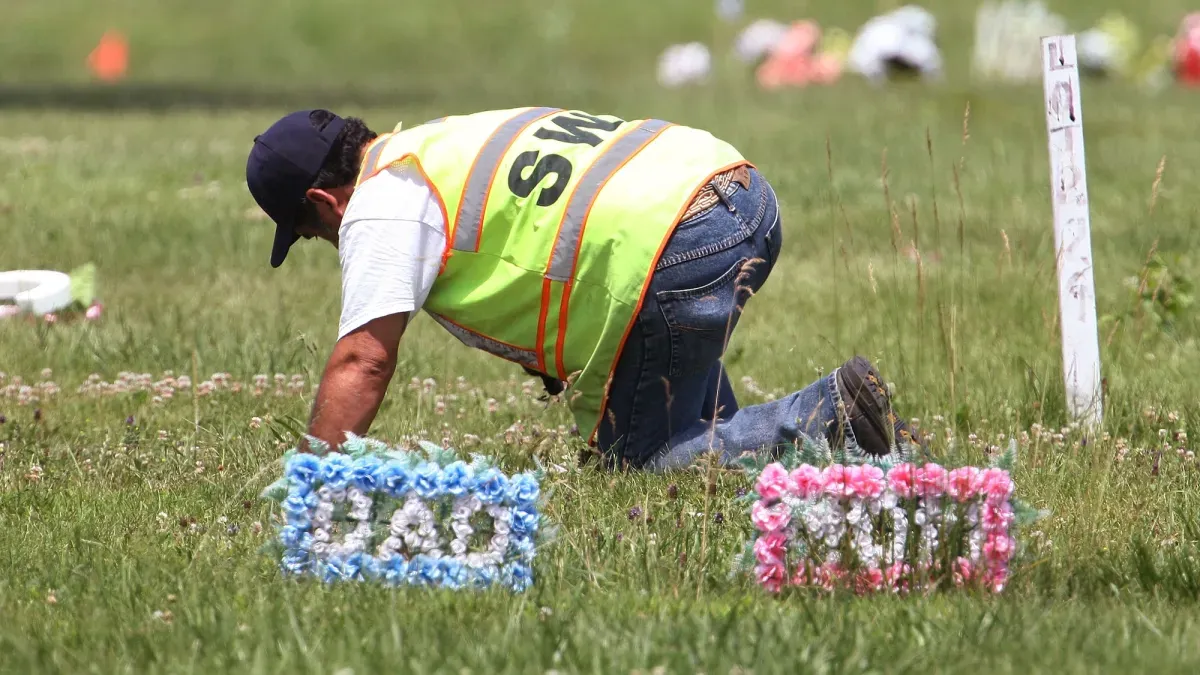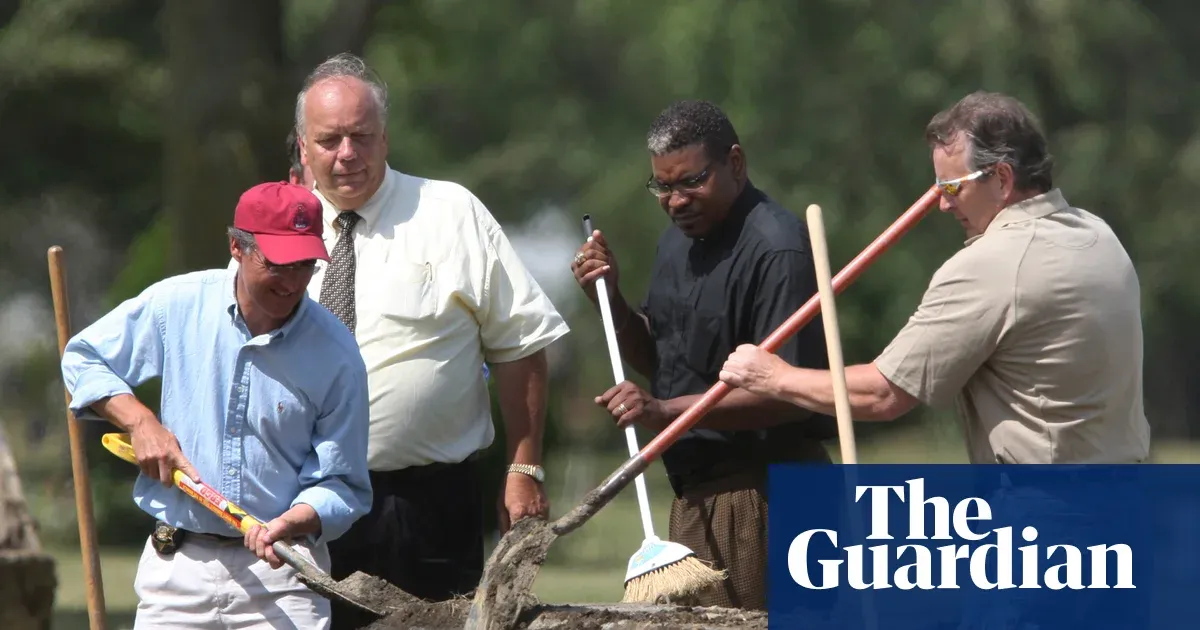
In 2009, investigators at Burr Oak Cemetery in Illinois uncovered one of the state's most brazen crimes: over 100 bodies had been exhumed and moved to make room for illegal resale of burial plots. The perpetrators had carefully covered their tracks, but they hadn't counted on eight inches of soil and a single clump of moss.
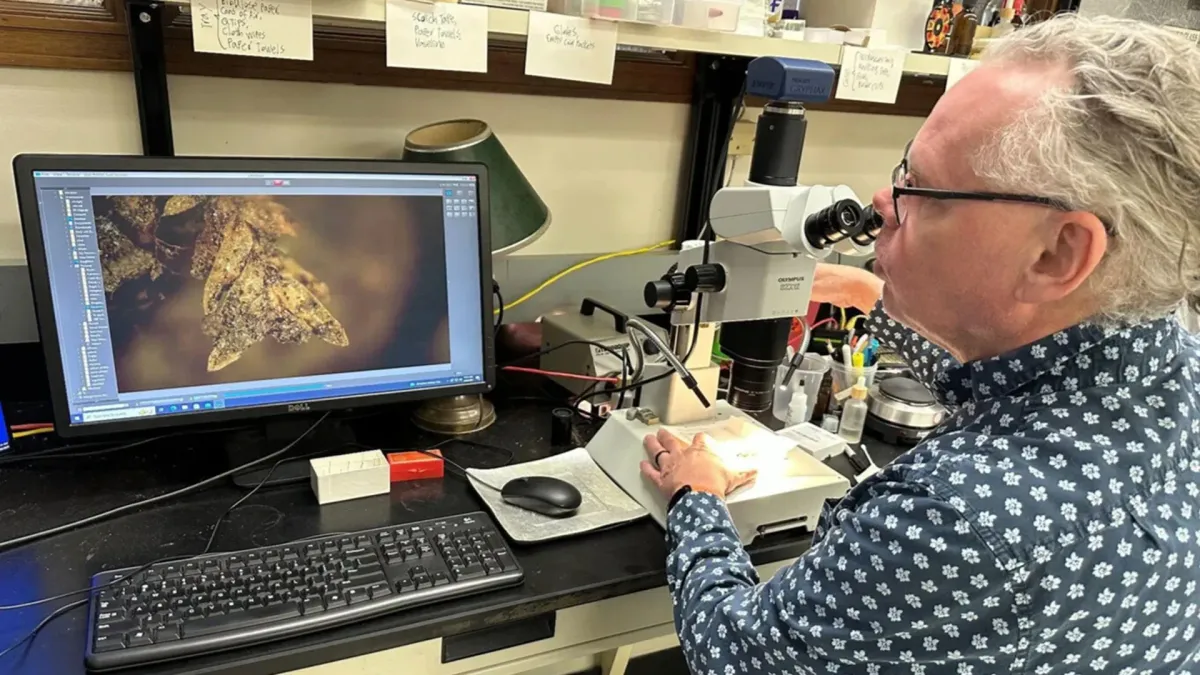
The breakthrough came when FBI agents brought a tiny green sample to Matt von Konrat, head of botany collections at the Field Museum in Chicago. What followed was a forensic detective story that proved, in von Konrat's now-famous phrase, that "people lie, but moss does not."
How a Plant Became Forensic Evidence
Von Konrat identified the moss as Fissidens taxifolius, commonly called pocket moss. The critical discovery wasn't just what it was—it was where it came from. The moss didn't naturally grow near the graves' new locations. Instead, a large patch existed in the original burial area, suggesting the moss had traveled with the bodies.
We're a new kind of news feed.
Regular news is designed to drain you. We're a non-profit built to restore you. Every story we publish is scored for impact, progress, and hope.
Start Your News DetoxBut identifying the moss's origin was only half the puzzle. The defendants claimed the graves had been disturbed years before they worked at the cemetery, a timeline that would have cleared them. Von Konrat had another tool: the moss's own metabolism.
Unlike human remains, which decompose on a predictable schedule, moss exists in a strange biological state. Even when it appears dead, it can maintain an active metabolism. By measuring the chlorophyll content and metabolic deterioration of the sample—similar to how radiocarbon dating works for fossils—researchers could determine the moss was only one or two years old at the time of discovery. The plant and the bodies had moved during the defendants' tenure, not before.
What This Means Beyond One Cemetery
The case led to convictions for the cemetery's former manager and three gravediggers, but its real significance runs deeper. Forensic botany typically focuses on flowering plants—seeds, pollen, distinctive leaves. Mosses, by contrast, are often overlooked in crime investigations despite offering a unique advantage: they're resilient, slow to decompose, and leave a clear metabolic record. They're also nearly universal, growing in cemeteries, gardens, and crime scenes across the globe.
Von Konrat has spent years advocating for mosses to receive more attention in forensic science. Their lack of flowers and seeds makes them seem less dramatic than other botanical evidence, but that very simplicity makes them reliable witnesses. A moss sample can't be confused with something else. It won't be misidentified. It carries information about timing and location that juries can understand without requiring a botanist to explain complex plant genetics.
The original moss sample now sits in a permanent exhibit at the Field Museum, a quiet reminder that the smallest evidence sometimes tells the biggest truths. As forensic science evolves and investigators look for new ways to solve cold cases and establish timelines, the field of forensic bryology—the study of mosses in crime investigation—is finally getting the attention it deserves.