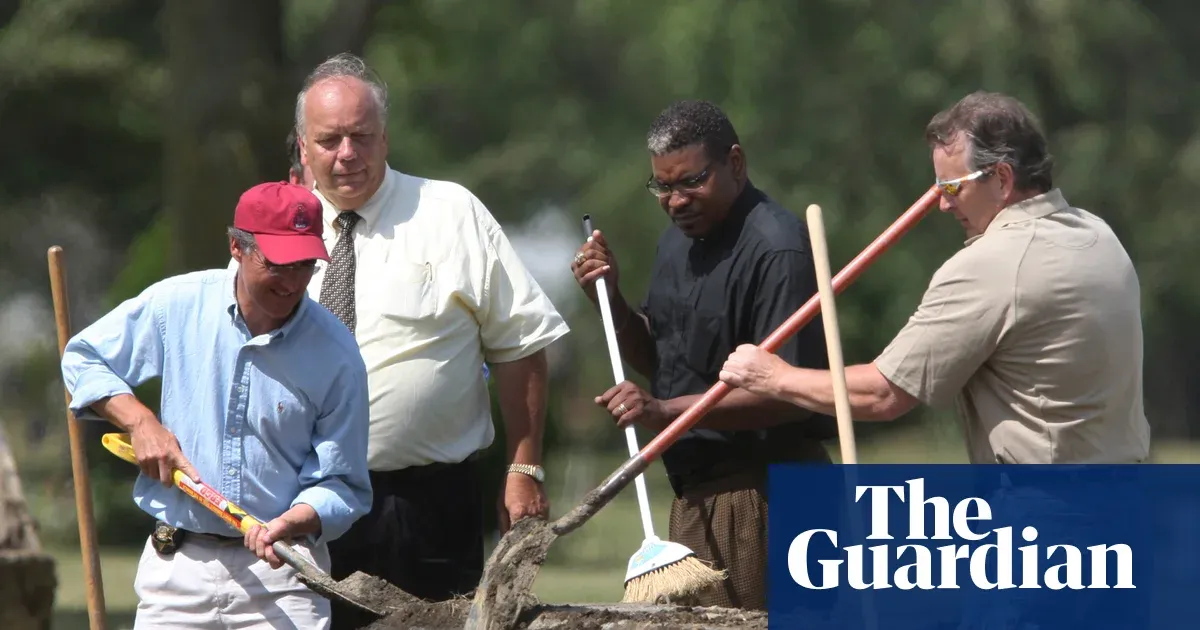
Four cemetery workers in Illinois dug up more than 100 bodies and sold the burial plots. Nearly two decades later, a fingertip-sized clump of moss became the forensic evidence that sealed their conviction.
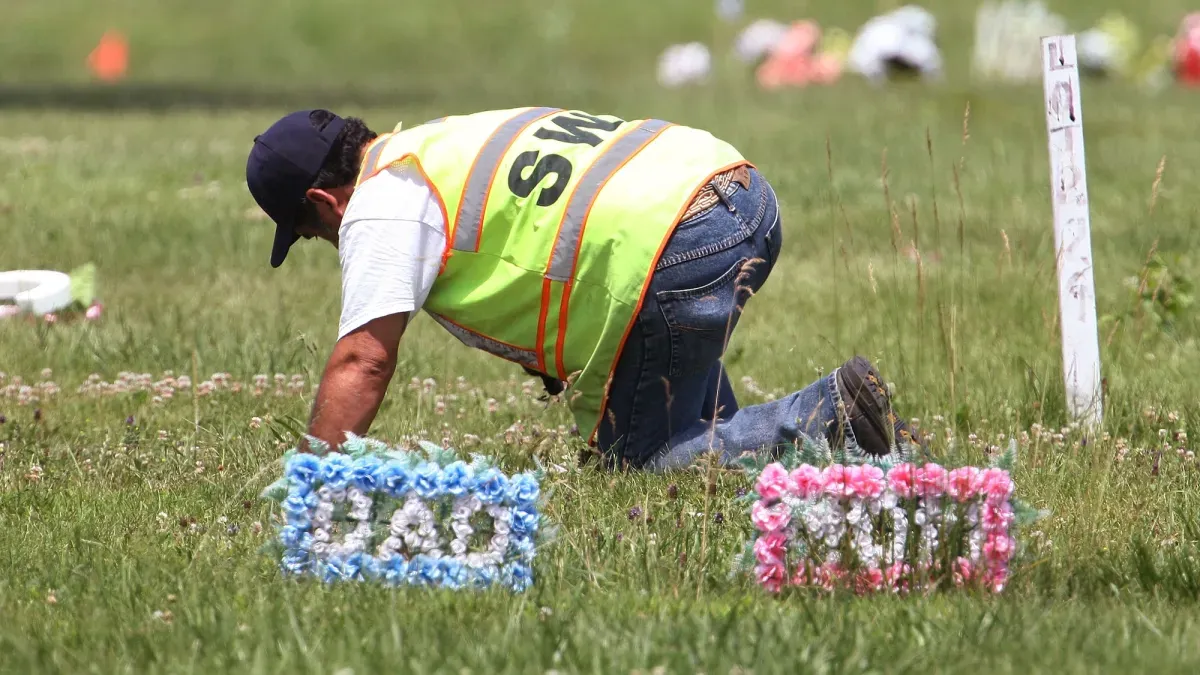
It started with a phone call to Dr. Matt von Konrat at the Field Museum in Chicago. The FBI wanted to know: could he identify a piece of moss found beneath re-buried remains at Burr Oak cemetery in Alsip, near Chicago. The crime itself was straightforward in its cruelty. Workers had exhumed bodies from a cemetery of enormous historical weight—Emmett Till is buried there, as is blues singer Dinah Washington—and dumped them elsewhere on the grounds to resell the plots for profit. But proving when the desecration happened was another matter entirely.
Under the microscope, von Konrat identified the moss as Fissidens taxifolius, common pocket moss. A survey of the cemetery showed it didn't grow where the bodies were discovered, but thrived in a shaded area beneath trees—precisely where police suspected the original graves had been opened. The moss had traveled with the bodies, a silent witness to their movement.
We're a new kind of news feed.
Regular news is designed to drain you. We're a non-profit built to restore you. Every story we publish is scored for impact, progress, and hope.
Start Your News DetoxThe Biology of Timing
What made the moss truly valuable wasn't just its location. It was what moss does when it dies—which is nothing, at least not quickly. "When we're dead, we're dead," von Konrat explained to his colleagues. "But with mosses, it's bizarre. Even when we might think they're dead, they can still have an active metabolism." That metabolism declines gradually as cells shut down over time.
The scientists bathed the recovered moss in light and measured how much chlorophyll absorbed it versus how much was re-emitted. They compared the specimen with fresh moss from the cemetery and dried samples from the museum's collection. The results were precise: the moss had been buried for less than 12 months.
This timing became crucial in the courtroom. The accused had built their defense on a simple claim: the crime happened years earlier, before they even worked at the cemetery. The moss contradicted them entirely. It placed the disturbance squarely within their employment window.
The conviction hinged partly on this botanical evidence. A former FBI agent who worked the case called the plant material "key" to securing convictions when the case went to trial. The findings were later published in Forensic Sciences Research.
What's striking here is how the case reveals a gap in forensic practice. Moss—a organism most people barely notice—has properties that can pinpoint timing in ways that traditional evidence cannot. Von Konrat had never expected to apply his botanical expertise to criminal investigation. He's now advocating for natural history collections to be recognized as forensic resources. "We never know how we might apply them in the future," he said. As criminal investigation evolves, the smallest evidence—a fragment invisible to the naked eye—may prove to be the most telling.