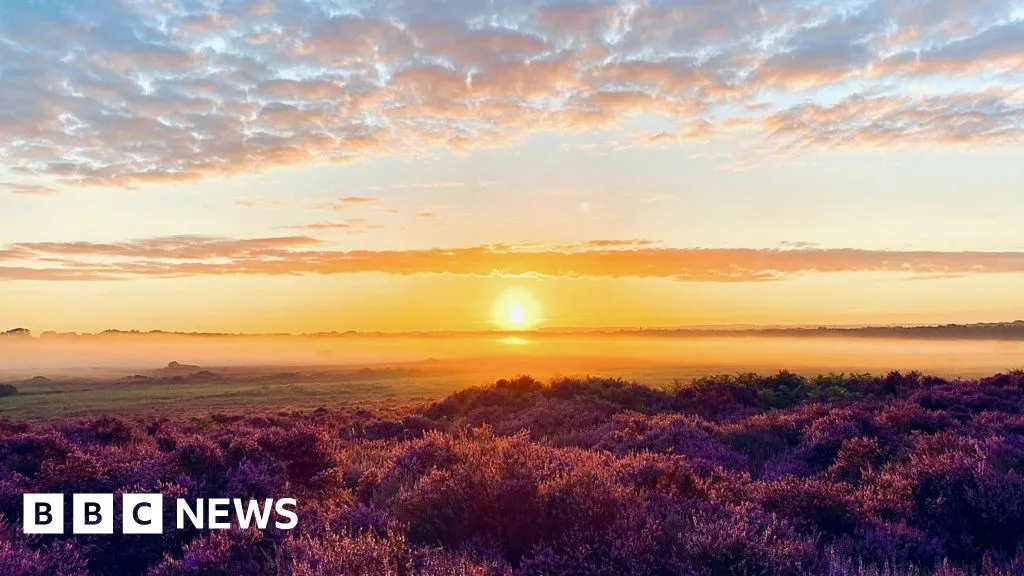
A hundred years ago, a doctor in Norfolk made a quiet decision that would reshape how Britain protects nature. Dr Sydney Long bought 435 acres of marshland at Cley next the Sea in 1926 and declared it "a bird-breeding sanctuary for all time." That single purchase became the Norfolk Wildlife Trust — and the blueprint for the entire network of county wildlife trusts that now spans the UK.
This weekend, NWT is throwing open its gates free for three days to mark the centenary. More than 100,000 people visit Cley Marshes alone each year now, walking the same paths where Long first saw the potential in waterlogged land that others might have overlooked.
What a Century of Patience Looks Like
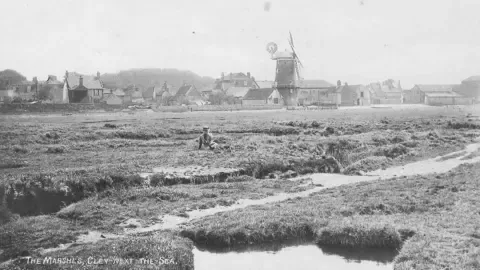
The real story here isn't just nostalgia. NWT's work has brought back species that were nearly gone from Norfolk — cranes and bitterns that hadn't nested there in decades, purple emperor butterflies, natterjack toads that sound like dial-up internet if you're lucky enough to hear them. Some of the trust's protected sites have existed for 6,000 years, making them older than Stonehenge. They're not museum pieces; they're living ecosystems that required deliberate, sustained effort to recover.
We're a new kind of news feed.
Regular news is designed to drain you. We're a non-profit built to restore you. Every story we publish is scored for impact, progress, and hope.
Start Your News DetoxWhat's striking is the scale of patience this represents. You don't restore a landscape in a decade. You do it across generations, through seasons of setback and small victories, by maintaining the same commitment Long made a century ago. The fact that this works — that species return, that habitats heal — is easy to miss when we're drowning in climate news. But it's the most concrete proof we have that conservation isn't just possible; it actually works when given time and protection.
Chief executive Eliot Lyne put it plainly: "Following 100 years of wildlife conservation in Norfolk, we have achieved so much — and honed the skills and experience to secure a wilder, healthier and more prosperous Norfolk into the next century. However, Norfolk's nature still faces huge threats. That's why we are raising our ambitions and looking forward to the next century with hope."
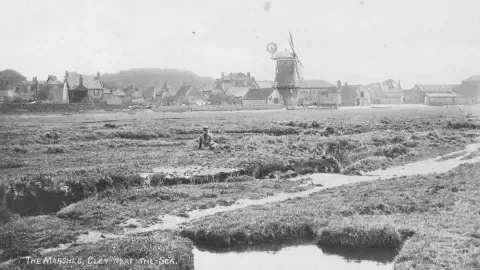
That's not blind optimism. It's the confidence of people who've watched a marsh come back to life.
The centenary lands in the same year David Attenborough turns 100 — a coincidence that feels almost written. In a message to NWT, he offered his congratulations. Two centuries of witnessing nature, in different ways, arriving at the same moment.
The free weekend is a chance to see what a century of conviction looks like on the ground. And maybe to understand that the biggest conservation victories don't come from grand gestures — they come from one person buying a marsh and refusing to let it go.