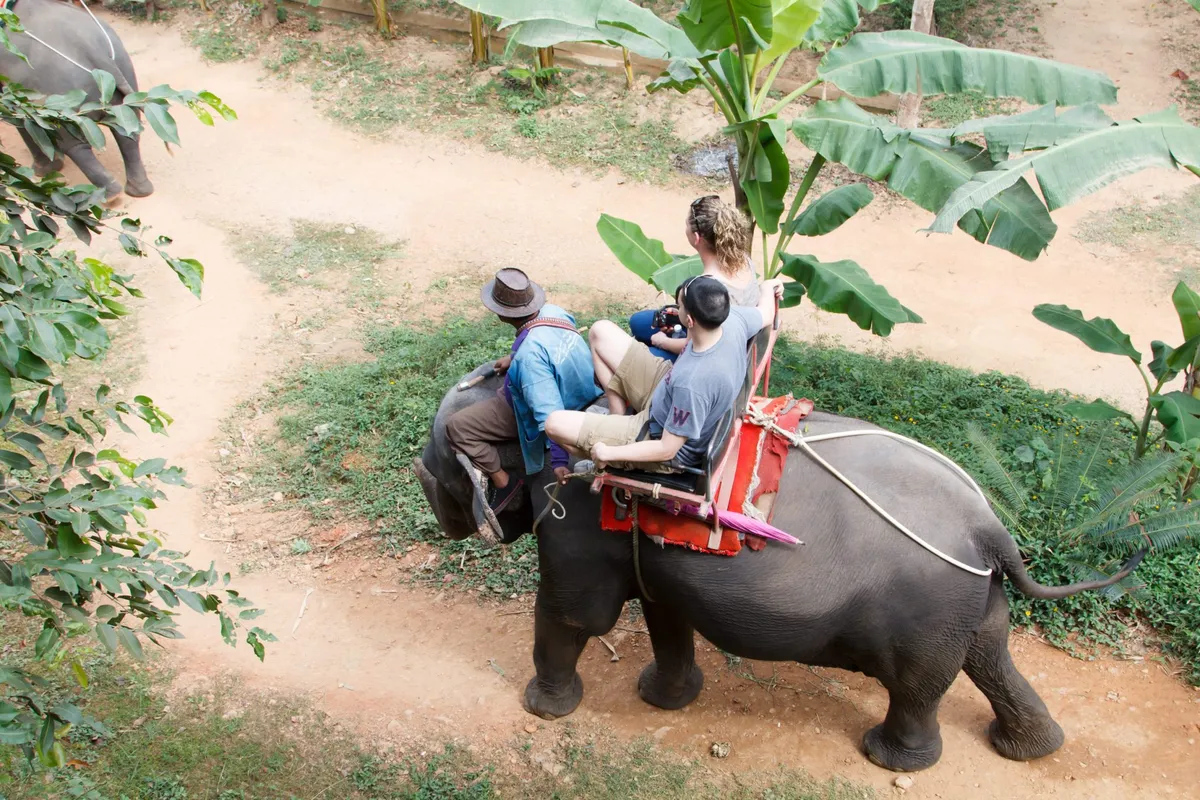
Indonesia has officially ended elephant rides across zoos and conservation centers nationwide—a decision that closes a chapter on one of tourism's most harmful wildlife practices. The Ministry of Forestry's directive, announced late last year, carries real teeth: facilities that don't comply risk losing their operating permits. Bali's Mason Elephant Park, one of the last holdouts, stopped offering rides by late January.
For animal welfare advocates who spent years pushing for this, the win feels both overdue and significant. "This wonderful win for elephants comes after years of tireless advocacy," said Suzanne Milthorpe, head of campaigns for World Animal Protection ANZ. What makes this moment matter beyond Indonesia is what it signals: the tourism industry is finally listening to what science has been saying for decades.
Why This Actually Matters
Elephants aren't just large animals that happen to be popular with tourists. A 2001 study found they can craft and use tools and possess a cerebral cortex for cognitive processing that exceeds any primate species. More recent research from 2024 suggests they invent and use individualized vocalizations—essentially names—for one another. They're emotionally complex, highly social creatures that roam vast distances in the wild, with social bonds and memory that rival our own.
We're a new kind of news feed.
Regular news is designed to drain you. We're a non-profit built to restore you. Every story we publish is scored for impact, progress, and hope.
Start Your News DetoxYet captive elephants used in tourism are routinely subjected to harsh training methods designed purely to make them compliant around humans. The process is painful. Elephants aren't physically built to carry heavy loads on their backs—repeated strain from riders causes chronic pain, sores, open wounds, vertebral damage, and muscle degeneration. Beyond the physical damage, animal welfare experts describe deep psychological trauma from the restriction of natural behaviors.
Chris Lewis, captivity research and policy manager at Born Free, frames it plainly: "Indonesia's decision reflects growing public awareness that animal welfare matters, with many tourists seeking to engage in ethical wildlife tourism."
The Bigger Picture
Indonesia's ban arrives at a moment when travelers themselves are shifting. As more people learn how animals are trained and treated behind the scenes, demand has grown for experiences that prioritize conservation over entertainment. This isn't just activism—it's a market signal that regulators can't ignore.
The pivot toward observation-based tourism (where visitors watch animals behaving naturally rather than riding or directly handling them) proves the economics work. Facilities can generate income while minimizing stress and harm. It's a model that works for conservation, for animals, and for the bottom line.
What happens next depends on enforcement. Clear rules and oversight will determine whether the policy translates into actual improved conditions on the ground. Advocacy groups have been explicit about this: the ban is only as good as its implementation.
But the signal is unmistakable. Wildlife tourism can evolve. It doesn't have to exploit to survive. For elephants—creatures with names, memories, and emotional lives as complex as our own—Indonesia's decision represents a step toward something closer to dignity.