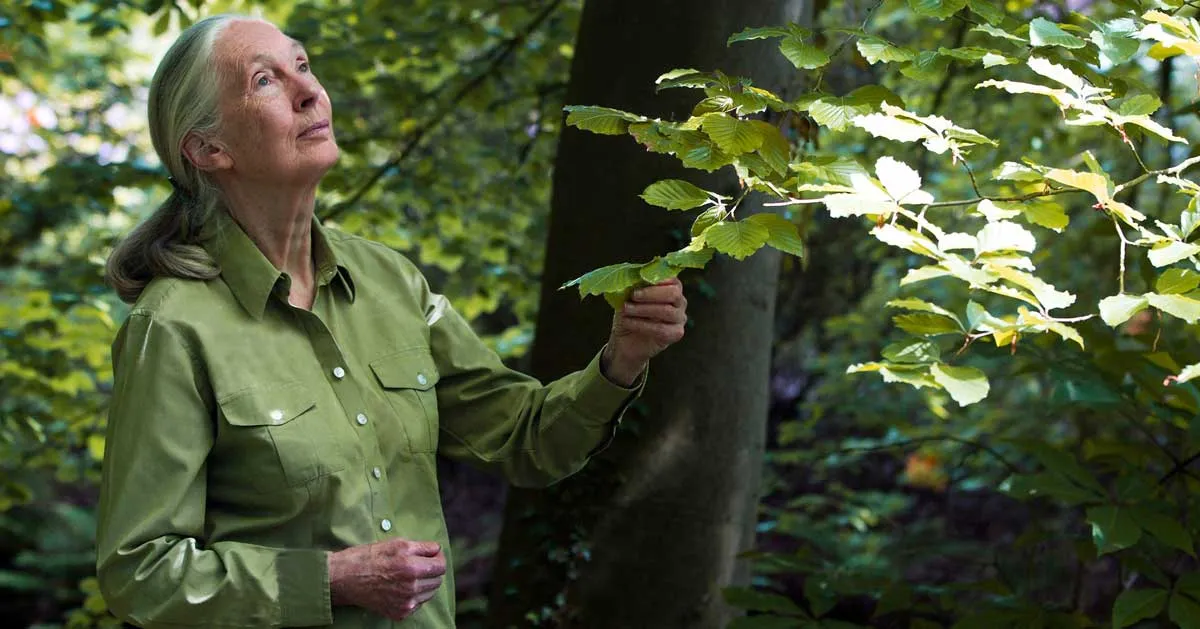
Dr. Jane Goodall died in October 2025 at 91, leaving behind five decades of work that fundamentally changed how we understand conservation. Now her birthday—April 3—has been officially declared Jane Goodall Day, but the Jane Goodall Institute made a deliberate choice about what this holiday would actually mean.
It's not a day to reflect quietly on her legacy. It's a day to act on it.
"April 3 is Jane's birthday. And this year, we are officially marking April 3 as Jane Goodall Day," the Institute announced. "This first annual day of action will celebrate how Jane's ideas live on through the people, communities, and work advancing her vision."
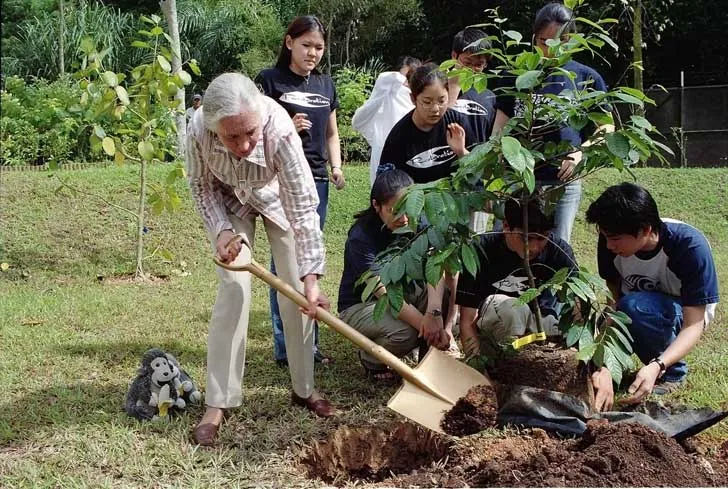
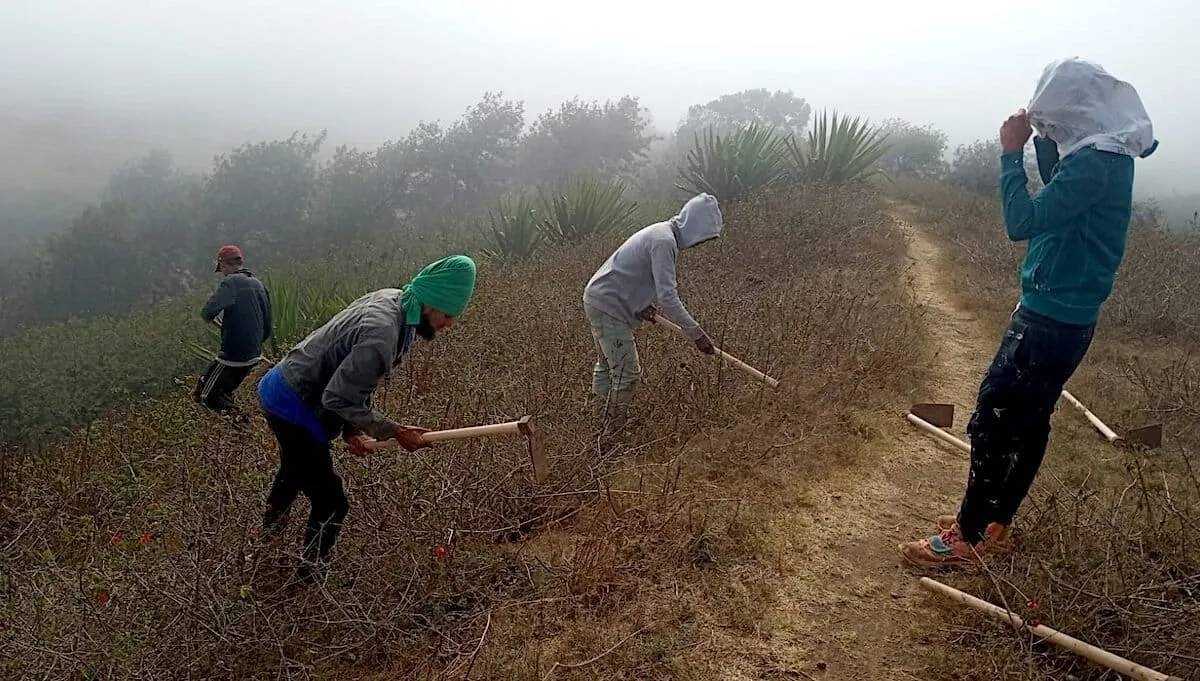
That distinction matters. Goodall spent her final decades insisting that reverence without action was pointless. She didn't want memorials; she wanted movements. So the Institute is asking people to use April 3 as a concrete opportunity to do something—plant trees, clean up local spaces, support the Roots & Shoots youth initiative she founded, or join conservation work in their own communities.
We're a new kind of news feed.
Regular news is designed to drain you. We're a non-profit built to restore you. Every story we publish is scored for impact, progress, and hope.
Start Your News DetoxWhat Made Her Different
Goodall didn't start out as a conservationist icon. She began in the 1960s as a young researcher in Tanzania, living among chimpanzees and documenting their behavior in ways that contradicted everything scientists thought they knew. She proved they had personalities, used tools, formed relationships, experienced grief. She made them undeniably real to the world—and in doing so, she made conservation impossible to ignore.
But her real revolution came later. Instead of staying in the field, she became a global advocate, traveling relentlessly to argue that protecting wildlife meant protecting the communities living alongside it. She rejected the idea that conservation required keeping people out. She understood that the future of forests and animals depended on the people who actually lived there having reasons to protect them.
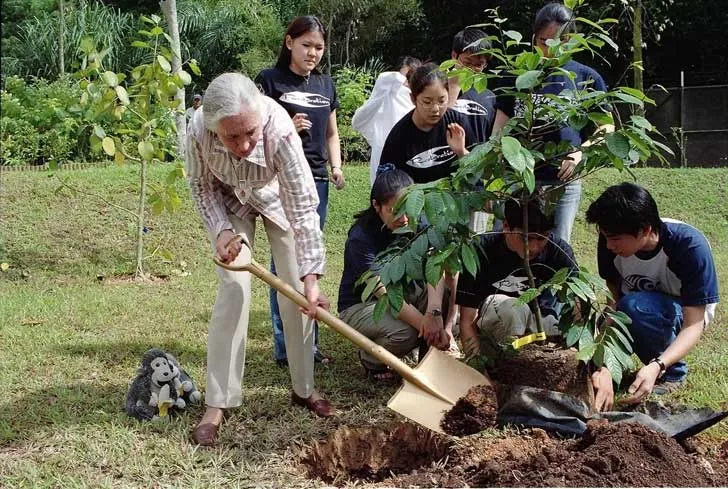
Roots & Shoots, launched in 1991, embodied this philosophy. The program started with a handful of teenagers in Tanzania and grew into a youth-led network operating in over 100 countries. Young people identified problems in their own communities—deforestation, pollution, animal welfare—and designed their own solutions. Goodall believed young people weren't the future of conservation; they were the present.
Making April 3 an official day of action extends that logic. The Institute created an interactive digital experience for people to engage with Goodall's work and the global network of changemakers who've carried it forward. This isn't about nostalgia. It's about recognizing that the responsibility for protecting the natural world has always belonged to all of us, not just one remarkable woman.
The first Jane Goodall Day arrives in 2026, months after her death. What she'd likely appreciate most is not that we remember her, but that we get to work.