The San Francisco Bay Area is famed for its culinary scene, but apparently, someone forgot to tell the fish. For decades, the local aquatic residents have been facing a rather dire dining situation, with food options dwindling faster than a tech startup's funding.
Enter the unlikely heroes: the managed wetlands of Suisun Marsh. A new study from UC Davis just dropped the bombshell that these human-made watery havens are basically the Michelin-starred restaurants the fish desperately needed.
The All-You-Can-Eat Zooplankton Buffet
Published in Estuaries and Coasts, the study revealed that these managed wetlands are zooplankton factories, churning out 11 to 22 times more of the tiny, drifting critters than natural tidal habitats. If you're not up on your aquatic cuisine, zooplankton are the essential, bite-sized snacks for a happy fish population.
We're a new kind of news feed.
Regular news is designed to drain you. We're a non-profit built to restore you. Every story we publish is scored for impact, progress, and hope.
Start Your News DetoxKyle Phillips, the lead author and a postdoctoral scholar at the UC Davis Center for Watershed Sciences, explained that plankton have been in a steady decline in the estuary. His team, however, found the secret sauce: controlled floods in these wetlands lead to a significant, almost absurd, increase in zooplankton. It's like flipping a switch on a plankton production line.
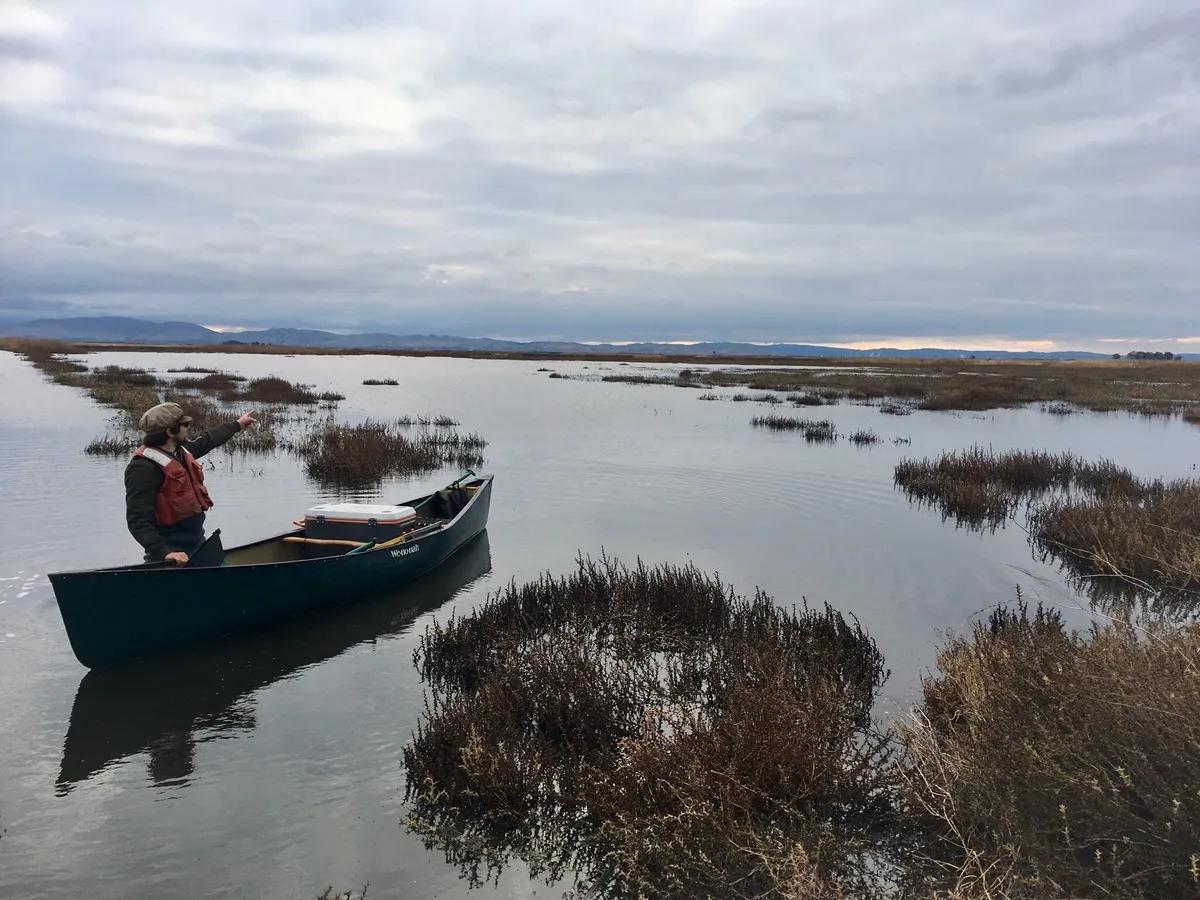
Most of these managed wetlands are shallow ponds, rigged with dikes and culverts to control water flow. They were largely built in the early 1900s by duck clubs, primarily to support migratory waterfowl and, you know, hunting. Now, they're unexpectedly feeding the entire ecosystem. Suisun Marsh alone boasts a whopping 52,000 acres of these accidental fish feeders.
Dialing Up the DoorDash for Fish
For four years, from 2018 to 2022, researchers got up close and personal with zooplankton from six managed wetlands and eight tidal waterbodies. They compared notes, counted critters, and figured out when these tiny food factories were running at peak performance.
Turns out, winter is prime plankton season, while summer is a bit of a drought. But even then, the managed wetlands were still crushing it, averaging 22 times more zooplankton than their tidal counterparts across all seasons. Let that satisfying number sink in.
The big idea now? Connect these managed wetlands to tidal habitats. If managers can time seasonal flood releases just right, they could send a literal pulse of plankton into the waterways. Think of it as a DoorDash delivery service for the fish, sending a fresh, nutrient-rich meal straight to their fins.
Phillips and co-author John Durand are already planning a follow-up this summer. They'll be working with land managers and natural resource agencies, trying to figure out how to get more of that delicious zooplankton from the wetlands into the sloughs, where the fish can easily slurp them up.
Durand, a senior researcher, pointed out that the duck clubs have preserved Suisun Marsh for 150 years, making it a beautiful and diverse hotspot for wildlife. Who knew that a century of duck hunting grounds would become the unexpected salvation for the Bay Area's fish food crisis? Now that's a legacy.