Mangroves are moving. Along the Atlantic coast of North America, these salt-tolerant trees are creeping into territory that salt marshes have held for centuries. Warmer winters and hurricane-driven seed dispersal are opening the door, and by 2100, mangroves could reach South Carolina—a shift that reshapes how these coastlines store carbon, shelter wildlife, and hold back storms.
It's a vivid example of climate change rewriting ecosystems in real time. But the story is more nuanced than "invasion." This expansion is driven by measurable, predictable forces—and understanding them matters for how we manage these coasts.
Why Mangroves Are Moving North
For decades, mangroves stayed put at their northern limit, mostly in Florida. But rising winter temperatures have opened a climate corridor. Researchers used species distribution models across four climate scenarios to map where mangroves could thrive by 2100. The results are clear: warmer winters are the primary driver. The stronger the warming scenario, the further north mangroves can survive.
We're a new kind of news feed.
Regular news is designed to drain you. We're a non-profit built to restore you. Every story we publish is scored for impact, progress, and hope.
Start Your News DetoxThat's half the equation. The other half is getting there.
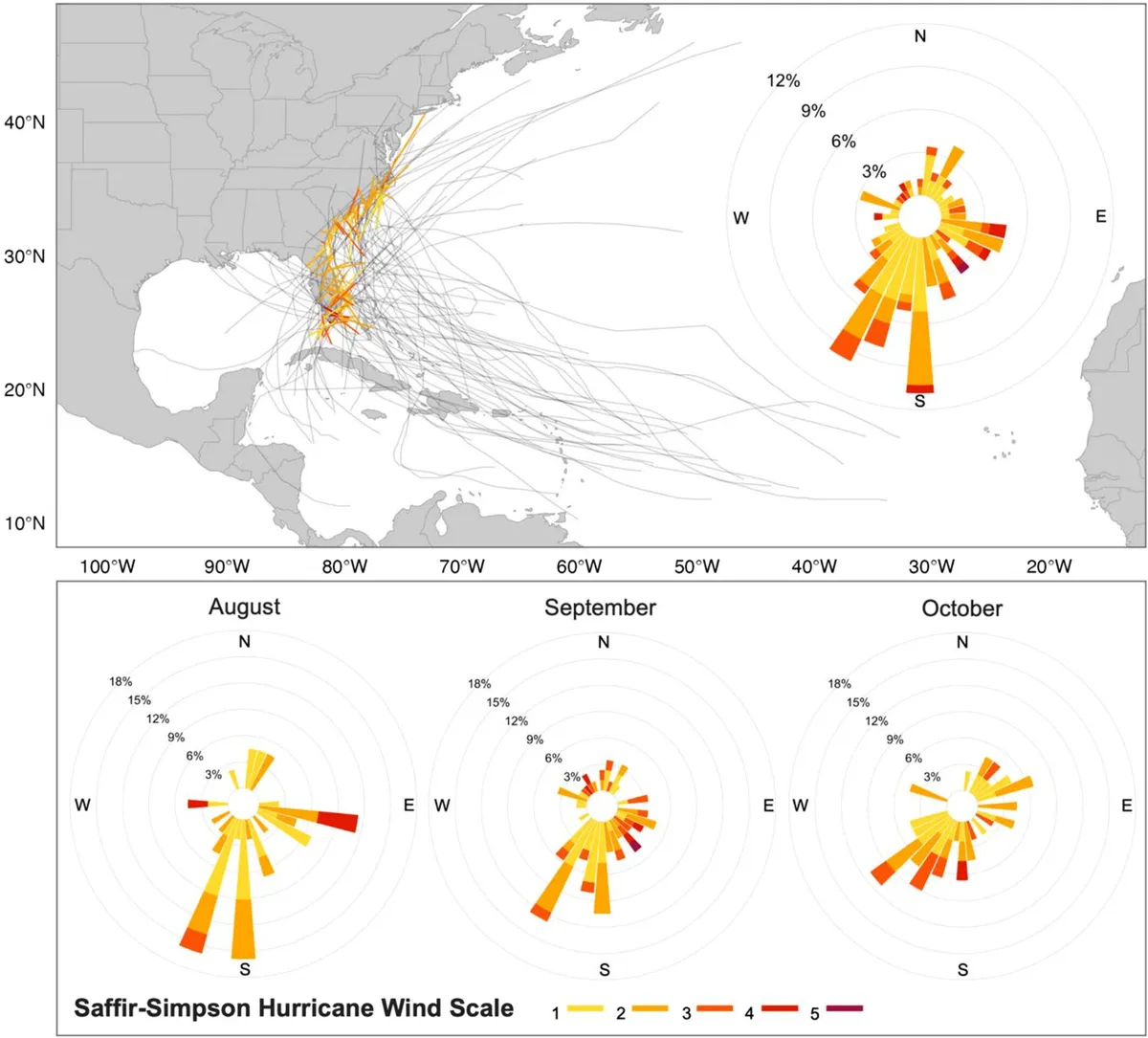
Mangroves don't walk. They disperse as floating propagules—seedlings that drift on ocean currents. For mangroves to expand northward, these propagules need to travel hundreds of miles along the coast and actually land in suitable habitat. Researchers ran high-resolution ocean current simulations to test whether this was plausible. The answer: yes. Currents flowing from both existing northern populations and southern mangrove forests can carry propagules to newly suitable areas, suggesting dispersal won't be the limiting factor.
Then come hurricanes. Mangrove seeds mature during hurricane season—a biological coincidence that becomes a feature. Storms act as high-energy vectors, supercharging propagule transport along the coast at exactly the moment when seeds are ready to travel. Historical storm data shows this timing alignment is real.
What This Actually Means
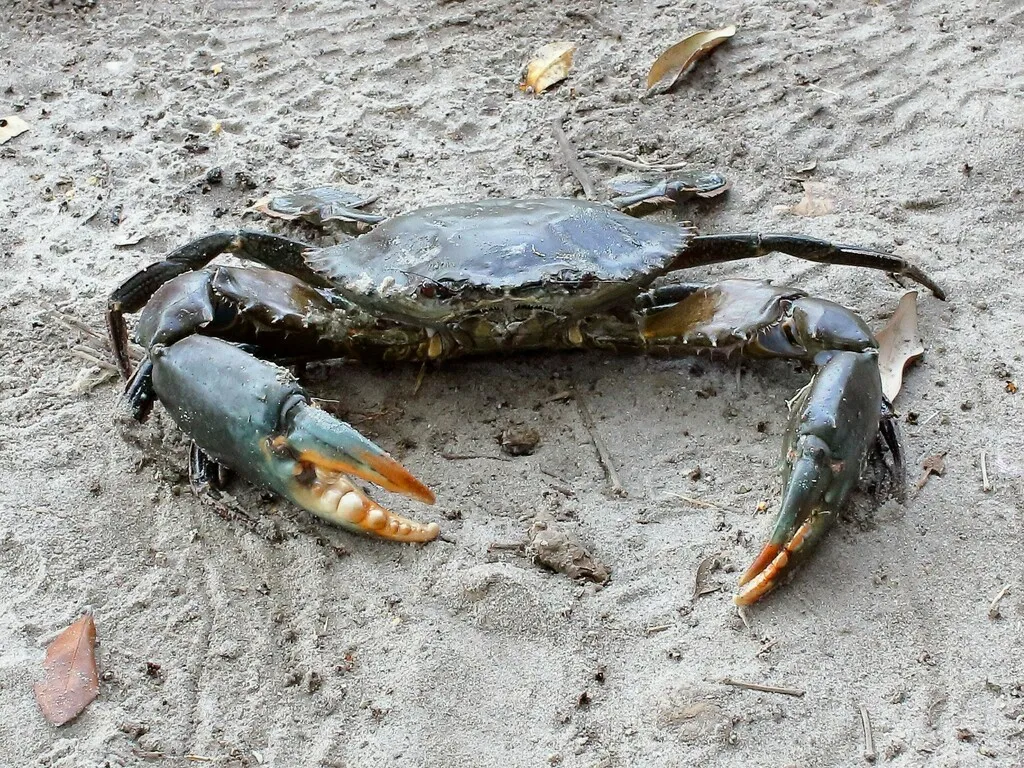
Mangroves moving north isn't inherently bad. These trees are carbon-storage powerhouses and provide crucial nursery habitat for fish and crustaceans. They also buffer storms better than salt marshes in some conditions. But the transition matters. Salt marshes have their own ecological roles—different plants, different animals, different carbon dynamics. Rapid ecosystem turnover can leave some species stranded.
The research gives coastal managers something concrete to work with: a framework for predicting where mangroves will arrive and when. That means time to plan—to protect salt marsh refuges where they're most valuable, to prepare for new mangrove habitats, to think about what a hybrid coast might look like.
By 2100, the Atlantic coast will look different. The question now is whether we'll shape that transition or just watch it happen.