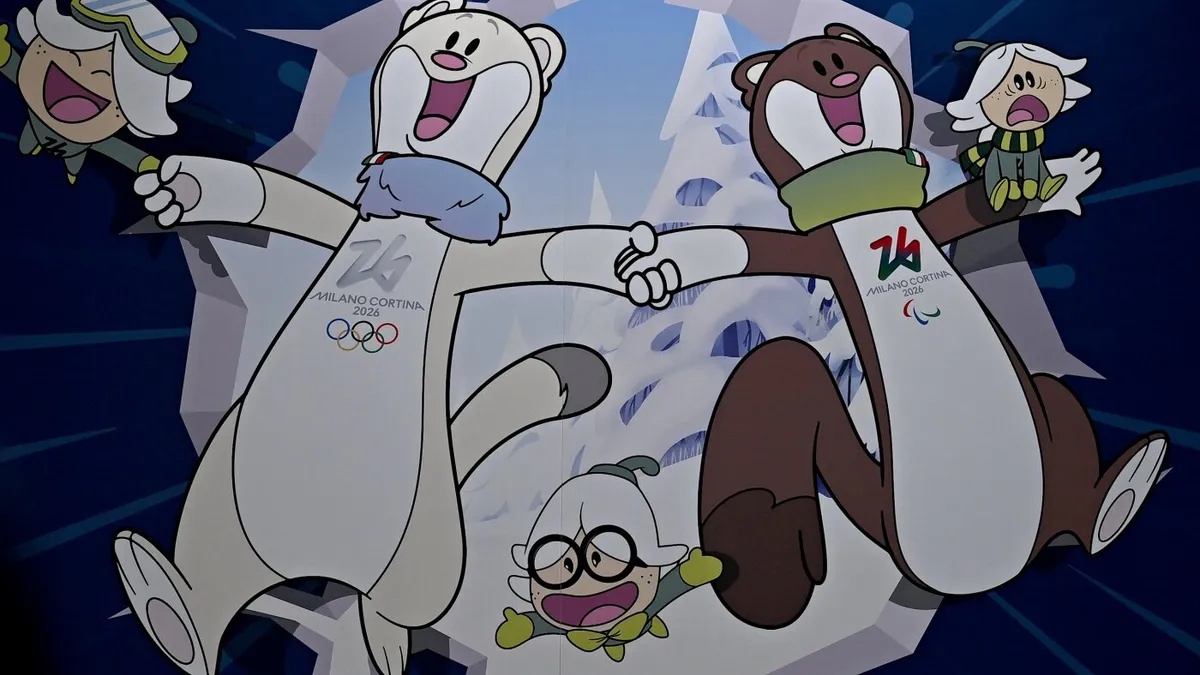
The 2026 Winter Olympics in Milan and Cortina d'Ampezzo will be welcomed by Milo and Tina, a pair of scarf-wearing stoats—short-haired weasels that organizers are calling the "first openly Gen Z mascots." They're not just cute; they're deliberately designed to feel like characters your younger sibling might actually relate to.
Tina is cream-colored with a brown-tipped tail. She's the city dweller, the one who goes to shows and concerts, described as creative and down-to-earth, drawn to beauty and transformation. Milo is brown with a white belly, living in the mountains, the practical joker who invents musical instruments and frolics in snow. There's one detail that matters: Milo was born without a paw and learned to walk using his tail—a deliberate nod to resilience that the Paralympics mascot carries.
Why stoats, specifically
The choice wasn't random. Over 1,600 Italian schoolchildren submitted mascot ideas, and the public voted between two finalists: a pair of flowers (edelweiss and snowdrop) or these stoat siblings. The stoats won because they embody the Italian Alps—they change fur color with seasons, thrive in harsh mountain terrain, and move with the kind of agility and speed that feels genuinely Olympic. There's also a historical thread: stoats, also called ermines, were once symbols of nobility in Europe, their black-tipped tails adorning royal robes.
We're a new kind of news feed.
Regular news is designed to drain you. We're a non-profit built to restore you. Every story we publish is scored for impact, progress, and hope.
Start Your News DetoxWhat makes them feel "Gen Z" isn't just their personalities—it's how they were created. Rather than some corporate design firm deciding what young people should care about, actual Italian kids imagined these characters. The mascots have backstories, quirks, and flaws (Milo's missing paw) that feel lived-in rather than market-tested.
The Games run February 6–22 for the Olympics and March 8–17 for the Paralympics. By then, Milo and Tina will have already spent two years building a following—long enough for them to feel like actual characters rather than just branding.