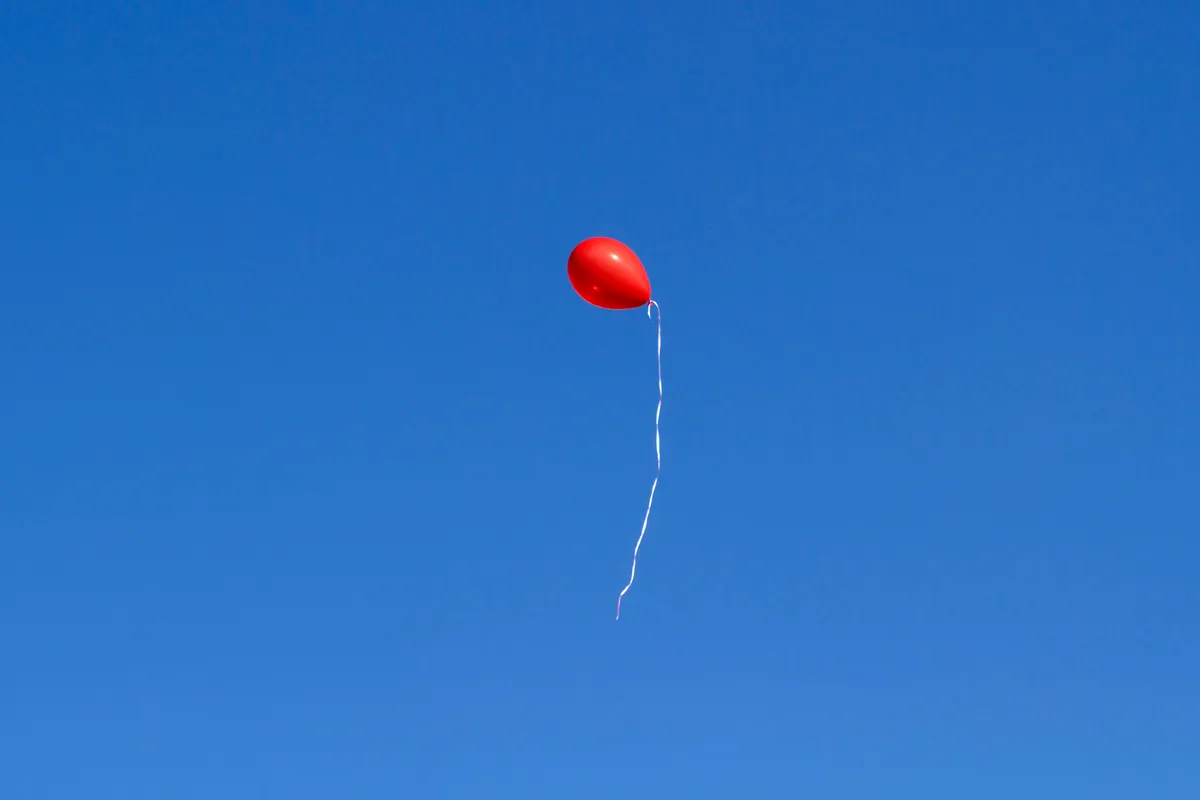
Balloons. They're the universal symbol of celebration, right up until they're not. Because while traditional balloons start life as natural, biodegradable rubber tree sap, manufacturers then add a cocktail of chemicals – sulfur, antioxidants, the works – to make them stretchy. The catch? Those very chemicals stop the latex from breaking down, turning a natural product into an environmental headache that leaches toxins.
Enter Juliana Cumming, a Ph.D. student at Imperial College London, who spent three years wrestling with this exact problem. Her solution? The "Bioloon." It still uses natural latex, but she’s blended it with another biodegradable polymer, sidestepping those problematic additives. The result is a balloon that's soft, elastic, inflates just fine, and then actually breaks down.
The Not-So-Fun Truth About Balloons
Every year, the world inflates a staggering 20 to 25 billion balloons. That’s a lot of party vibes. What most people don’t realize is that once the party's over, these balloons can become silent killers. Some packaging even claims they degrade as fast as an oak leaf. Spoiler alert: they don't.
We're a new kind of news feed.
Regular news is designed to drain you. We're a non-profit built to restore you. Every story we publish is scored for impact, progress, and hope.
Start Your News DetoxA 2019 study out of the University of Tasmania dropped a rather grim statistic: balloons are the "highest-risk plastic debris item" for seabirds, proving 32 times more lethal than hard plastics. Why? Because a deflated balloon floating in the ocean looks suspiciously like a tasty meal. And unlike a rigid piece of plastic, a soft balloon can get horrifyingly stuck in a bird's digestive system, leading to a fatal outcome.
Charlotte Melia, who ran a party planning business for a decade, saw thousands of balloons used for mere hours, then discarded. When she realized the "biodegradable" labels were, shall we say, optimistic, she put her money where her conscience was. She and a partner invested about £30,000 (roughly $38,000) into Cumming's research. Because apparently, that's where we are now – funding science to make party decorations less deadly.

Cumming’s journey involved hundreds of trials and, as she puts it, many failures. But she cracked it. The final formula skips the vulcanization additives, blending natural latex with that second biodegradable polymer. Tested in soil, seawater, and even plain deionized water, the Bioloon broke down in all three environments. Her estimate? It’ll be completely gone within nine months.
The plan is to bring the Bioloon to market by 2028. Melia also sees potential beyond parties, eyeing household gloves, surgical gloves, and even condoms. For now, though, the focus is on the balloon problem – making sure that when billions of balloons are sold, their environmental claims are finally, actually true.