Michigan, a state perhaps best known for its automotive history and, occasionally, its contentious political landscape, just put $7.5 million on the table. The bet? That it's sitting on a massive, untapped reserve of geologic hydrogen, a clean energy source that could dramatically shift its energy future.
Imagine burning fuel and the only byproduct is water. No greenhouse gases, no smog, just good old H₂O. That's the promise of hydrogen fuel, and if Michigan's hunch pays off, it could be a game-changer for industries like trucking, steel, and cement manufacturing — all notorious for their emissions. Kevin Mehren, director of the Michigan Infrastructure Office, isn't shy about the "massive potential" here. He sees it as a powerful tool for cleaning up some of the state's dirtiest operations, and let's be honest, that's a goal worth chasing.

The Buried Treasure Hunt Begins
The U.S. Geological Survey (USGS) already did some preliminary sniffing around in 2025 (yes, we're talking future studies, because apparently that's where we are now) and Michigan popped up as a prime candidate for buried hydrogen. This little hint was enough for Governor Gretchen Whitmer to greenlight more research, leading to this recent cash infusion. Kansas, Nebraska, and Iowa are already drilling for the stuff, so Michigan isn't exactly reinventing the wheel, but it's certainly joining the party.
We're a new kind of news feed.
Regular news is designed to drain you. We're a non-profit built to restore you. Every story we publish is scored for impact, progress, and hope.
Start Your News DetoxThe initial $7.5 million will fund studies in areas believed to be hydrogen hotspots, particularly in Michigan's lower peninsula. The goal is to figure out if the hydrogen is actually there, if it's accessible, and if it can truly deliver on its clean energy promise. It's like a geological treasure hunt, but with significantly higher stakes than finding a shiny rock.
A Rift, Old Wells, and Bipartisan Hopes
Michigan's geological luck comes from something called the Midcontinent Rift, where North America almost tore itself in half over a billion years ago before deciding against it. This ancient drama left behind the Michigan Basin, a formation that might have brewed up hydrogen in its older rock layers, especially near cities like Detroit and Traverse City.
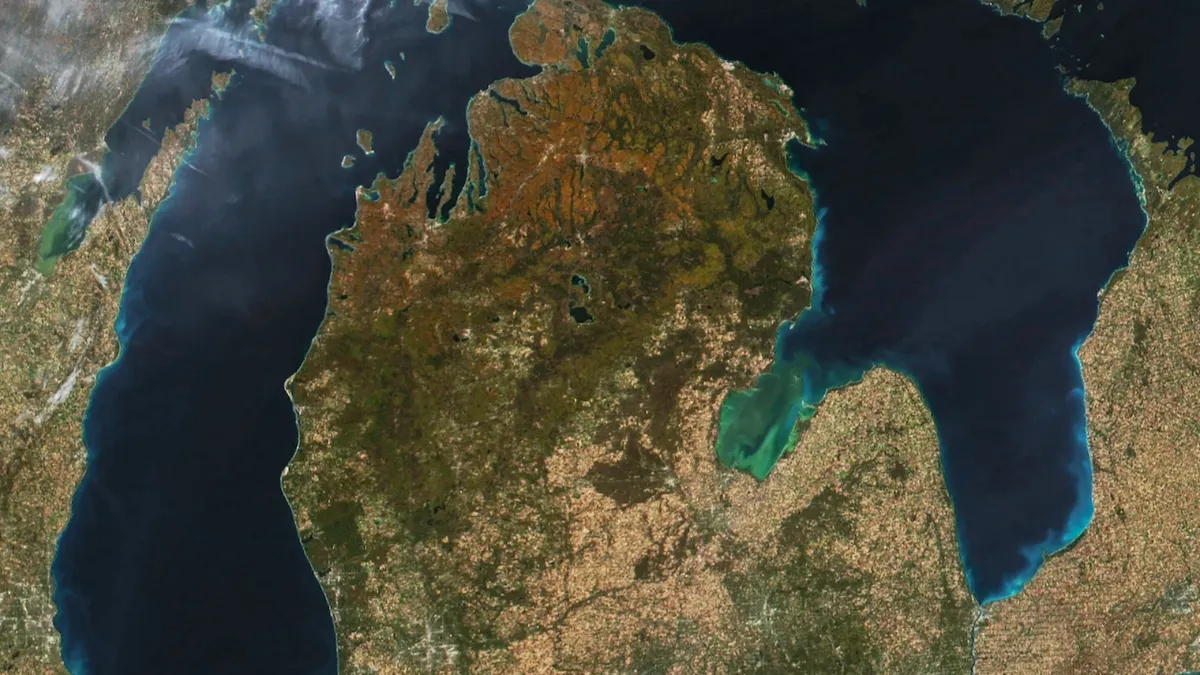
Here's where it gets interesting: Northern Michigan already has a ton of existing oil and natural gas wells. Brian Ellis, an associate professor at the University of Michigan and co-director of MI Hydrogen, points out that these old drilling sites could be repurposed for the hydrogen hunt. Turns out, nobody was looking for hydrogen back when these wells were first drilled, meaning there's a treasure trove of data just waiting to be re-examined. Talk about a happy accident.
Ellis is also hoping this state funding will act as a magnet for federal dollars, especially with the U.S. Department of Energy already earmarking $20 million for geologic hydrogen projects. Because, as he notes, these "high-risk, high-reward opportunities" are exactly what the feds should be backing.
Even better? This whole endeavor might actually unite politicians. Mehren believes drilling for a "zero-emission energy" source that's domestic, creates jobs, and fights climate change could be a uniquely bipartisan issue. Because who doesn't love a good treasure hunt, especially when the prize is a cleaner planet and a fatter wallet?