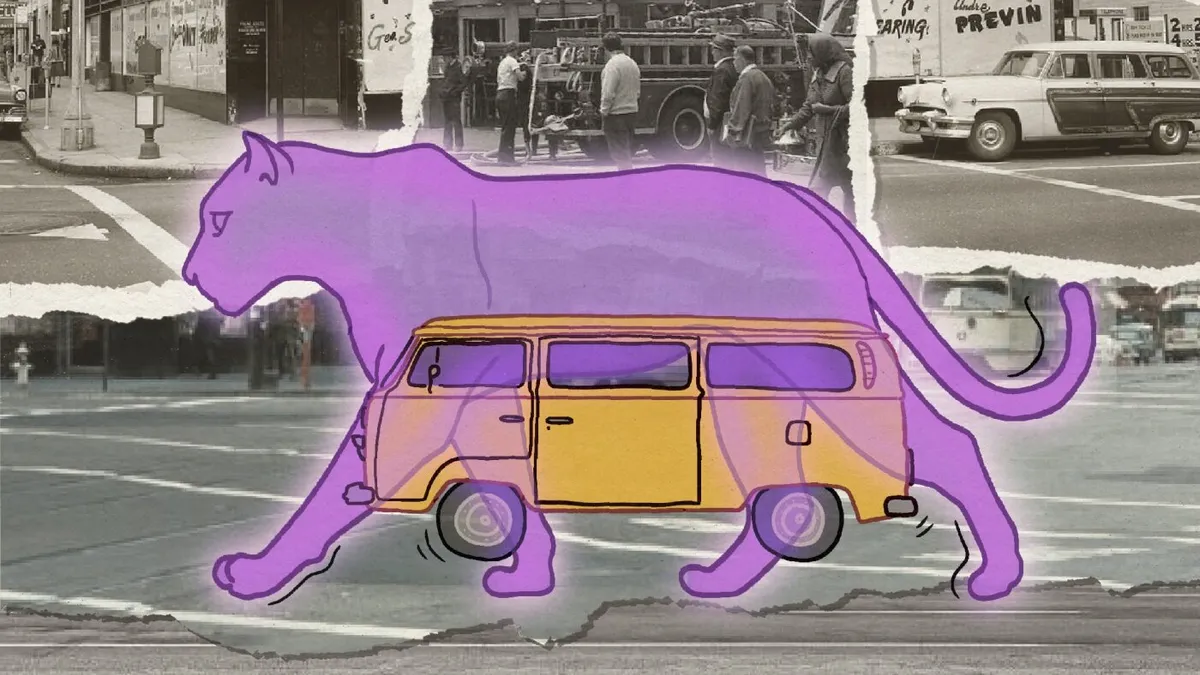
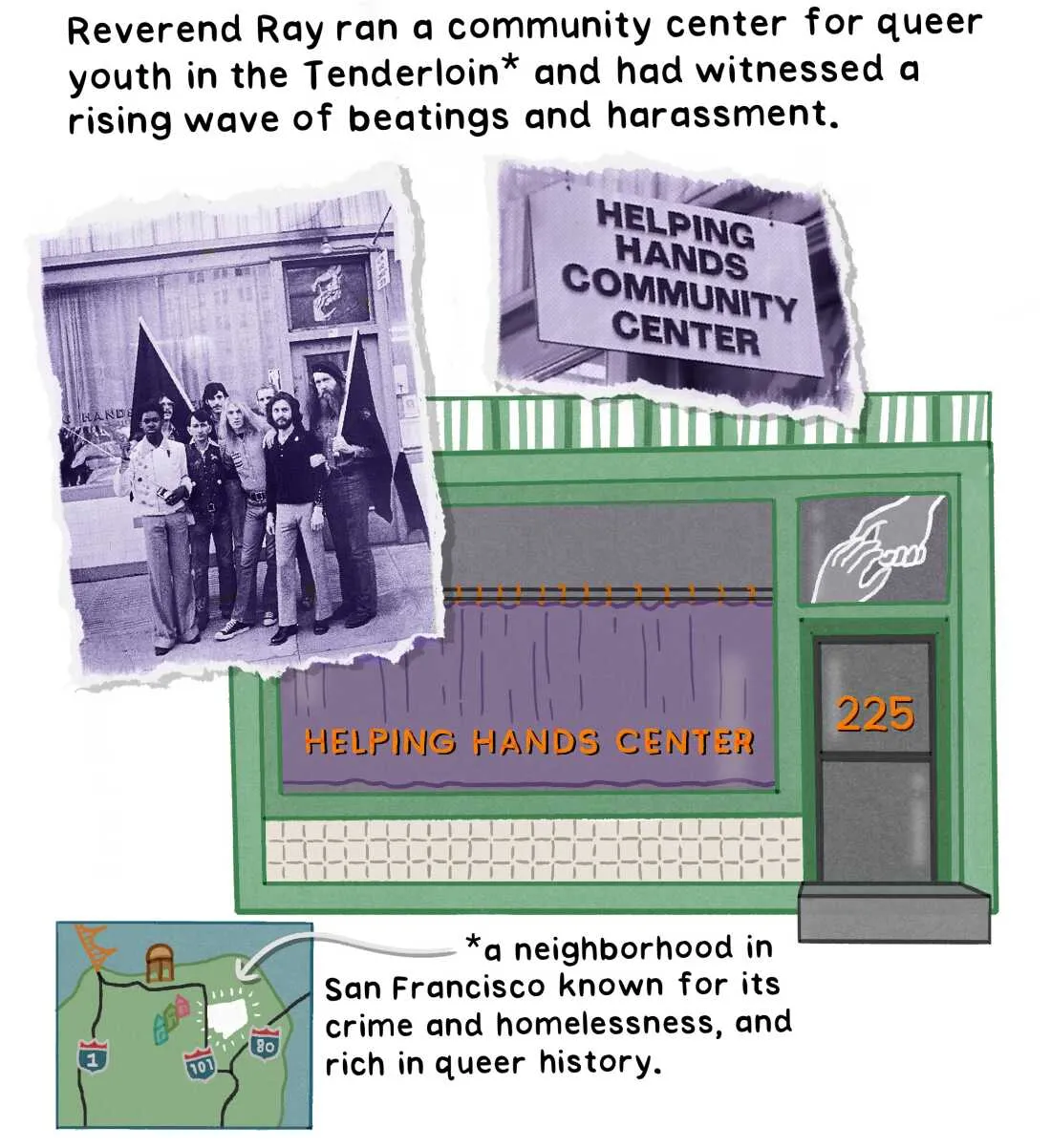
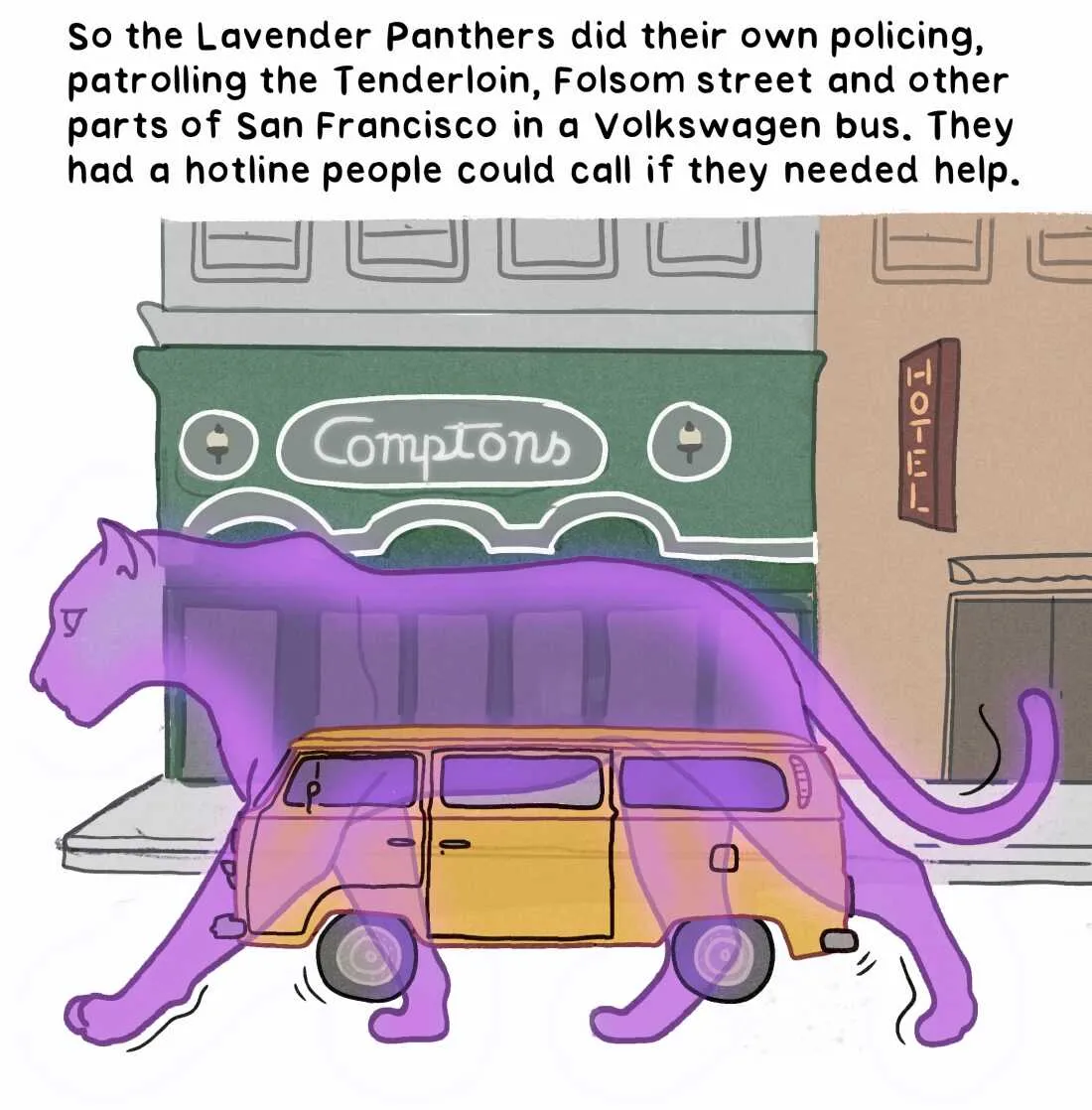
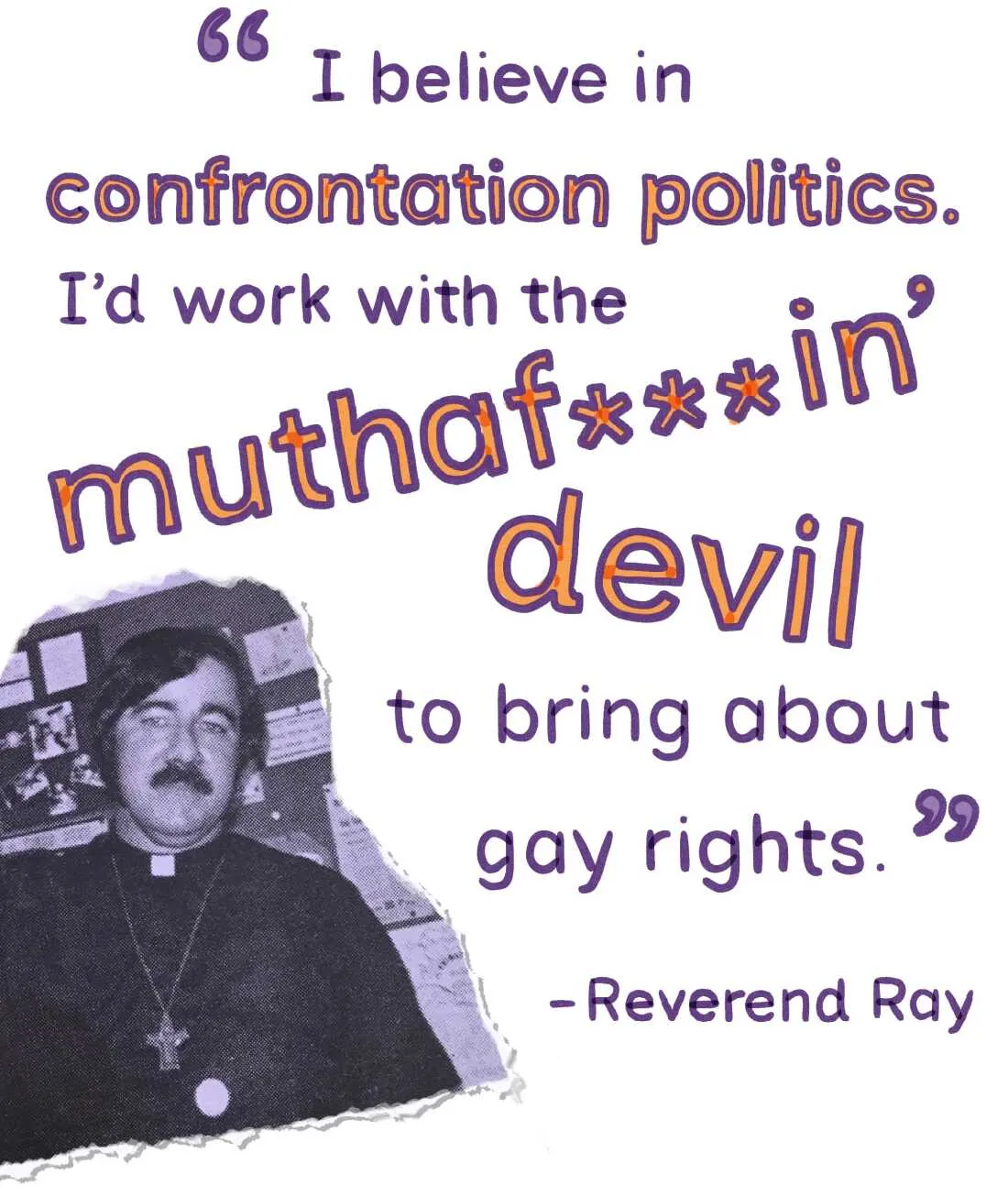
In 1973, a gay preacher named Ray Broshears started a street vigilante group in San Francisco. He called them the Lavender Panthers. Their goal was to protect LGBTQ+ people in the Tenderloin neighborhood.
Broshears told a reporter he wanted to scare "all those young punks who have been beating up my f****s." He was a controversial figure, even then, because of his militant methods.
Filling a Need for Safety
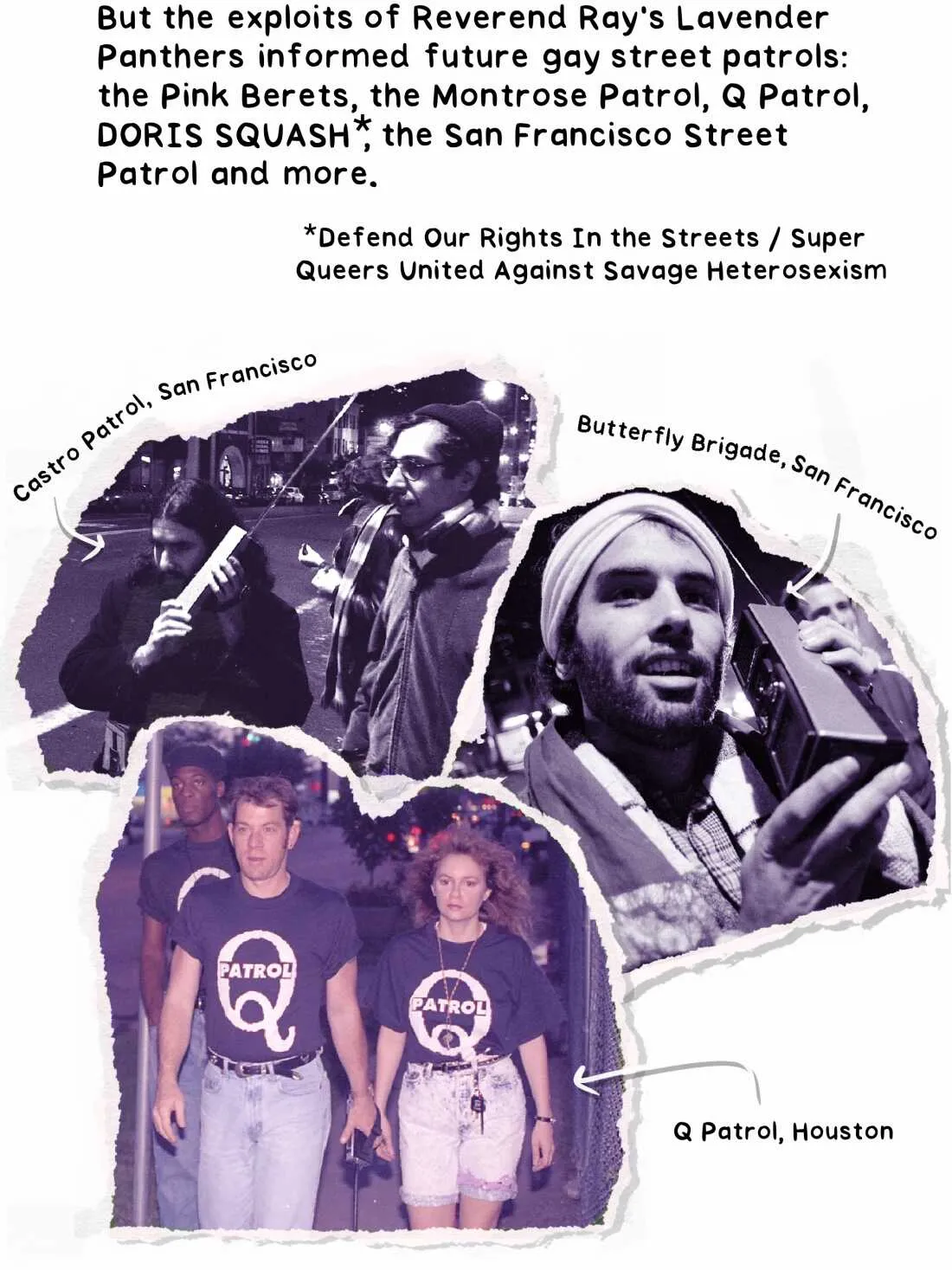
The Lavender Panthers showed how the queer community created its own safety nets. This was important in a society that was often homophobic. The group also set an example for similar mutual aid efforts in later decades.
We're a new kind of news feed.
Regular news is designed to drain you. We're a non-profit built to restore you. Every story we publish is scored for impact, progress, and hope.
Start Your News Detox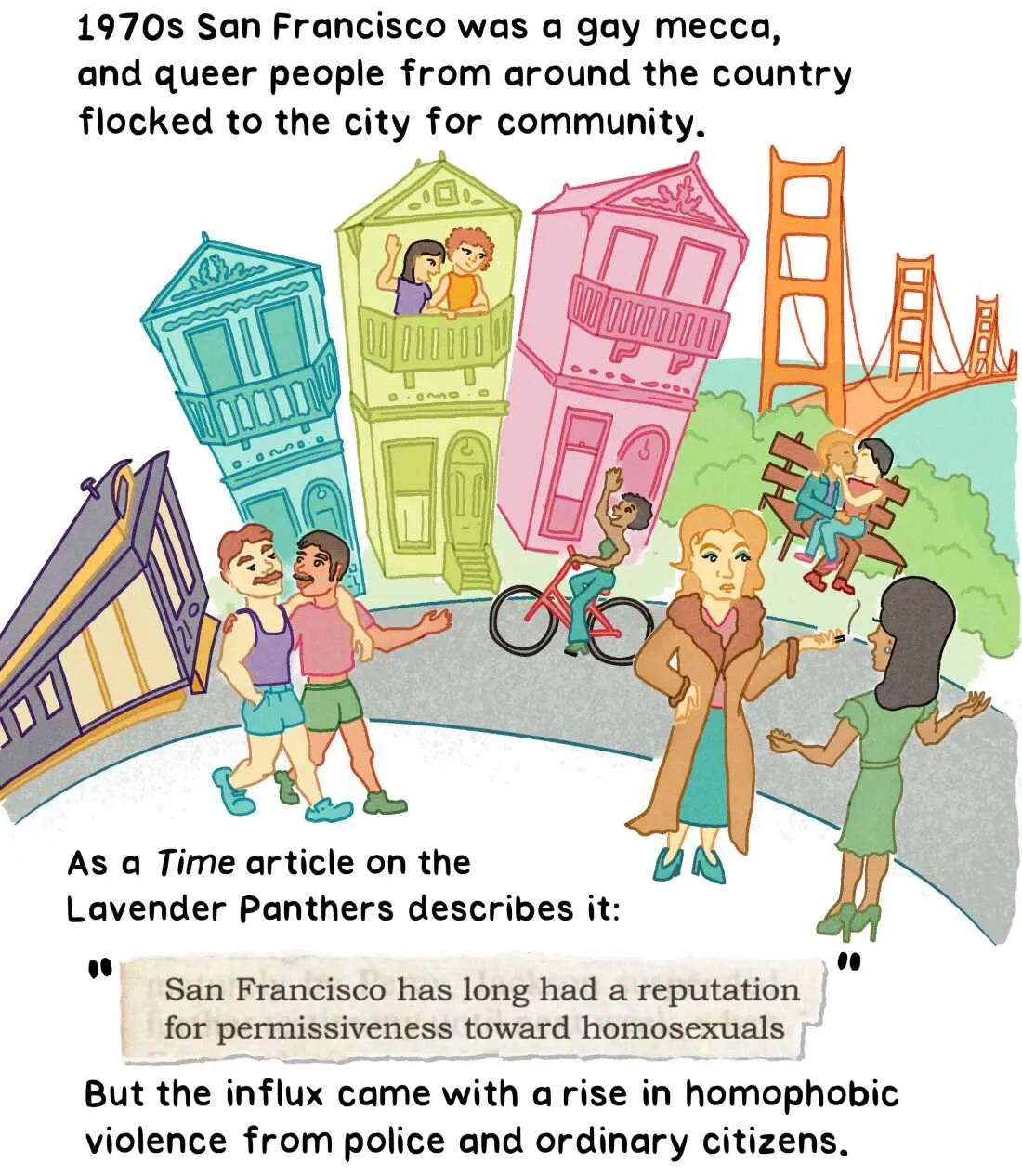
The Lavender Panthers are still a lesser-known part of queer history. In 2018, a Newsweek article noted that neither the group nor Broshears had a Wikipedia page. Both pages have since been created.
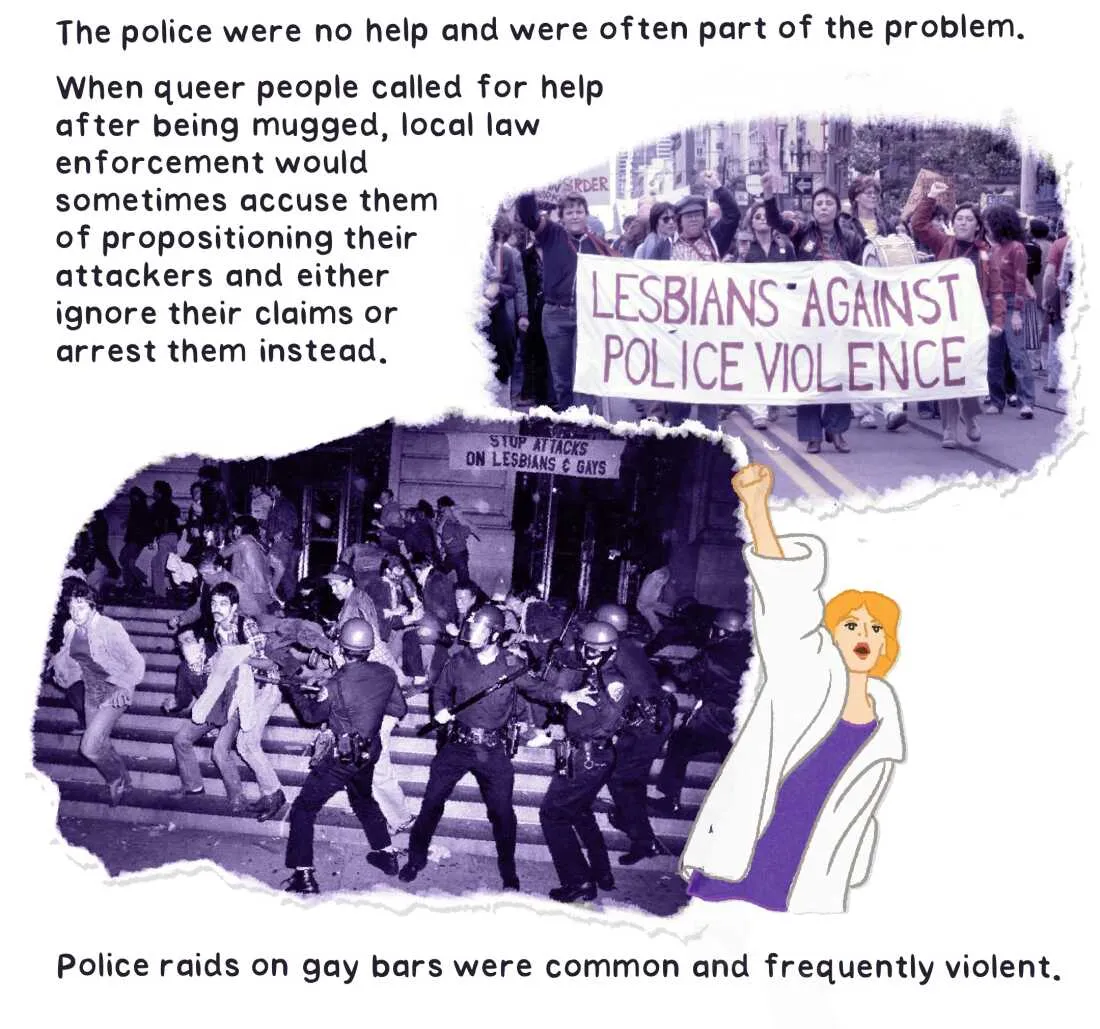
Why Their Story Survived
Documentation for queer defense groups from that era is often rare. However, Reverend Ray actively sought publicity. He wrote articles for local newspapers and staged public stunts. One stunt involved a fake crucifixion outside a company accused of discriminating against gay people.
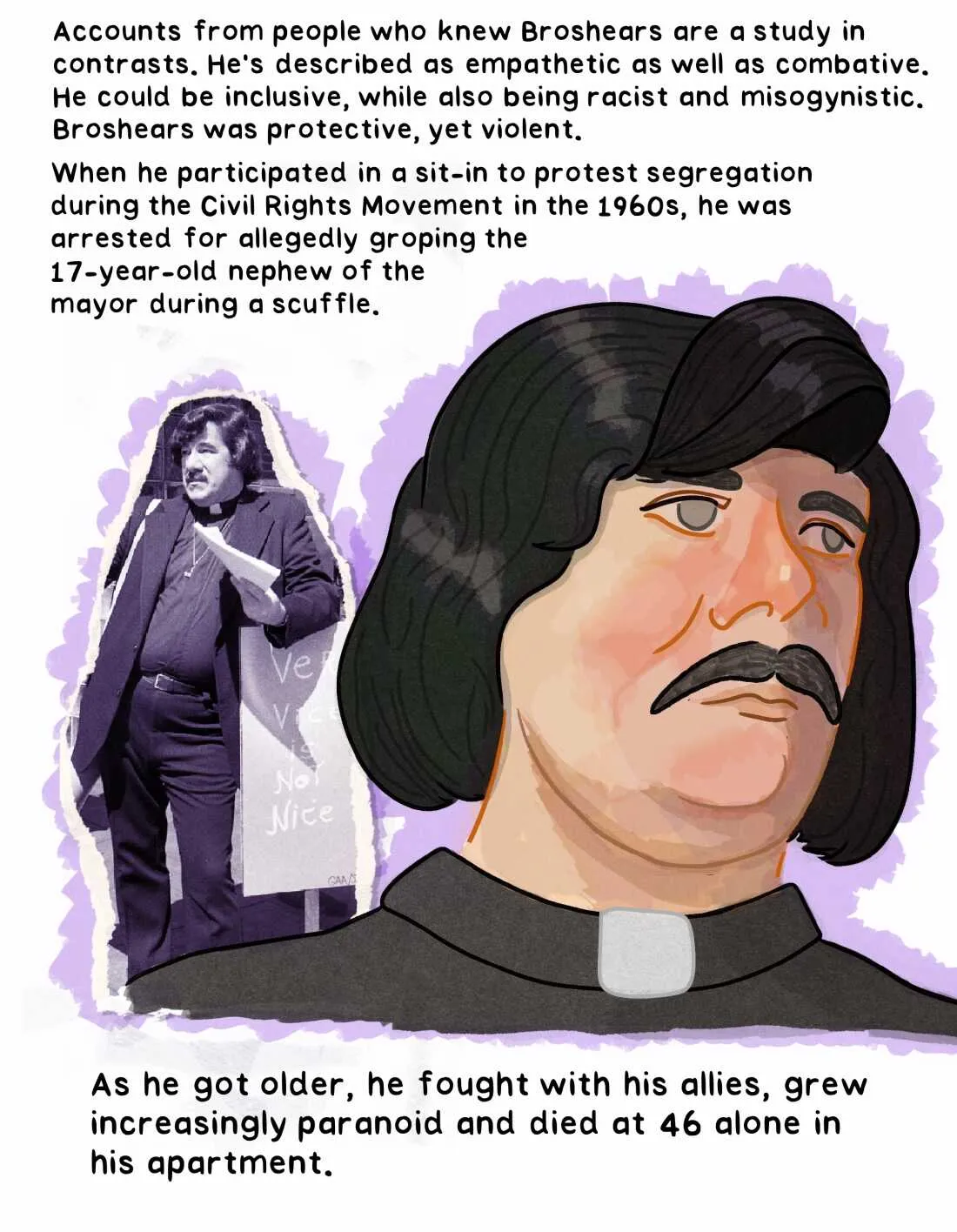
These actions did not make him popular with mainstream gay rights groups at the time. But they likely helped preserve information about the Lavender Panthers in historical records. Many other queer defense groups, including those for lesbians, trans people, and people of color, operated quietly. They often stayed hidden to avoid danger. As a result, much of their history has been lost.
Deep Dive & References
The Controversial Gay Priest Who Brought Vigilante Justice to San Francisco's Streets - Smithsonian Magazine
The Most Dangerous Gay Man in America Fought Violence With Violence - Newsweek