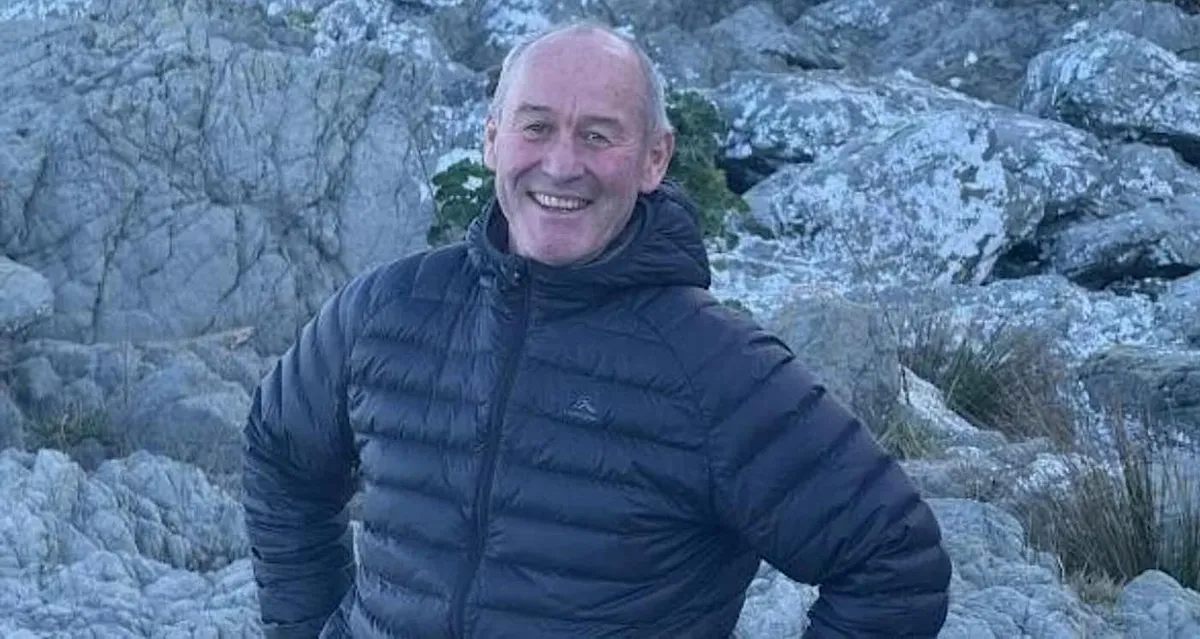
Graham Garnett spent 16 days alone in New Zealand's backcountry before a contractor crew stumbled upon him sheltering in a hut. He'd set out on a hiking trip through the Baton/Ellis River area of Kahurangi National Park on December 30 and never returned.
The search that followed was substantial. Land Search and Rescue New Zealand mobilized, the Defense Force sent specialist teams, and volunteers fanned across the park's 2,005 square miles of mountains, rivers, and gorges. But the terrain defeated them. By January 15, after two weeks with no sign of Garnett, the operations team made the call to stand down.
Three days later, contractors working in the area found him alive in a hut, sheltering and waiting. He was taken to Nelson Hospital and reunited with his family.
We're a new kind of news feed.
Regular news is designed to drain you. We're a non-profit built to restore you. Every story we publish is scored for impact, progress, and hope.
Start Your News DetoxWhat made the difference wasn't the official search—it was proximity and chance. The contractors weren't part of the rescue operation. They were simply working in the park when they discovered him. It's a reminder that in wilderness terrain this vast and unforgiving, survival often comes down to small decisions: finding shelter, staying put, staying alive long enough for someone to pass by.
The Nelson, Marlborough, West Coast Police acknowledged the outcome with understated relief: "We are so pleased for Graham and his loved ones." Everyone involved in the search was reportedly delighted to hear he'd made it through.
Garnett's case sits in that narrow space where preparation meets luck—and where the decision to shelter rather than wander proved crucial. Kahurangi National Park remains one of New Zealand's most remote regions, and stories like this one tend to reshape how people think about solo hiking in terrain where help is hours away.