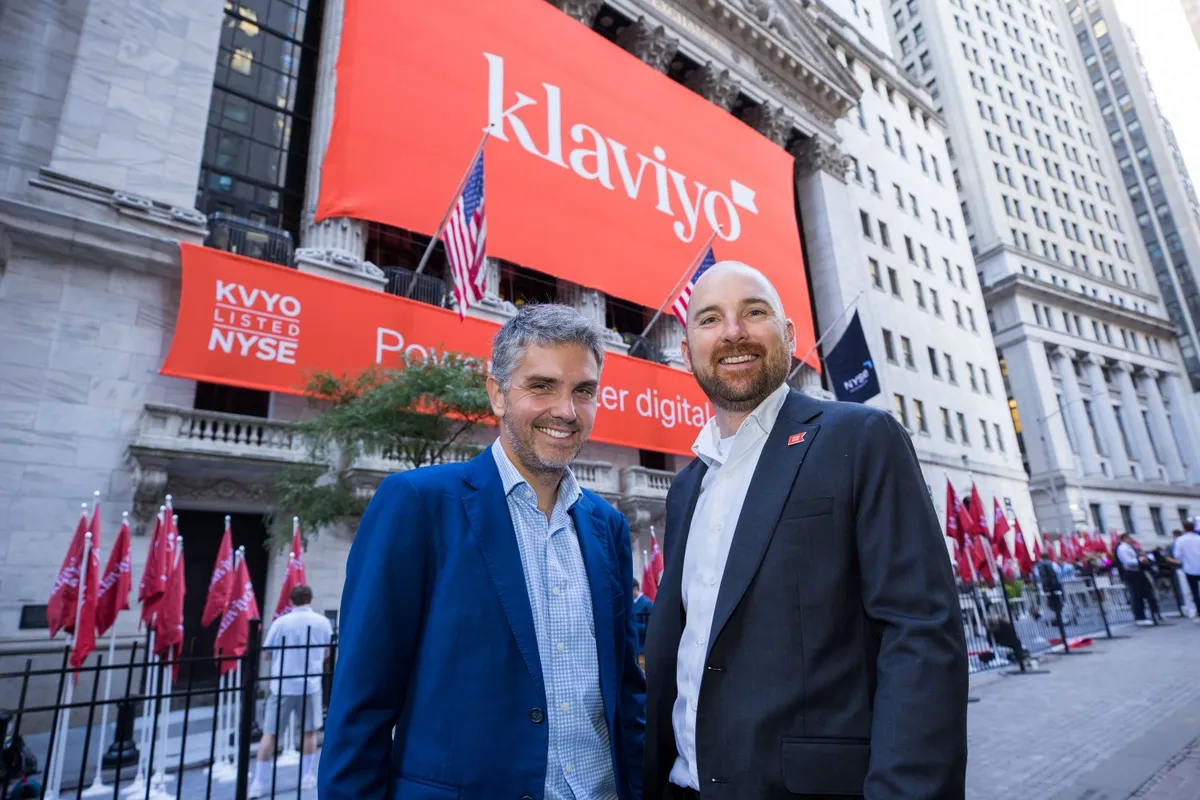
MIT's delta v accelerator just got a significant upgrade. Ed Hallen and Andrew Bialecki, the co-founders of Klaviyo, have committed $6 million to reshape the program that launches student startups—and the timing matters. AI is shifting what's possible for founders right now, and MIT is making sure its students have the resources to build at that scale.
The most immediate change: students can now access up to $75,000 in equity-free funding during the program, up from $20,000 previously. That's not just more money—it's recognition that AI-driven ventures need real runway, and that MIT's student founders are thinking bigger.
What's actually changing
Beyond the funding bump, delta v is adding something harder to quantify but potentially more valuable: direct mentorship from founders who've already built what works. The program now connects student teams with experienced operators from companies like HubSpot, Okta, and Kayak, alongside investors and subject matter experts. It's the difference between reading about how to build a company and having someone who's done it sit across from you and say, "Here's what we learned the hard way."
We're a new kind of news feed.
Regular news is designed to drain you. We're a non-profit built to restore you. Every story we publish is scored for impact, progress, and hope.
Start Your News DetoxHallen described the philosophy plainly: "In the early days of Klaviyo, we learned almost everything by building, testing assumptions, making mistakes, and figuring things out as we went. MIT delta v creates that same learning-by-doing environment for students, while surrounding them with mentorship and resources that help founders build with clarity and momentum."
What makes this meaningful is that Hallen and Bialecki are giving back to the same ecosystem that helped them. They built Klaviyo through the Trust Center—the organization overseeing delta v—and now they're essentially saying: we want the next generation to have what we had, but better.
The track record
Delta v alumni aren't theoretical success stories. Over the past decade, the program's companies have achieved a 69% five-year survival rate—substantially higher than typical startup benchmarks. They've raised over $3 billion in funding collectively. Companies like Cursor, Delve, and Klarity are building AI-native tools. Older cohorts launched Okta, HubSpot, PillPack, and WHOOP. That's not luck; that's a pattern.
Even more striking: 89% of delta v alumni ventures directly align with the UN Sustainable Development Goals, meaning they're working on problems in healthcare, climate, and finance alongside building profitable businesses. This isn't accelerator theater—it's founders solving real problems at scale.
Applications for the next cohort open March 1 and close April 1, with teams announced in May for the summer 2026 program. If you're at MIT and thinking about starting something, the bar for support just got higher—which means the bar for what students can actually build just got higher too.