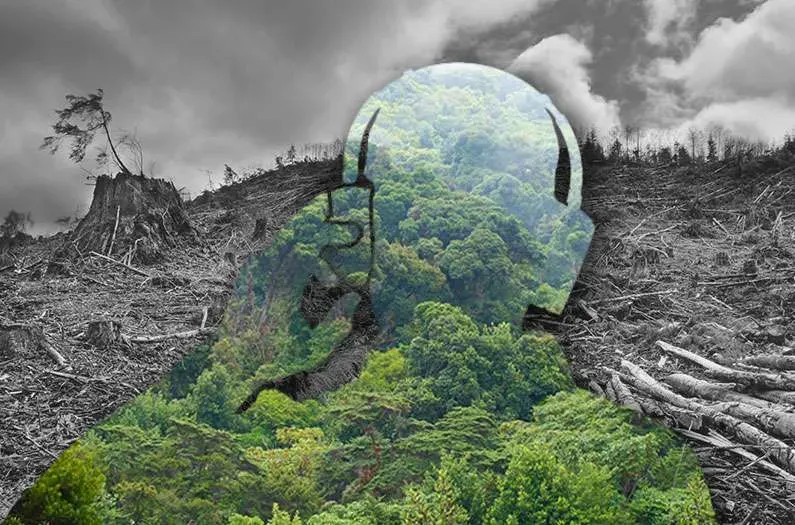
Brazil's Atlantic Forest is one of Earth's most biodiverse places — and it's shrinking. Less than a third of the original forest remains, which means the animals that once fed mosquitoes are disappearing. Now the mosquitoes are looking elsewhere for blood meals, and they're finding humans.
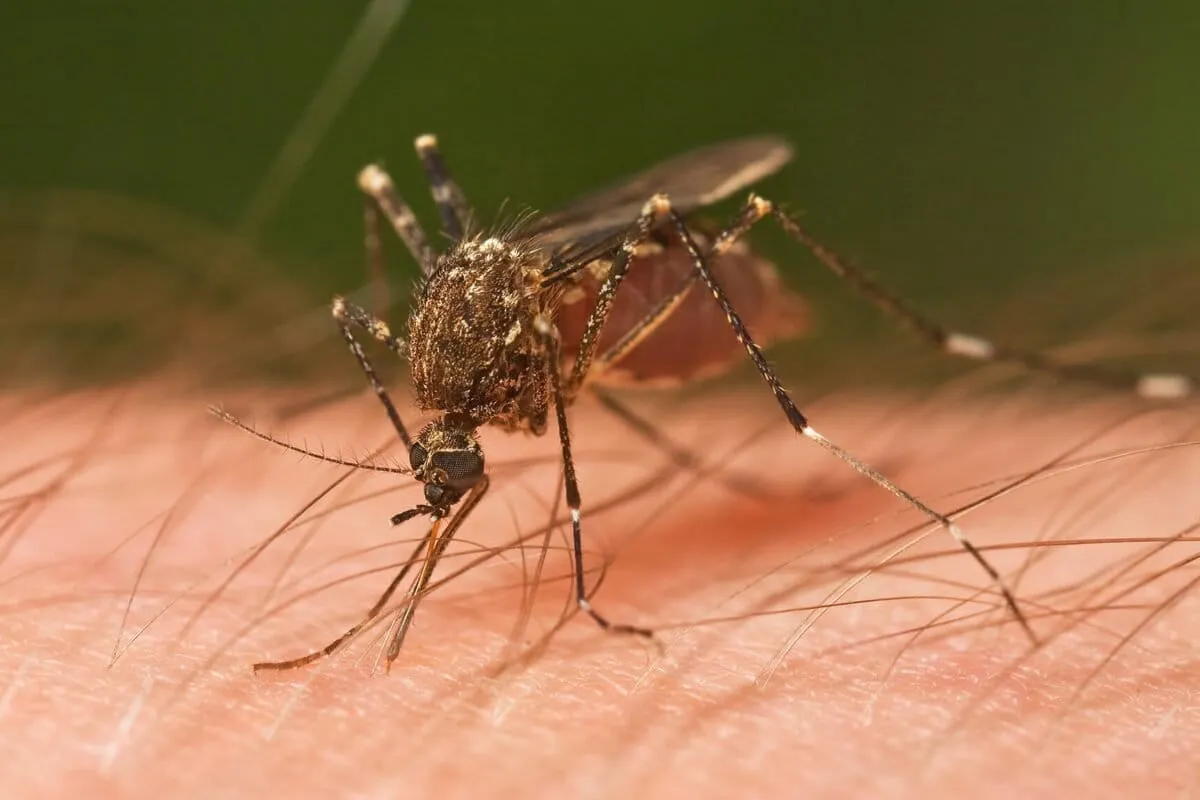
Researchers at the Oswaldo Cruz Institute collected 1,714 mosquitoes from two reserves in Rio de Janeiro state and analyzed the blood in 145 engorged females. Three-quarters had fed on humans.
"Once the vertebrate population decreases, moving for other habitats, mosquitoes go in search of new blood sources," explains Sérgio Lisboa Machado, one of the researchers on the study. It's a straightforward ecological shift: habitat shrinks, food sources vanish, and species adapt by turning to what's available. In this case, that's us.
We're a new kind of news feed.
Regular news is designed to drain you. We're a non-profit built to restore you. Every story we publish is scored for impact, progress, and hope.
Start Your News DetoxThe finding matters beyond the discomfort of more mosquito bites. The study also found that some mosquitoes had fed on multiple host species — humans and birds, humans and amphibians — in a single meal. That dietary flexibility raises a real concern: mosquitoes become more efficient vectors for spreading diseases between animal populations and to people. A mosquito that feeds on both wildlife and humans can become a bridge for pathogens to jump species barriers.
This isn't unique to Brazil. Across the tropics, as forests fragment and shrink, disease-carrying insects are shifting their feeding patterns toward human populations. It's a predictable consequence of habitat loss, and it's already happening in parts of Africa, Southeast Asia, and Central America.
What makes the Atlantic Forest case particularly urgent is the speed of change. The forest has lost roughly two-thirds of its original extent in just a few centuries. That's not enough time for mosquito populations to stabilize at some new equilibrium — they're in active transition, which means behavior and disease risk are still shifting.
The researchers didn't propose solutions in their statement, but the implication is clear: protecting remaining forest fragments and restoring habitat reduces the pressure on mosquitoes to seek human blood. It's not a quick fix, but it's the kind of long-term ecological stabilization that prevents worse outcomes down the line.