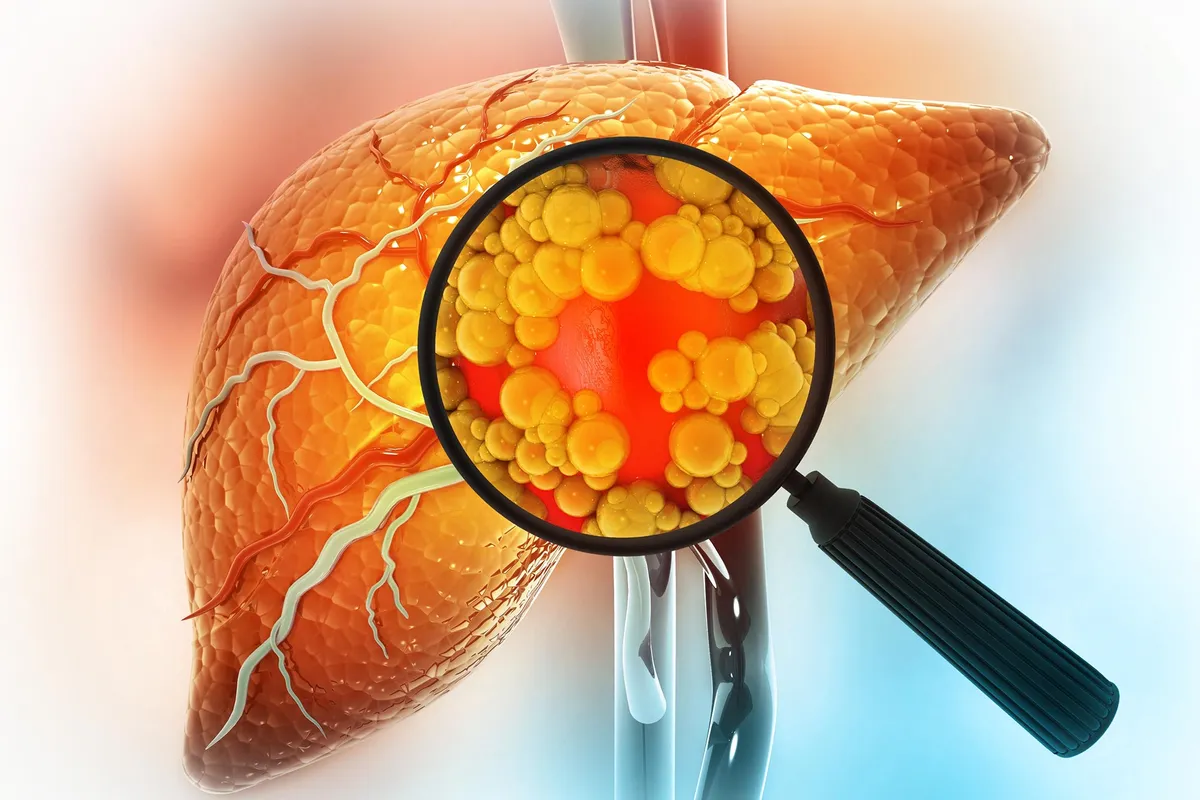
A naturally occurring compound produced by gut bacteria during pregnancy appears to shield children from developing fatty liver disease decades later — even if they eventually eat poorly.
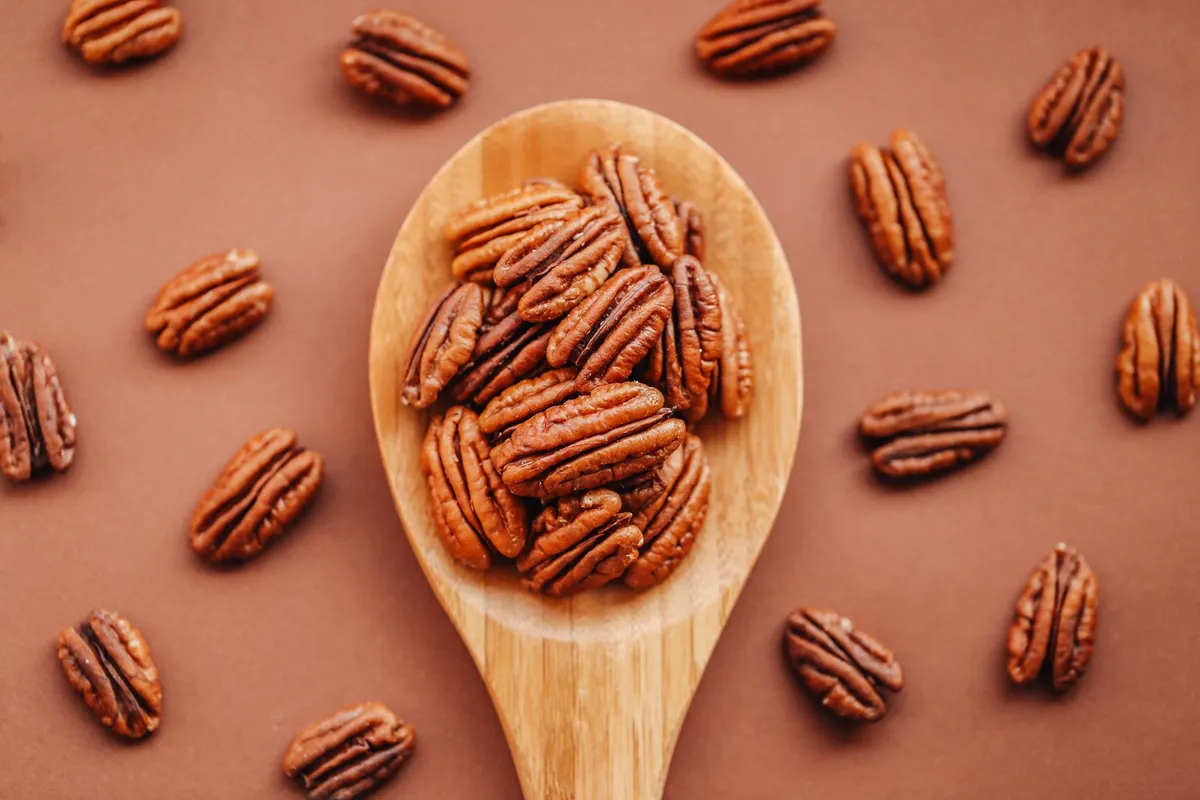
Researchers at the University of Oklahoma fed pregnant mice a high-fat, high-sugar diet mimicking Western eating patterns. Some mothers also received indole, a compound created when healthy gut bacteria break down tryptophan (an amino acid in turkey, nuts, and other foods). After weaning, their offspring were given standard diets initially, then switched to the same high-fat, high-sugar diet as adults.
The difference was striking. Offspring of mothers who received indole showed healthier livers, gained less weight, maintained lower blood sugar, and had smaller fat cells — despite eating the same poor diet as a control group. The protection persisted into adulthood.
We're a new kind of news feed.
Regular news is designed to drain you. We're a non-profit built to restore you. Every story we publish is scored for impact, progress, and hope.
Start Your News DetoxHow the Protection Works
The mechanism involves a gut signaling pathway called the acyl hydrocarbon receptor (AHR). In protected offspring, harmful liver fats called long-chain ceramides didn't accumulate, while beneficial very long-chain ceramides increased. When researchers transferred gut bacteria from these protected mice to unprotected animals, those mice also experienced less liver damage — suggesting the bacterial community itself carries the protective effect.
This matters because metabolic dysfunction-associated steatotic liver disease (MASLD) — fatty liver disease — has become one of the most common chronic liver conditions in children. Currently, weight loss is the only established treatment once the disease takes hold. There are no approved medications for pediatric cases.
Karen Jonscher, one of the study's lead researchers, framed the opportunity clearly: "Anything we can do to improve the mother's microbiome may help prevent the development of MASLD in the offspring. That would be far better than trying to reverse the disease once it has already progressed."
The study, published in eBioMedicine, is based on animal research, so human trials remain ahead. But the findings suggest a straightforward prevention strategy: supplementing pregnant and nursing mothers with indole or supporting their natural production through diet could protect their children's metabolic health for life. The window for intervention turns out to be narrower — and more powerful — than anyone expected.