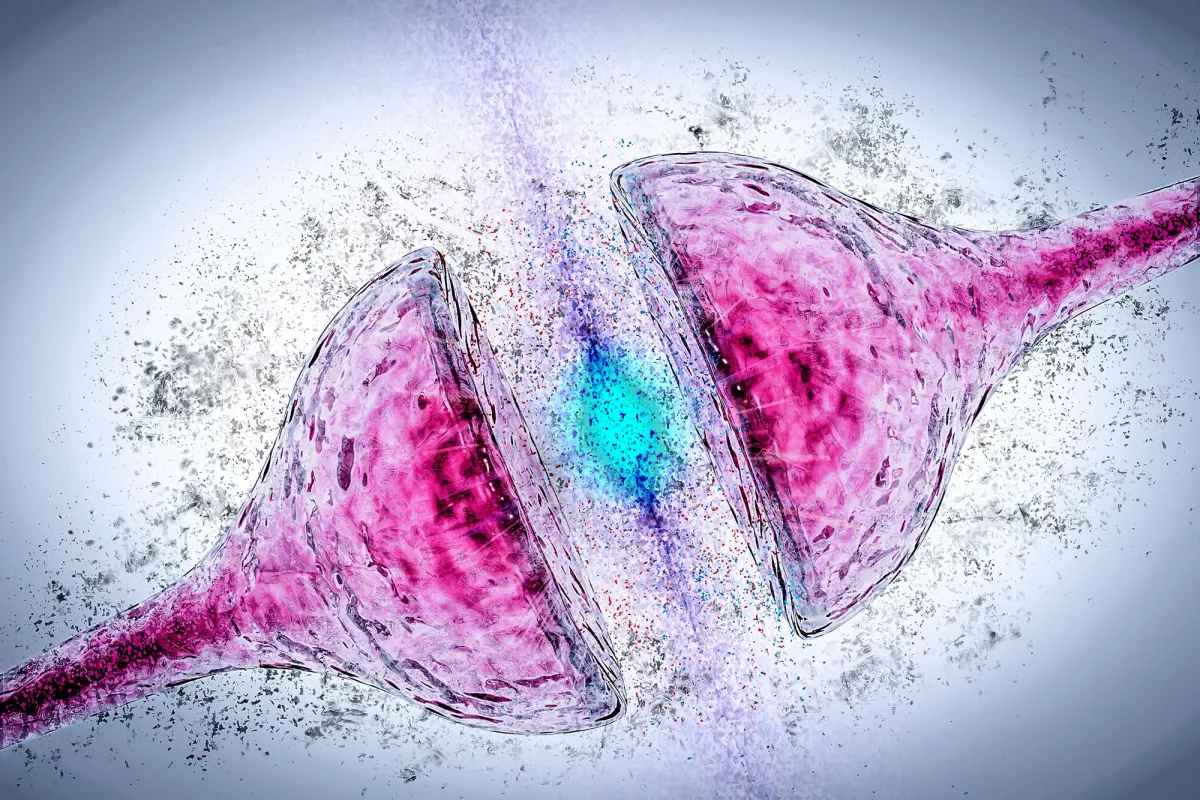
Pancreatic cancer has long been a quiet killer. It's caught late, responds poorly to the immunotherapies that work elsewhere, and carries a five-year survival rate of just 13%. The reason has puzzled researchers: inside pancreatic tumors, the immune system doesn't fight back. It goes silent.
Now scientists at Northwestern Medicine think they know why — and they've developed an antibody that wakes it back up.
The deception inside tumors
Tumor cells are masters of disguise. The team discovered that pancreatic cancer cells exploit a natural protective signal that healthy cells use all the time. On their surface, normal cells display a sugar called sialic acid — essentially a biological "don't harm me" sign that tells the immune system to leave them alone.
We're a new kind of news feed.
Regular news is designed to drain you. We're a non-profit built to restore you. Every story we publish is scored for impact, progress, and hope.
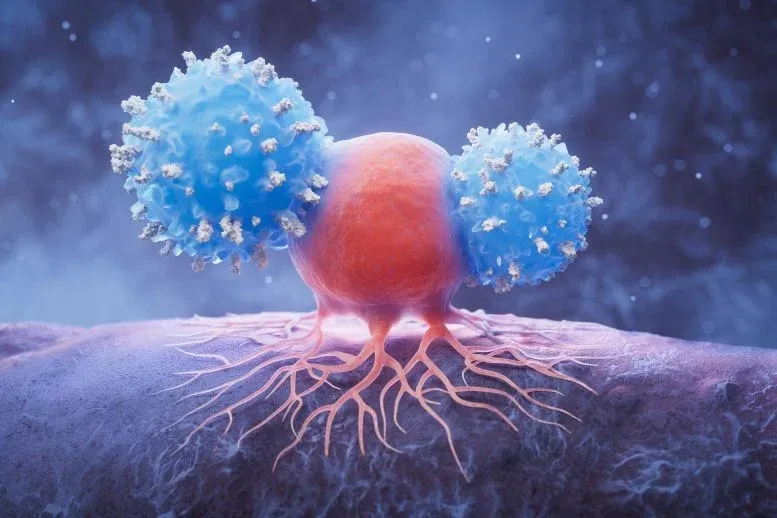
Start Your News DetoxPancreatic tumors hijack this same system. They coat themselves with the same sugar, but attach it to a protein called integrin α3β1. When immune cells encounter this sugar-coated protein, it binds to a receptor on their surface called Siglec-10, delivering a false signal: stand down, this is a friend.
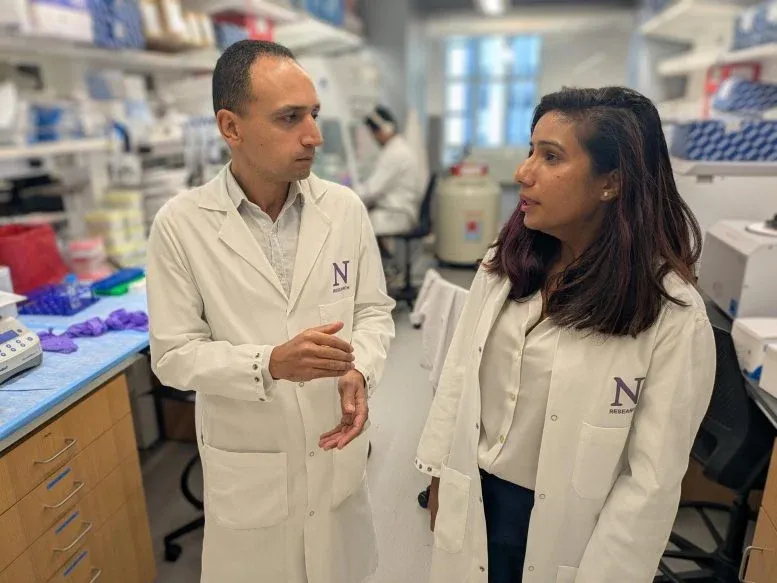
"We wanted to flip that environment," said Mohamed Abdel-Mohsen, the study's senior author, "so immune cells attack tumor cells instead of ignoring or even helping them."
Once the team identified this deception, they designed monoclonal antibodies to block it — essentially cutting the communication line between tumor and immune cell. In lab experiments and in two animal models, the results were striking. When the antibodies were introduced, immune cells woke up and began consuming cancer cells. Tumors in treated mice grew significantly slower than in untreated controls.
What comes next
Abdel-Mohsen's team is now refining the antibody for human use and preparing early safety and dosing studies. They're also testing it alongside existing chemotherapy and immunotherapy treatments, and developing a companion test to identify which patients' tumors actually rely on this sugar-based hiding mechanism. That matters: not every pancreatic cancer patient would benefit, so matching the right therapy to the right person is crucial.
If development stays on track, the therapy could reach patients in roughly five years.
The implications may extend beyond pancreatic cancer. The team is now investigating whether other hard-to-treat cancers like glioblastoma use the same sugar-coat trick, and whether this deception shows up in non-cancer diseases where the immune system is similarly misled. A single discovery about how one tumor hides could open doors across multiple diseases.