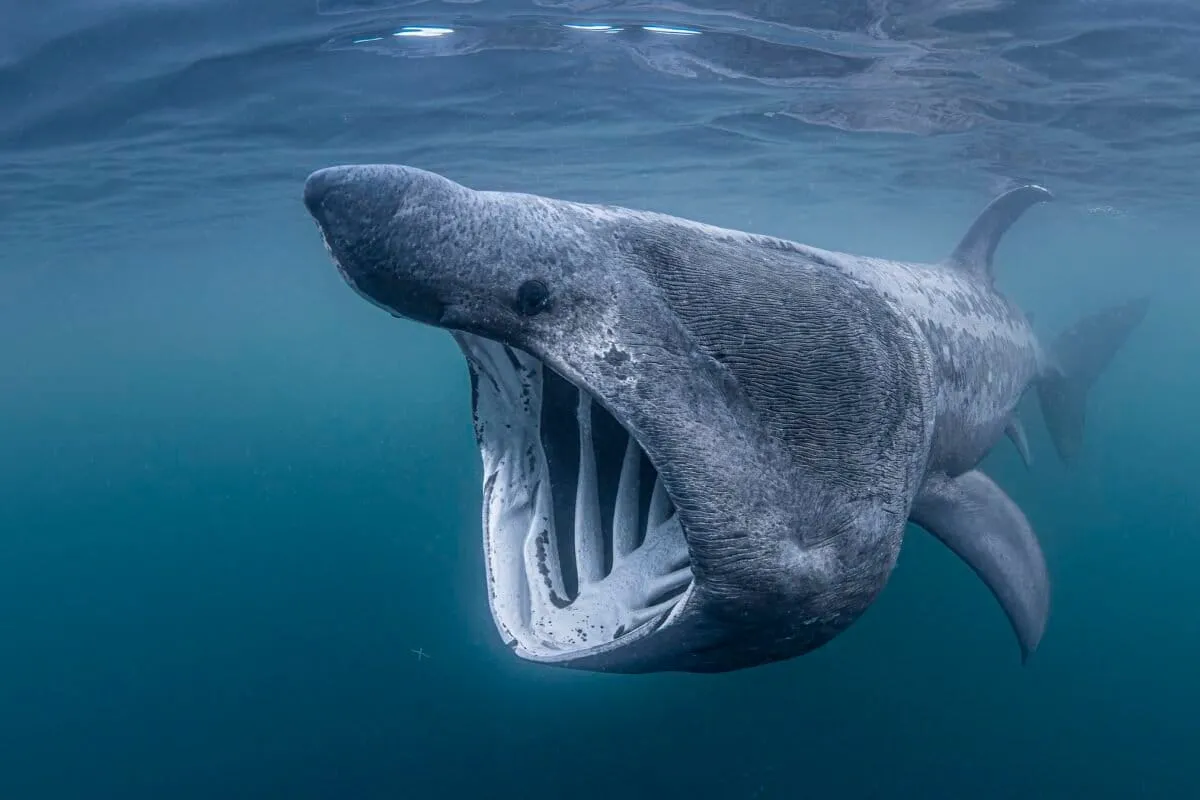
Shark and ray populations are collapsing. Overfishing, habitat loss, and climate change have pushed hundreds of species toward extinction — yet until recently, these animals barely registered on the conservation radar. That's starting to change, thanks to the most comprehensive map ever created of where these creatures actually live and breed.
In December 2025, the IUCN — the global authority on wildlife conservation — released "Ocean Travellers," a report identifying 816 ocean areas critical for shark and ray survival. These zones, called Important Shark and Ray Areas (ISRAs), are now visible on a public online atlas. Almost every one of them hosts essential activities like breeding or feeding grounds for at least one threatened species.
"We want to change the narrative, but to do that, we need the data," says Rima Jabado, chair of the IUCN's Shark Specialist Group, which led the project. "We're doing the work for the government, so they don't need to do it." That matters. Governments often lack the research capacity to identify where protection would actually help. This atlas hands them the blueprint.
We're a new kind of news feed.
Regular news is designed to drain you. We're a non-profit built to restore you. Every story we publish is scored for impact, progress, and hope.
Start Your News DetoxThe shift in attention is significant. For decades, sharks and rays were treated as either villains (in popular culture) or afterthoughts (in policy). Funding flowed toward charismatic megafauna — whales, dolphins, sea turtles. But sharks and rays are equally vulnerable and equally important. They regulate fish populations, maintain ecosystem balance, and in some regions, support entire fishing communities. When they disappear, everything downstream gets disrupted.
The ISRA initiative sits alongside parallel efforts to protect other marine life. The IUCN has similar maps for marine mammals and turtles. The UN's Convention on Biological Diversity maintains its own atlas of Ecologically or Biologically Significant Marine Areas. What makes the shark and ray map distinctive is its specificity — these 816 zones represent the first time the global conservation community has systematically identified where these animals actually need help.
The real test comes next. A map is only useful if governments and fishing authorities act on it. Some regions are already moving toward marine protected areas. Others will resist, citing economic costs. But having the data public — visible to scientists, journalists, activists, and policymakers — creates pressure and opportunity. It's harder to ignore a problem when someone's handed you the exact coordinates.
The conversation around sharks and rays is shifting. This atlas is the proof.