A fire took Scotland's only dedicated dark sky observatory offline four and a half years ago. Now, after years of searching for the right location, the Scottish Dark Sky Observatory is finally moving forward—to a site that might actually be better than the original.
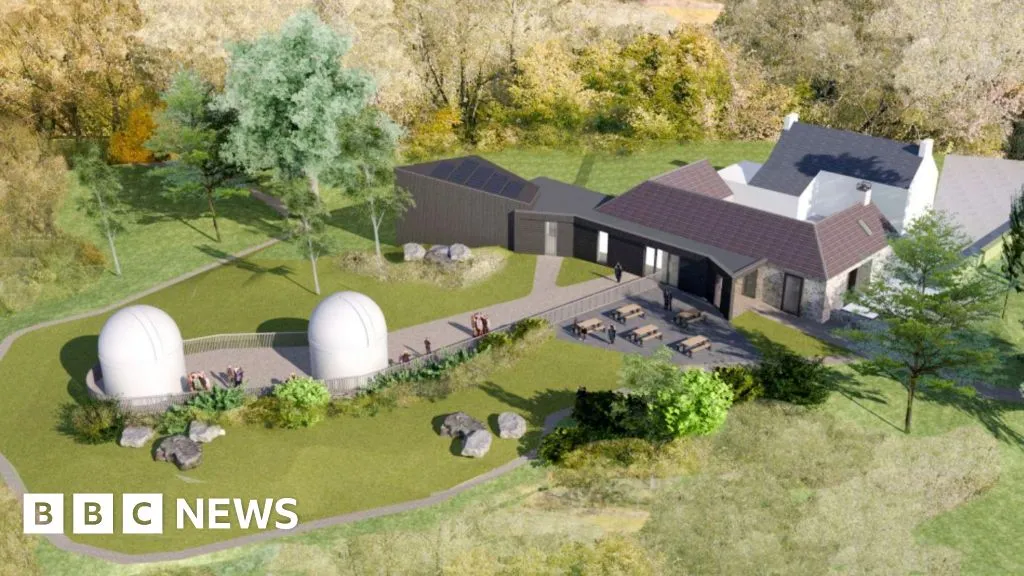
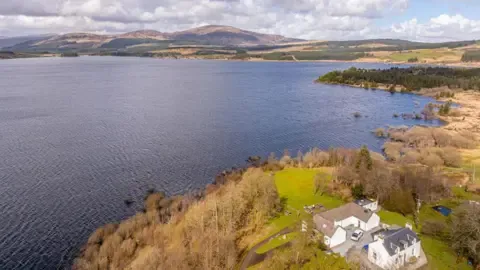
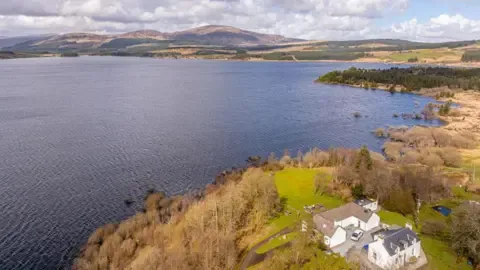
Plans for the new facility at Clatteringshaws, near New Galloway, have just been approved. The £1.5 million project will convert and expand a former visitor centre into a working observatory, planetarium, and public space. Two observing domes will sit overlooking Clatteringshaws Loch, in a location chosen specifically for its clear views of the night sky.
Why this location matters
The original site near Dalmellington in East Ayrshire became impractical—a combination of practical and logistical issues made rebuilding there unviable. But the new location in Galloway comes with a significant advantage: it sits within the Galloway Forest Dark Sky Park, the UK's first designated dark sky reserve, established in 2009. That designation means the surrounding landscape is already protected from light pollution, giving astronomers and visitors genuinely excellent conditions for observing.
We're a new kind of news feed.
Regular news is designed to drain you. We're a non-profit built to restore you. Every story we publish is scored for impact, progress, and hope.
Start Your News DetoxThis is the kind of constraint that often leads to better outcomes. Rather than simply rebuilding what was lost, the observatory will now operate in an environment specifically managed to preserve darkness—something the original site didn't have. The facility will include a 360-degree planetarium alongside a gift shop and café, positioning it as both a research asset and a genuine public destination.
That matters because dark sky observatories aren't just instruments for scientists. They're places where ordinary people can actually see what the night sky looks like without light pollution drowning it out. Most people in developed countries have never experienced that. A planetarium and public facility could change that for thousands of Scottish visitors each year.
Construction can now begin, though no timeline has been announced. The approval itself is the significant milestone—it means the trustees can finally move past planning and into building.