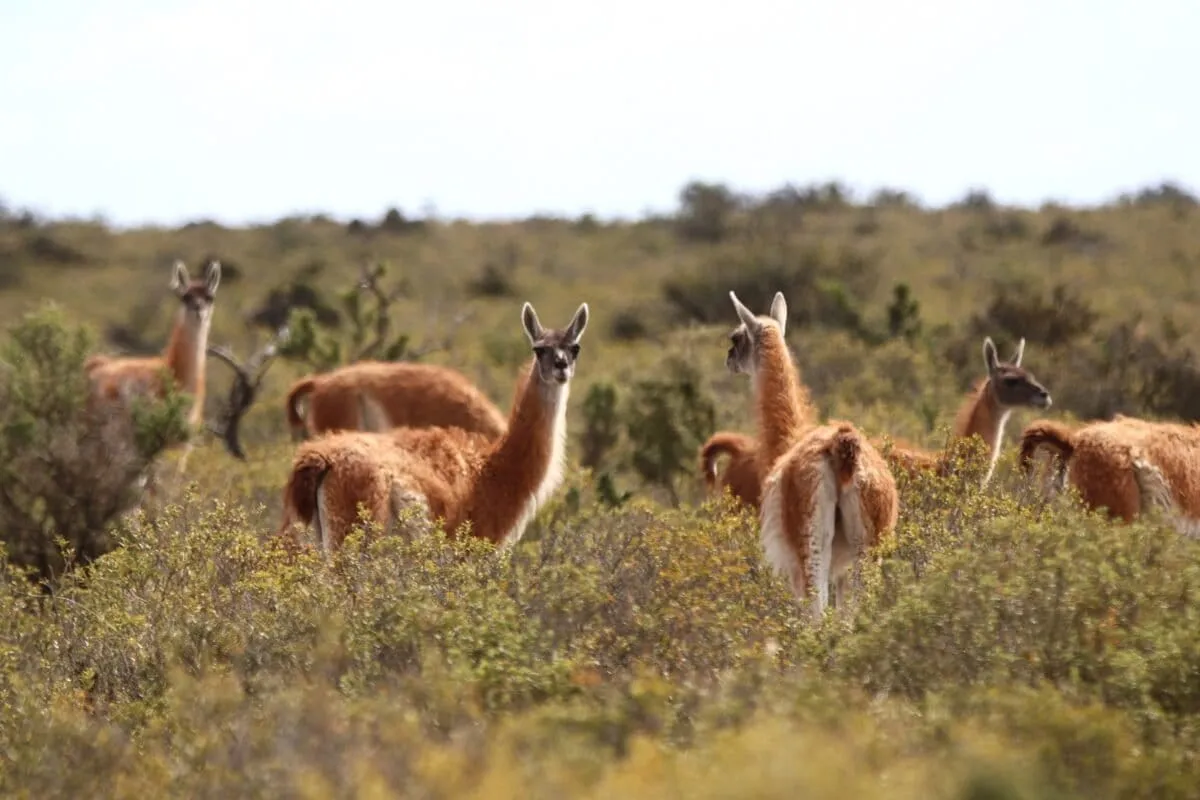
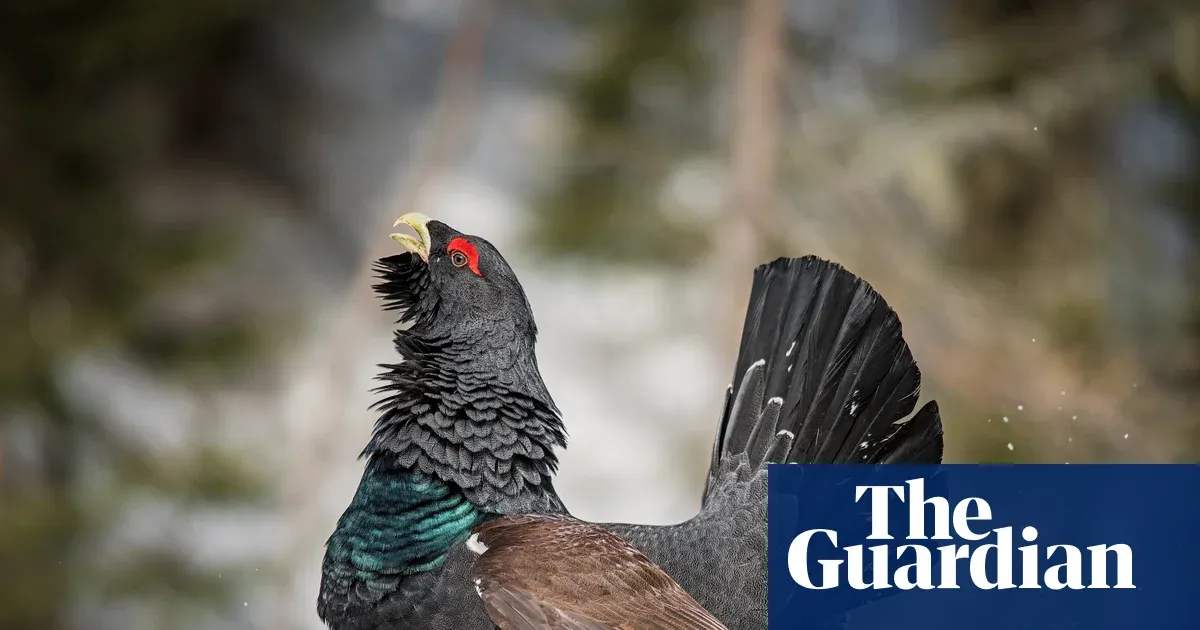
Three hundred years ago, Carl Linnaeus set out to name every living thing on Earth. He managed about 10,000 species before running out of time. Today, we're discovering more than that annually—and the pace is accelerating.
A new analysis in Science Advances tracked nearly 2 million species across all living groups. Between 2015 and 2020, researchers documented an average of 16,000 new species each year. That's 10,000 animals (mostly arthropods and insects), 2,500 plants, and 2,000 fungi, year after year. The trend shows no signs of slowing.
"Some scientists have suggested we're running out of new species to discover, but our results show the opposite," says John Wiens, the study's senior author at the University of Arizona. "We're finding new species at a faster rate than ever before."
We're a new kind of news feed.
Regular news is designed to drain you. We're a non-profit built to restore you. Every story we publish is scored for impact, progress, and hope.
Start Your News DetoxThis matters because a species can't be protected until it's formally described. Documentation is the first step in conservation. You can't save something if you don't know it exists. Right now, we know of about 2.5 million species, but the true number might be in the tens or hundreds of millions—or even the low billions.
The gap between discovery and extinction
Here's the encouraging part: the rate of new species discovery far outpaces extinction. Wiens' team calculated extinctions at roughly 10 species per year. Compare that to 16,000 discoveries annually, and the math tilts toward hope. These aren't just microscopic organisms either—they include insects, plants, fungi, and hundreds of new vertebrates each year.
The projections suggest we've barely scratched the surface. There might be as many as 115,000 fish species (we've only described 42,000) and 41,000 amphibian species (we know of 9,000). Plants could number over half a million. Each discovery shrinks the gap between what we know and what's actually out there.
Beyond conservation, new species discoveries unlock practical benefits. A weight-loss drug was inspired by a hormone found in Gila monsters. Gecko feet—capable of clinging to vertical surfaces—have inspired materials science. "We're still just scratching the surface of what these species can do for humanity," Wiens notes.
The research team plans next to map where most new species are found, identifying geographic hotspots for undiscovered biodiversity. They're also tracking who's making discoveries—shifting from predominantly European scientists to researchers documenting species from their own countries and regions.
Fifteen percent of all known species have been discovered in just the past 20 years. The work of naming Earth's life continues, and each discovery brings us closer to understanding what we actually have to protect.