While Bad Bunny's halftime performance dominated social media, the NFL quietly pulled off something less glamorous but arguably more significant: a 70,000-person event that produced zero net carbon emissions and sent nearly all its waste to new homes instead of landfills.
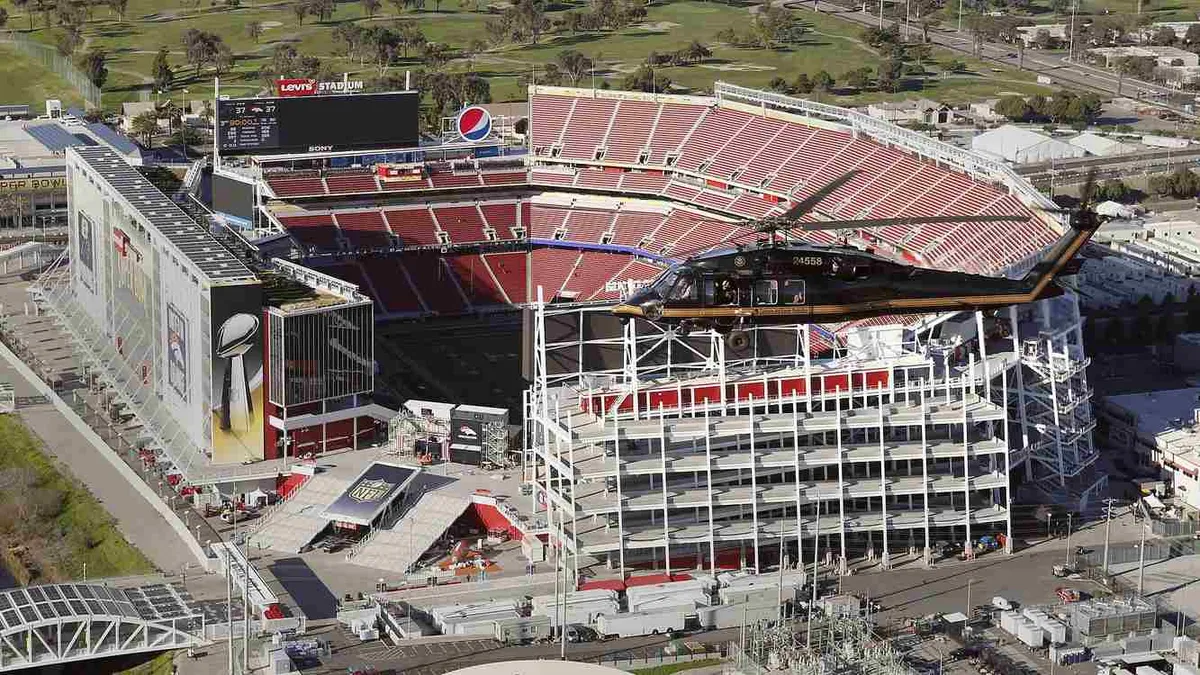
Super Bowl LX at Levi's Stadium in Santa Clara ran entirely on solar power, with biodiesel generators handling the rest. Working with sustainable resource management company ENGIE Impact, the NFL offset remaining emissions through carbon credits—tree-planting, direct-air capture technology, and other mechanisms. The result: a genuinely carbon-neutral Super Bowl, and possibly carbon-negative when you account for the stadium's existing solar infrastructure.
But the real story isn't the solar panels. It's what happened to everything after the game ended.
We're a new kind of news feed.
Regular news is designed to drain you. We're a non-profit built to restore you. Every story we publish is scored for impact, progress, and hope.
Start Your News DetoxFrom Trash to Community Assets
The NFL and ENGIE didn't just recycle. They reimagined waste as raw material for local needs. At the previous Super Bowl in New Orleans, 250 tons of materials were recovered and redirected—a five-fold jump from the Super Bowl before that. For LX, the material recovery extended far beyond standard recycling. Fence mesh that lined the stadium went to Bay Area parks and recreation departments. Leftover carpets from tailgate areas became carpet squares in classrooms. Blank-backed wayfinding signage found its way to local artists as canvases for new work. Scaffolding and non-branded infrastructure stayed in place to support FIFA World Cup signage later that summer.
"We always try to work with and prioritize organizations that can offer a large communal benefit," said Ryan Schlar, Director of Sustainable Mobile Operations at ENGIE. The strategy shifts by event based on what communities actually need—not a one-size-fits-all recycling program, but a targeted effort to match surplus materials with real demand.
Levi's Stadium's existing three-color waste bin system made this possible. ENGIE stationed staff throughout the venue to guide fans on proper disposal, turning waste management into something fans could actually participate in rather than ignore. The infrastructure was already there; the innovation was in scaling it and thinking creatively about what happens next.
What makes this noteworthy isn't just that a major sporting event went carbon-neutral—it's that the NFL did it without asking fans to sacrifice anything. No guilt-trip messaging, no "sustainability experience" that feels like penance. The event worked as designed, people had fun, and the environmental work happened in the background.
The NFL has committed to net-zero operations for future Super Bowls, which means this isn't a one-off achievement. As the most-watched annual sporting event in America, the Super Bowl now serves as a proof point that large-scale, high-energy events can run cleanly. The 2026 Super Bowl at Levi's Stadium is already tracking toward similar results.