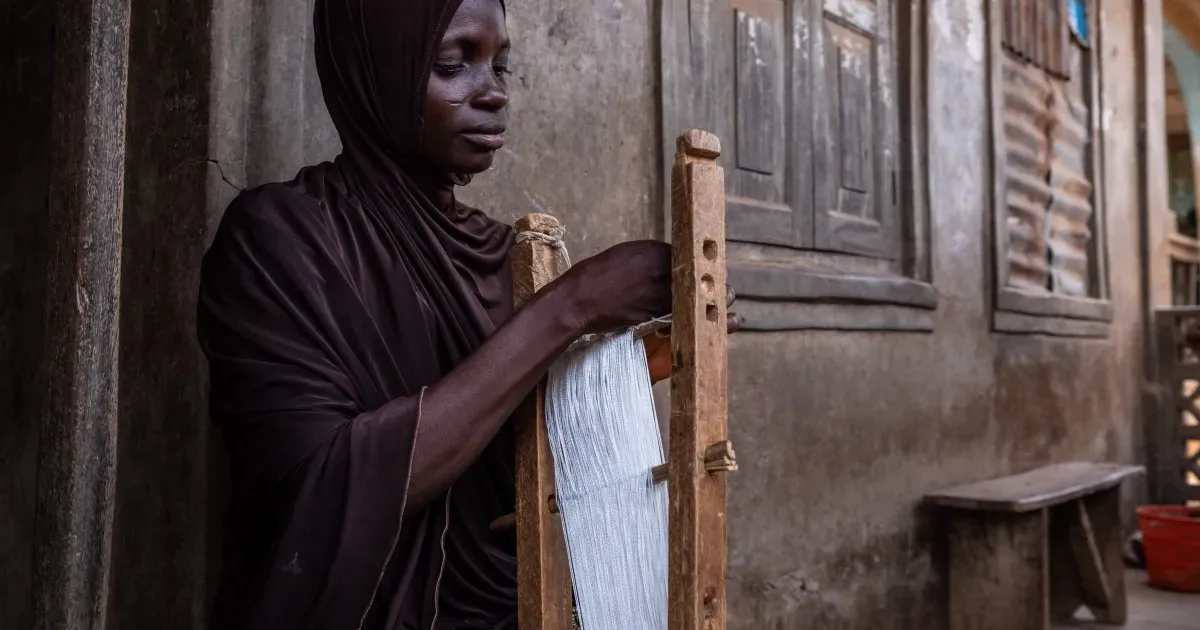
In Iseyin, a quiet town in southwestern Nigeria, local artisans are keeping alive the tradition of handweaving aso-oke fabric. This special cloth, native to the Yoruba people, is seeing a huge rise in demand both in Nigeria and around the world.
Nigerians living abroad and the growing global interest in Nigerian fashion and music are driving this popularity. Even with the increased demand, weavers in Iseyin insist on making aso-oke by hand. They believe this traditional method is key to the fabric's unique feel and look.
The Heart of Aso-Oke
Iseyin, about 200 kilometers from Lagos, is known as the home of aso-oke. Here, under the hot sun, colorful yarns and newly woven fabrics are spread out to dry. Weavers work diligently at wooden looms in weathered sheds. This craft has become a vital source of income, drawing young people, including university graduates, who come to Iseyin to learn the ancient skill.
We're a new kind of news feed.
Regular news is designed to drain you. We're a non-profit built to restore you. Every story we publish is scored for impact, progress, and hope.
Start Your News DetoxWaliu Fransisco, 34, is one such weaver. Ten years ago, he left his job as a nightclub singer in Lagos to learn aso-oke weaving. He now earns a good living and feels content with his choice.
Aso-oke means "the cloth from up country." It is a thick, often brightly colored fabric that is a staple in Nigerian fashion. It's used for traditional ceremonies, bold fashion statements, and everyday wear. Strips of aso-oke are often sewn onto other fabrics to add color and elegance. For example, Meghan Markle wore an aso-oke wrapper and shawl during her visit to Nigeria.
A Living Tradition
The steady rhythm of ancient wooden looms fills the air in Iseyin. This sound is the soundtrack to a tradition passed down through many generations. Aso-oke is more than just fabric; it's a cultural symbol and a mark of identity.
Historically, making aso-oke involved preparing threads from cotton or silk. This included cleaning, spinning, and dyeing fibers using traditional methods before setting them on looms. Back then, there were fewer color options.
Today, weavers like Abdulhammed Ajasa, 42, often use loom-ready threads that come in many colors, "mostly imported from China." Artisans spend hours arranging these threads on looms to create narrow, tightly patterned strips. These strips are then sewn together to form wider cloths for clothing and accessories.
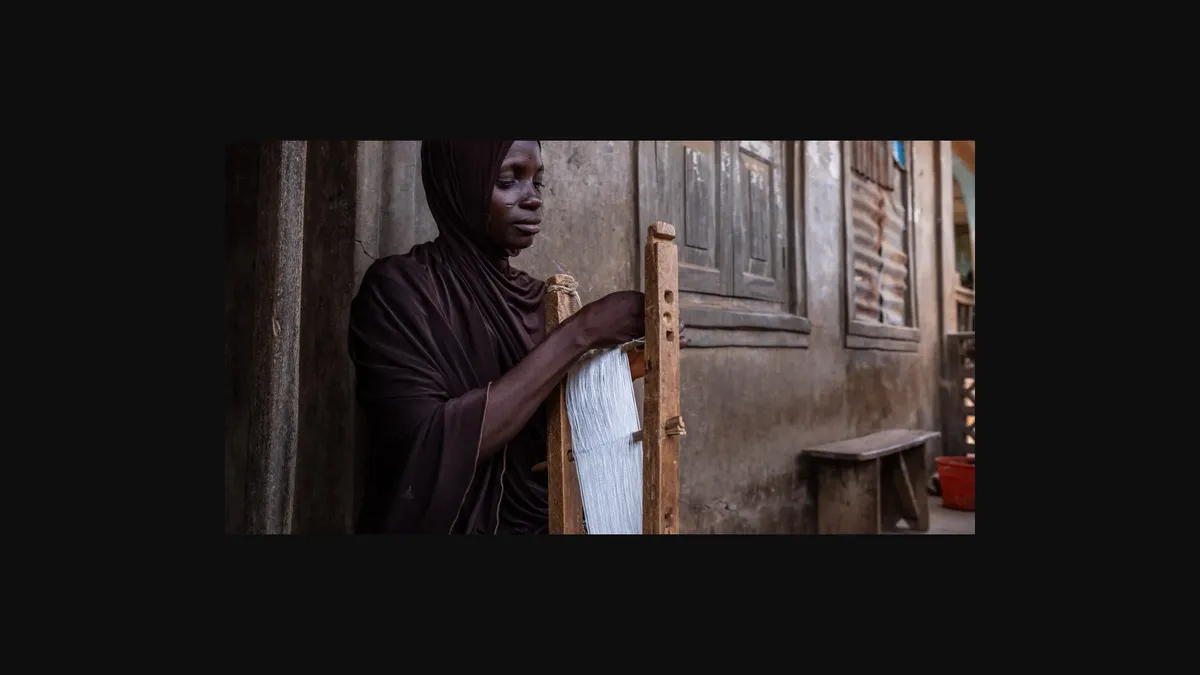
Kareem Adeola, 35, also a weaver, notes that this craft is what Iseyin is known for. He says, "We inherited it from our forefathers." The dedication of these artisans ensures that this important cultural heritage continues to thrive.