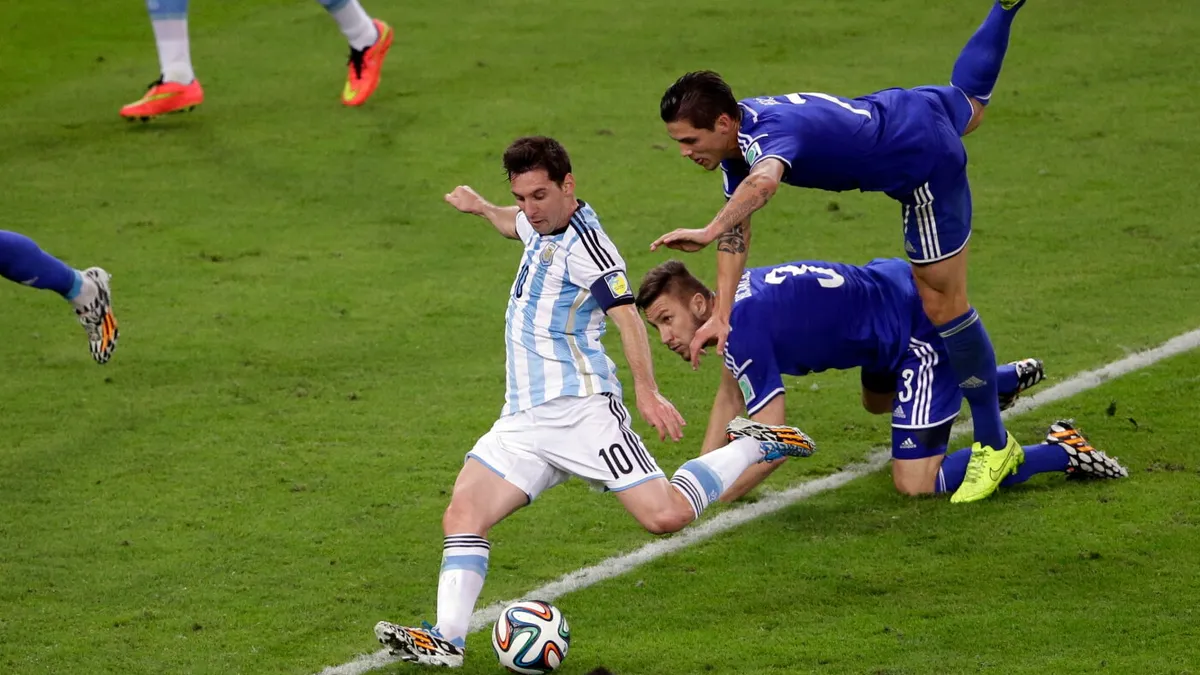
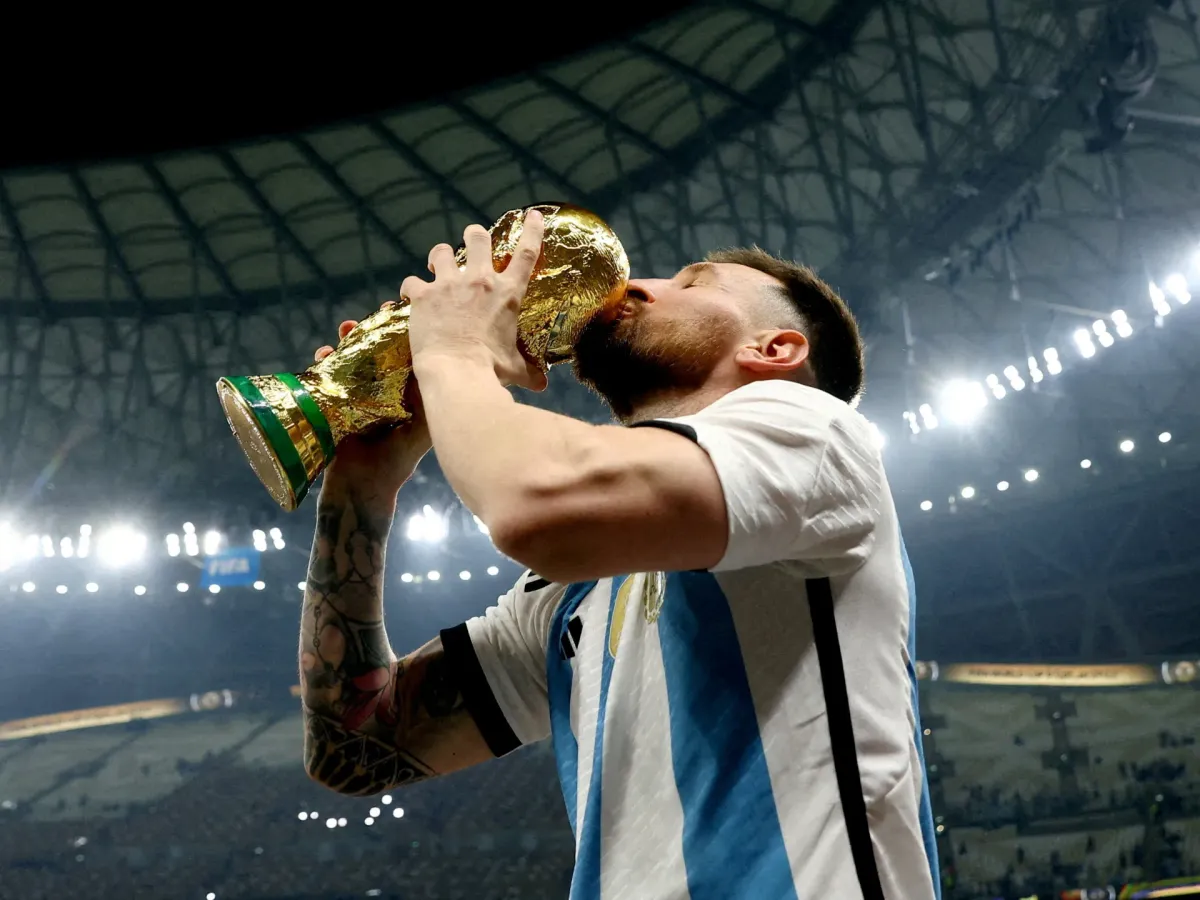
Buenos Aires is currently a sea of blue and white, which, for anyone who's ever tried to navigate a city-wide celebration, sounds both beautiful and slightly chaotic. The reason? Murals of Lionel Messi, glowing monuments, and football clubs nationwide singing their hearts out. Messi, the man who turned a nation's hope into a World Cup trophy, has announced his retirement from international football after two decades.
His departure, revealed in a handwritten letter on social media, wasn't entirely a shock. At 39, and having recently lost his father who was pivotal in his career, Messi felt he had "nothing else to give." A sentiment that probably resonates with anyone who's ever tried to win a World Cup and maintain a regular sleep schedule. But even anticipated goodbyes sting. Fans are devastated, wanting to retire his number 10 jersey – a gesture FIFA, in its infinite wisdom, apparently doesn't allow.
Messi's journey from a young talent to a national hero wasn't a smooth victory parade. For years, he faced the kind of criticism that could make a lesser mortal crawl under a rock, all for not delivering a World Cup win. Then came Qatar, and suddenly, Argentina had two heroes: Maradona, and now Messi, the man who united a country across its myriad political and social divides. Because nothing brings people together quite like a shared, improbable triumph.
We're a new kind of news feed.
Regular news is designed to drain you. We're a non-profit built to restore you. Every story we publish is scored for impact, progress, and hope.
Start Your News Detox"I saw Maradona; I saw many players – Kempes – but Messi is superlative," fan Carlos Sciata shared, summing up the feeling. His retirement is "like a bucket of cold water."
Let that satisfying number sink in: eight Ballon d’Or awards. A record. He's also Argentina's record appearance maker and scorer with 125 goals in 207 games. He transformed a rocky relationship with the national team into a story of redemption. Which, if you think about it, is both impressive and slightly terrifying for anyone who's ever had a difficult relationship with their own work.
Tributes have been pouring in, as expected. Angel Di Maria, his 2022 World Cup teammate, said it was "so hard" to imagine Argentina's sky blue and white without him. Rodrigo De Paul, another teammate, called him "the greatest of all time" and "eternal." Because apparently, that's where we are now: football legends achieving immortality.
What Now for Argentina?
Argentina's 1-0 loss to Spain in the World Cup final this year was a tough pill, but Messi's exit leaves an even bigger void. Questions are swirling about coach Lionel Scaloni and the future of the team he built around the Messi. Off the pitch, the Argentine Football Association (AFA) is grappling with investigations into corruption and financial issues. Because, of course, there’s always something.
But for now, it's a moment to bid farewell to an era. Messi represents a rare, shared source of happiness in a country that has seen its fair share of economic and political struggles. As he put it in his farewell, "I leave with the peace of mind and pride of having given you – alongside my teammates – moments we once only dreamed of." And really, what more could you ask for?