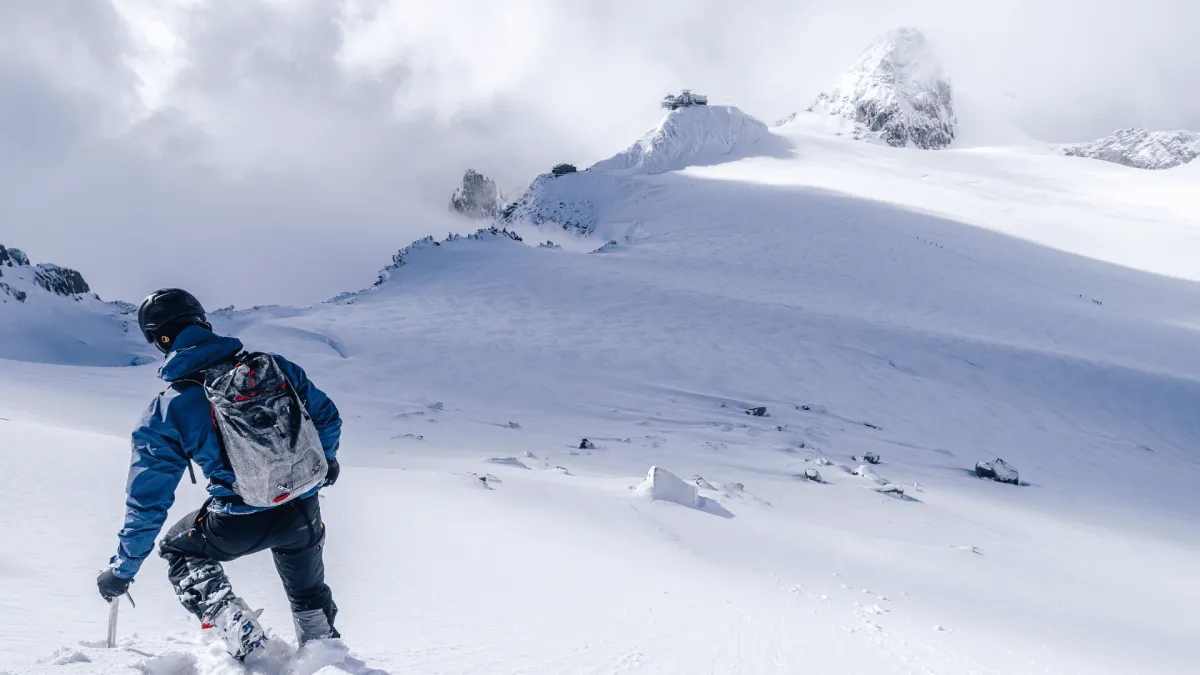
Imagine being 14,000 feet up Mount McKinley, a patient struggling to breathe, and zero way down. That's exactly where wilderness doctor N. Stuart Harris found himself, with limited supplies and a storm raging.
His patient, a veteran from a Wounded Warriors program, had chest pains and was gasping for air. Harris, now a chief at Mass General Hospital's Division of Wilderness Medicine, had to make a call with almost no options. He was honest about the dangers: running out of oxygen, no more meds. Luckily, the veteran recovered, likely from fluid in his lungs due to the high altitude.
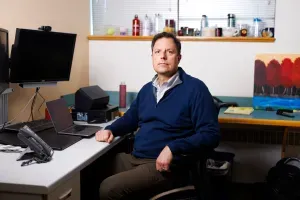
That intense moment taught Harris something crucial: sometimes, you just don't have all the answers. And that's okay.
We're a new kind of news feed.
Regular news is designed to drain you. We're a non-profit built to restore you. Every story we publish is scored for impact, progress, and hope.
Start Your News DetoxThe ER Isn't So Different
Turns out, making high-stakes decisions with incomplete info isn't just for mountain tops. It's an everyday thing in the ER too. Should a doctor insert a breathing tube? It's risky. But waiting too long can be even worse. Harris says a choice that looks risky on the surface can actually reduce the overall danger.
He argues that being too afraid of risk in our daily lives can actually blind us to bigger, hidden problems. It's a pretty wild thought, right?
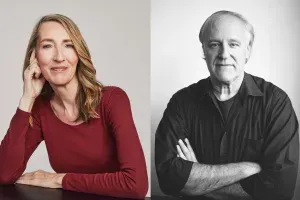
Harris knows a thing or two about risk. He was a rock climber, a whitewater rafter, even a firefighter. He’s practiced medicine after the 2011 tsunami in Japan and high in the Himalayas. He even helped create a course called "Medicine in the Wild" for med students.
His take? Smart risks build resilience. They teach you to bounce back from failure. And honestly, they make life a lot more interesting. This isn't about being reckless; it's about weighing the chances of something bad happening against how bad it could actually be. Harris has learned to focus on what he can control and let go of what he can't. He believes setbacks make us stronger, more interesting people. And he never gets frustrated with patients who get hurt doing something risky – because everyone makes mistakes.