A Nobel Prize winner has built a machine that does something counterintuitive: it pulls drinking water out of thin air, even in places where thin air is all there is.
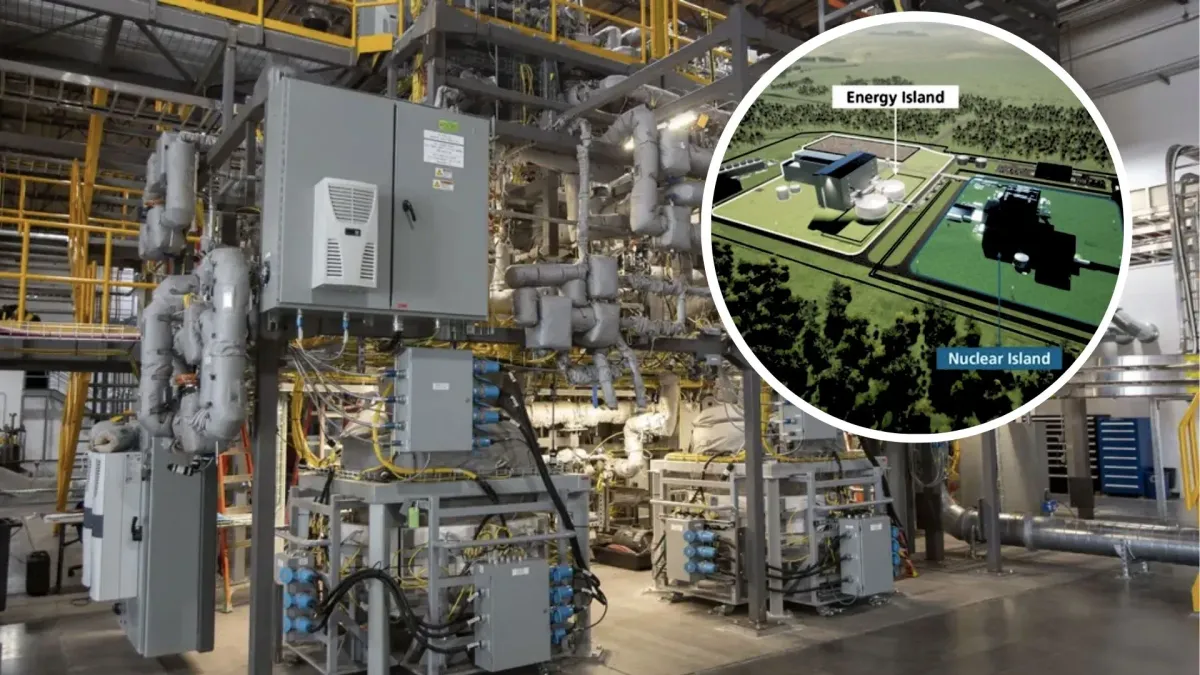
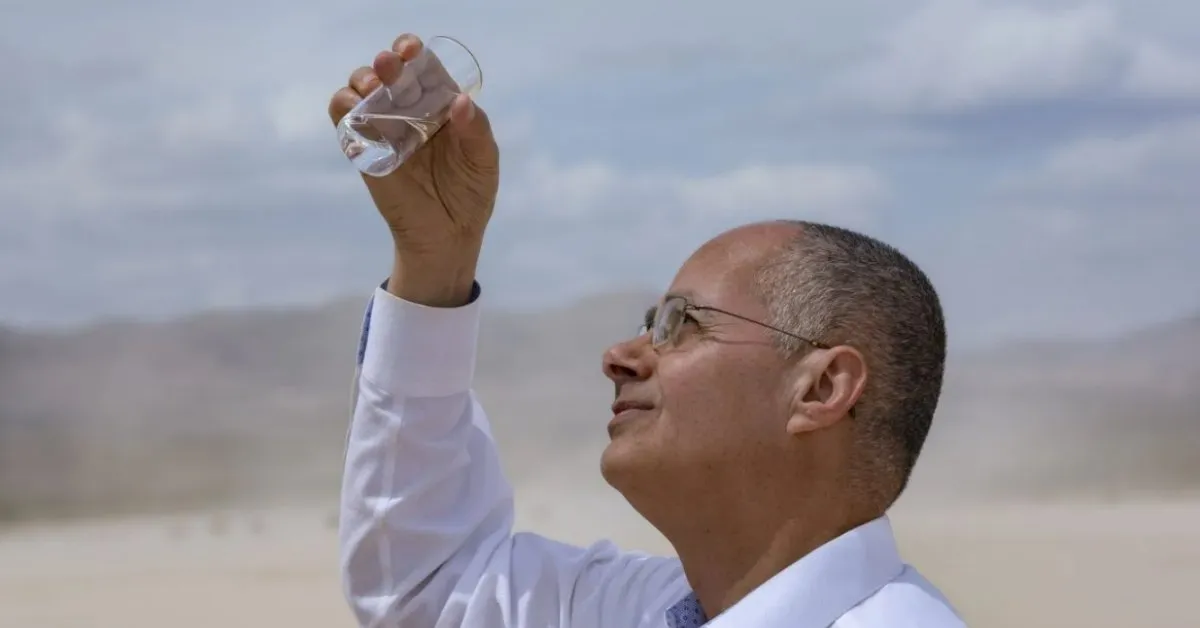
Omar Yaghi, who won the 2025 Nobel Prize in chemistry, tested his invention recently in Death Valley—one of Earth's driest places—and it worked. The device uses metal-organic frameworks (MOFs), highly porous materials that capture water vapor from even extremely dry air. Once collected, the moisture condenses into clean drinking water. Each unit, roughly the size of a shipping container, can generate up to 1,000 liters of water daily and runs entirely on low-grade heat, meaning it operates off-grid.
For context: about 2.2 billion people still lack safely managed drinking water. After hurricanes devastate island nations or droughts leave villages without infrastructure, water becomes scarce overnight. Yaghi sees his invention filling that gap—not as a replacement for traditional water systems, but as a lifeline for places where those systems don't exist or have broken down.
We're a new kind of news feed.
Regular news is designed to drain you. We're a non-profit built to restore you. Every story we publish is scored for impact, progress, and hope.
Start Your News Detox
Why This Matters Beyond the Technology
Yaghi's motivation isn't abstract. As a child in a refugee community in Jordan, he lived with water scarcity—the kind where neighbors whispered warnings when water trucks arrived, and you rushed to fill every container before the flow stopped. "The urgency as I rushed to fill every container I could find before the flow stopped," he recalled in his Nobel banquet speech. That childhood experience became his life's work.

What makes this story worth paying attention to isn't just that the technology works, but that it exists at all. Yaghi used his Nobel platform to push back against something invisible but critical: the barriers that slow down scientific breakthroughs. He urged world leaders to "remove barriers" and "protect academic freedom"—essentially arguing that inventions like this one don't emerge from bureaucratic caution. They come from researchers with the space to think differently.
The device's off-grid capability is the real breakthrough for implementation. Remote villages, disaster zones, and drought regions don't need a perfect solution—they need a working one that doesn't depend on infrastructure that doesn't exist. A shipping-container-sized machine powered by waste heat, generating 1,000 liters daily, is that solution.
Yaghi's next move is scaling production through Atoco, the company he founded. The question now isn't whether the technology works—Death Valley proved that. It's whether the political will and investment exist to deploy it where it's needed most.