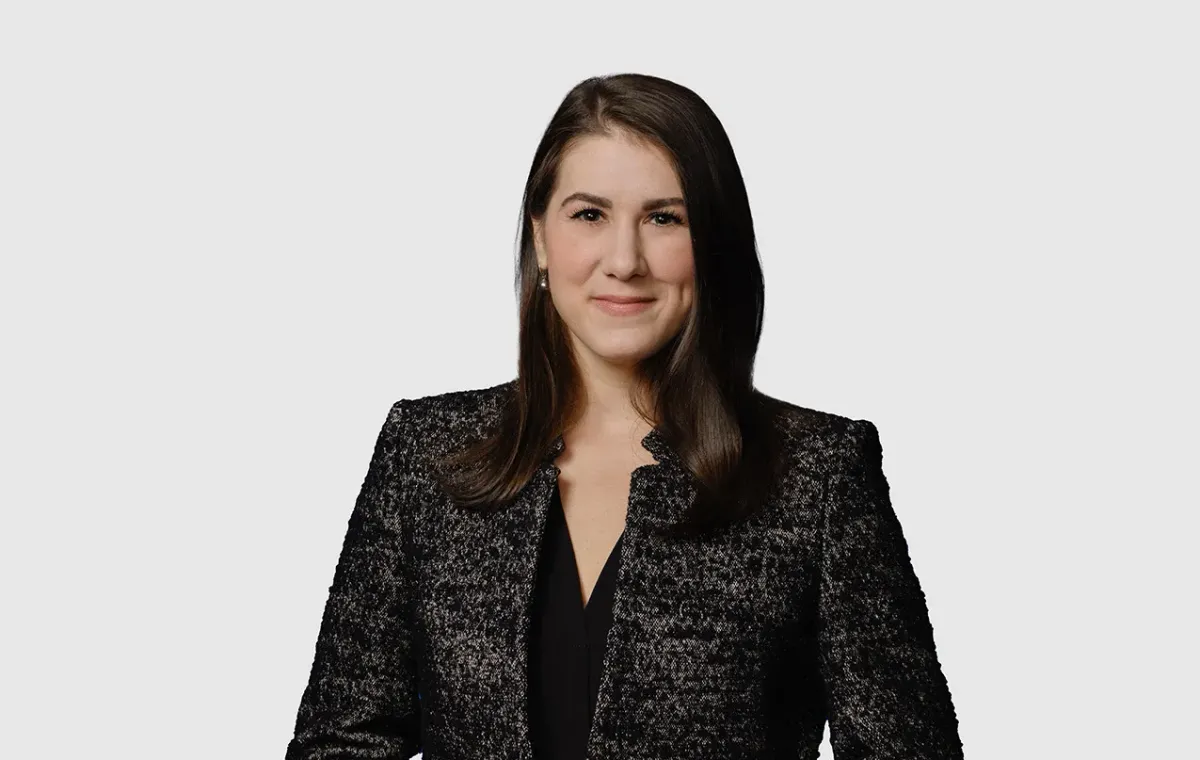
NPR, the venerable institution that often sounds like your smartest, calmest friend, just tapped Nadine Zylstra as its new chief content officer. Her mission? To drag NPR's news, music, and entertainment kicking and screaming (or, more likely, gently humming) into the digital age. This comes just two weeks after a newsroom shake-up, because apparently, that's how we keep things interesting now.
Zylstra isn't exactly new to the whole "digital content" thing. She's fresh from Pinterest, where she was global programming chief, and before that, she ran YouTube Originals. Oh, and she was a top programming executive for Sesame Workshop, the folks who brought you Sesame Street. So, if anyone knows how to capture attention and deliver meaningful messages, it's someone who's worked with both viral trends and Muppets.
From Celebrity Dirt to Civic Engagement
Born in South Africa, Zylstra's first gig in the U.S. was producing celebrity news for VH-1. A fascinating start for someone who then pivoted to Sesame Street and programs promoting understanding and empowering women. "I really feel like I've been training for this job my whole life," she said, clearly preferring to make the world better than just knowing who's dating whom.
We're a new kind of news feed.
Regular news is designed to drain you. We're a non-profit built to restore you. Every story we publish is scored for impact, progress, and hope.
Start Your News DetoxNPR President and CEO Katherine Maher is, understandably, thrilled. She pointed to Zylstra's history with Sesame Street and Pinterest's reputation for fostering positive online environments. Basically, Zylstra knows how to make content that matters and how to make sure people actually see it without getting into a flame war.
Gary Knell, who's been CEO of both Sesame Workshop and NPR (because apparently, the world of public media is smaller than you think), described Zylstra as a "creative magnet for talent" with "positive vibes." He recalled her helping develop a multiracial children's show in South Africa and later in places like Kosovo. So, she's not just about clicks; she's about impact, even when the internet isn't involved.
Zylstra will oversee everything from NPR's newsroom and music department to its podcasts. However, and this is crucial, she won't be making any news decisions. NPR Editor-in-Chief Tommy Evans will keep full control over the journalism, reporting to Zylstra only on strategic matters. It's like having a brilliant chef who also understands marketing — the chef still cooks, but the marketer makes sure everyone knows about the delicious meal.
The Shifting Sands of Sound
NPR is a broadcast titan, reaching over 42 million people weekly. That's a huge number, even if it's seen a slight dip. Their Tiny Desk Concert series alone has 12 million YouTube subscribers and has spawned radio shows and international deals. Their Planet Money podcast even dropped a best-selling book. Let that satisfying number sink in.
But even giants face headwinds. Broadcast audiences are shrinking, news fatigue is real, and while NPR is a podcast powerhouse, it lost its top spot to iHeartRadio, which simply repackaged its existing radio shows into podcasts. The audacity. Then there's the political climate, which has seen federal funding cuts (though NPR itself gets only 1-2% from the feds, member stations rely on it more).
Zylstra sees these rapid changes not as a threat, but an opportunity. "If somebody is searching for you, you've got to be there," she said. It's a simple idea, really: know your audience, know your mission, and make sure they connect. Which, if you think about it, is both impressive and slightly terrifying in its simplicity. She starts in July, ready to bring her particular brand of digital magic to the airwaves and beyond.