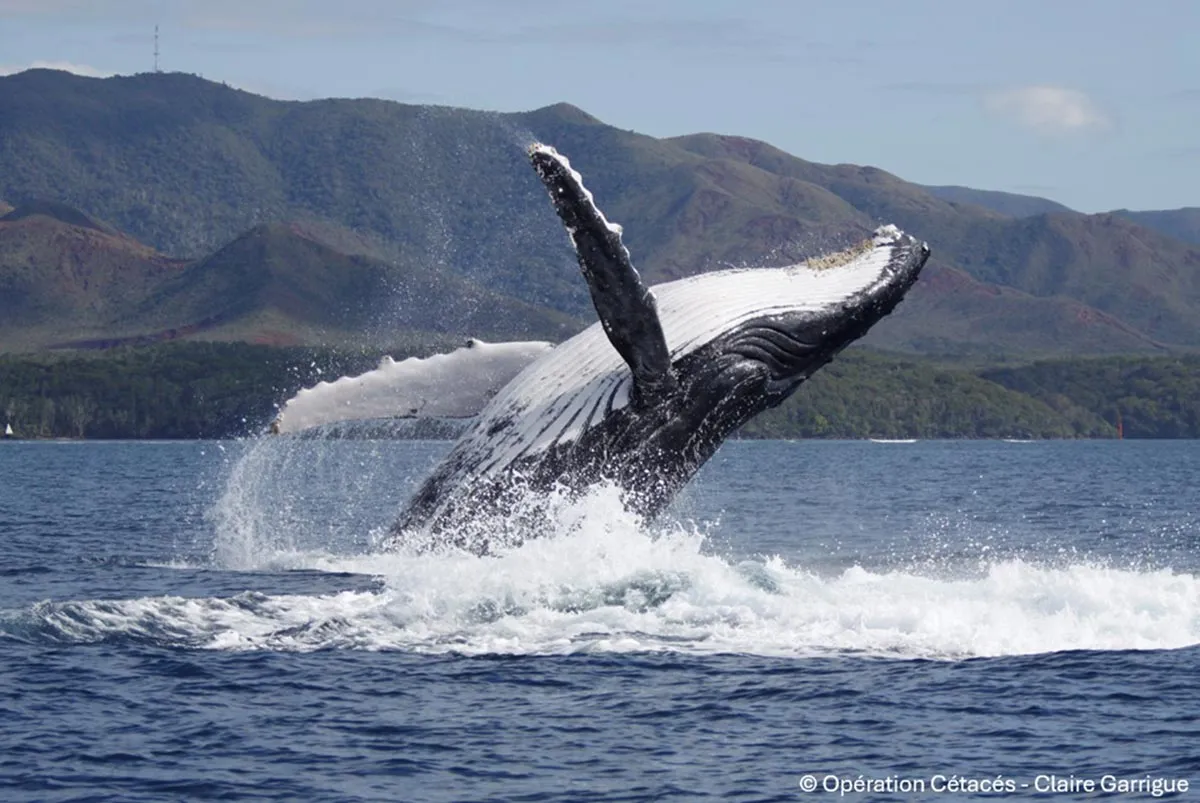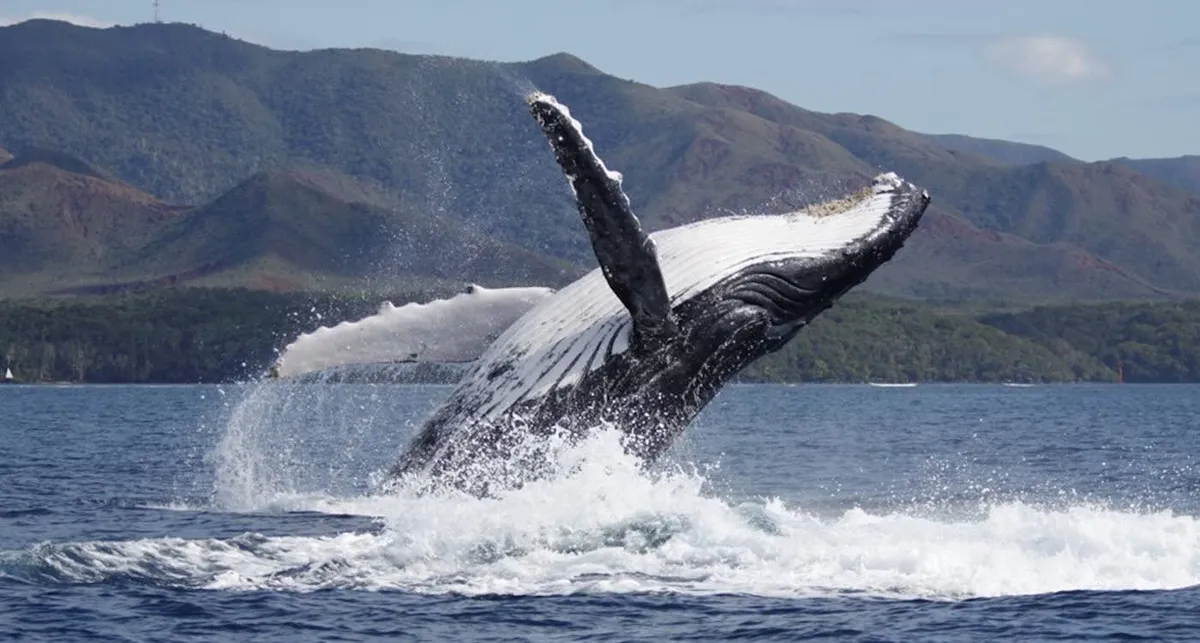
After decades of hunting drove humpback whales toward extinction, their populations are finally rebounding. But recovery isn't just about more whales—it's reshaping which males get to pass on their genes, and the reason is surprisingly musical.
Researchers at the University of St. Andrews analyzed 20 years of genetic data from humpback whales breeding near New Caledonia in the South Pacific. What they discovered challenges everything we thought we knew about which males dominate breeding grounds. In the early stages of population recovery, younger males had the edge. But as populations grew healthier, older males increasingly fathered more calves—and the difference became stark.
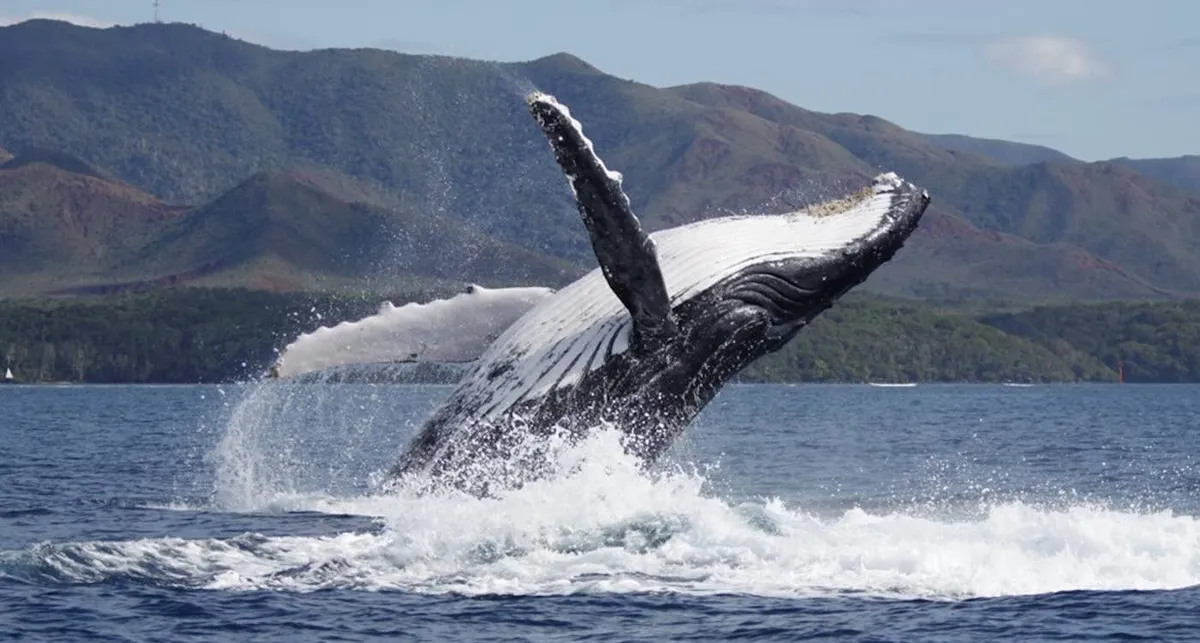
The shift points to a single advantage: song mastery. Male humpback whales produce some of the ocean's most elaborate vocalizations—complex, layered performances that can travel vast distances across breeding grounds. These aren't simple calls. They're learned, refined over years, improved through repetition and social learning. Younger males are still developing their repertoire. Older males have spent decades perfecting it.
We're a new kind of news feed.
Regular news is designed to drain you. We're a non-profit built to restore you. Every story we publish is scored for impact, progress, and hope.
Start Your News Detox"As the population recovered, there were more older males than expected singing, escorting females, and successfully fathering calves compared to younger animals," said Dr. Ellen Garland, senior author of the study published in Current Biology.
What makes this finding remarkable is the invisible fingerprint of whaling still visible in whale reproduction today. Commercial whaling decimated populations so thoroughly that it fundamentally altered the age structure of surviving whales. The recovery we're witnessing now isn't just a return to old numbers—it's a slow reordering of social hierarchies and reproductive success as populations age naturally again.
The Long Echo of Industrial Whaling
Females appear to have become more selective as populations stabilized, favoring males with the strongest performances and most refined songs. This selectivity mirrors what happens in many species under less pressure: when resources are abundant and competition intense, females can afford to be choosy. They're betting on quality—on males whose proven ability to master complex behavior suggests genetic fitness.
The research required a methodological breakthrough. Humpback whales have never been observed mating in the wild, making paternity impossible to determine through direct observation. Scientists used genetic analysis combined with an "epigenetic molecular clock"—a technique that estimates individual age from just a small piece of whale skin. This tool, unavailable a decade ago, finally made it possible to connect which males were actually reproducing.
Dr. Franca Eichenberger, the study's lead author, emphasized what this means for understanding whale recovery more broadly: "It is only now, as whale populations recover and new analytical tools become available, that we are beginning to understand how far-reaching the consequences of whaling truly are. The impacts extend beyond population size—they shape behavior, competition, and reproduction."
Humpback populations in Australian waters have now exceeded pre-whaling levels, a genuine conservation success. But this study reveals that recovery involves more than biomass bouncing back. Whale societies themselves are reorganizing. Younger males are learning songs from older mentors. Females are exercising preference. Breeding grounds are shifting from a scramble for mates to a competition where experience and skill increasingly matter.
It's a reminder that when we damage ecosystems, the scars don't just measure in lost numbers—they echo through behavior, culture, and social structure for generations. And when populations do recover, they don't simply return to what was lost. They evolve into something new, shaped by the pressures that nearly destroyed them.