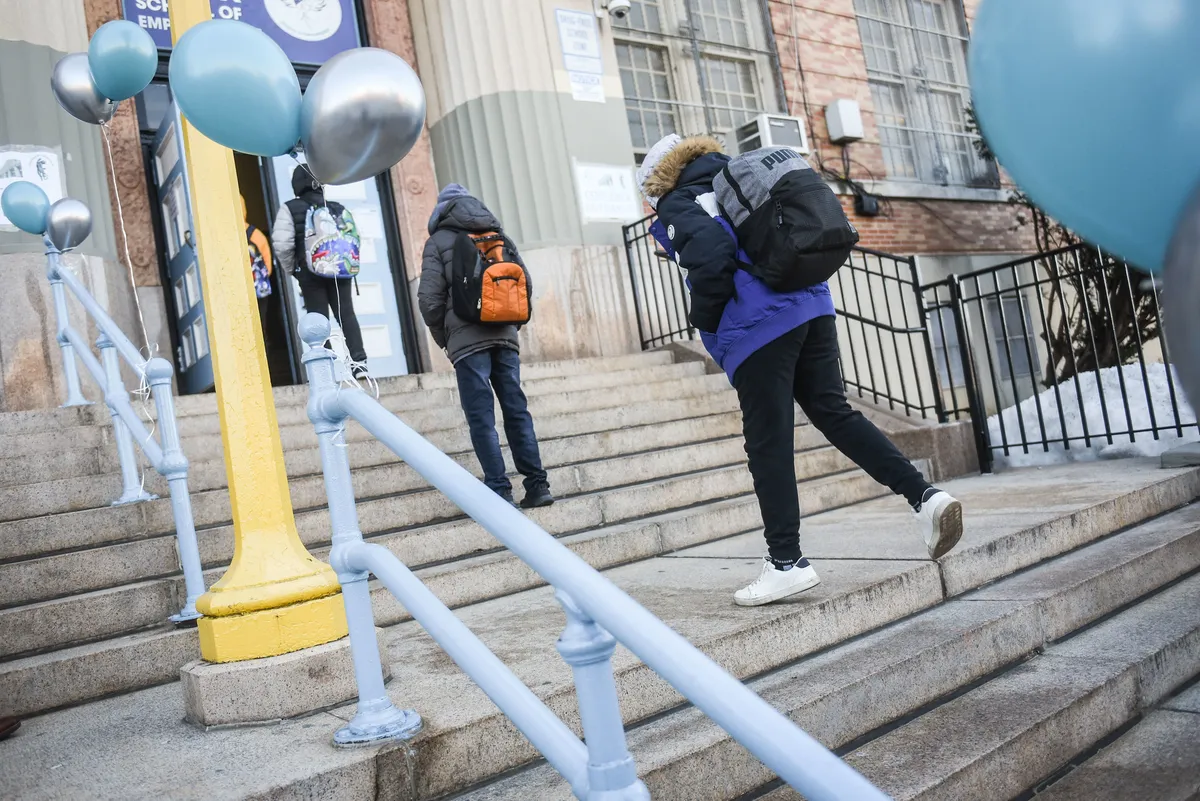
Nearly a million students in New York City pass through metal detectors each school day—not because weapons are common, but because the system defaulted to surveillance instead of care. For many of them, especially those already anxious around law enforcement, that NYPD presence doesn't feel like safety. It feels like being watched, judged, and distrusted by the adults who are supposed to help them learn.
But something is shifting. The city's largest school district is quietly moving away from the punishment reflex—the suspensions, expulsions, and arrests that have historically followed a kid's behavioral crisis—toward something that actually addresses what's happening underneath the behavior: untreated anxiety, trauma, depression, or the kind of stress that makes a six-year-old end up in handcuffs.
From Crisis to Prevention
The numbers tell a stark story. According to a 2023 NYC Council report, the youngest student arrested in the system was eight years old. Black students are arrested, restrained, and handcuffed at disproportionately higher rates, and are more likely to be restrained while actively in crisis. These aren't discipline problems. They're health crises being treated as crimes.
We're a new kind of news feed.
Regular news is designed to drain you. We're a non-profit built to restore you. Every story we publish is scored for impact, progress, and hope.
Start Your News DetoxWhen a student acts out because their mental health is deteriorating, most schools have had only two tools: punishment or police. Both push kids out of the classroom. The alternative—actually available in less than 20% of NYC public schools right now—is school-based mental health care. A therapist or counselor in the building. No referral forms. No insurance gaps. No cultural stigma. Just access.
The research is clear: students with access to mental health services in school show fewer behavioral incidents, better grades, and a stronger sense of belonging. One in five NYC adolescents report unmet mental health needs. Schools are where 70% of young people first access mental health treatment. The logic is simple: meet them where they already are.
The Momentum Building
In 2024, NYC Health + Hospitals announced plans to open 16 new mental health clinics in public schools. The City Council has thrown significant support behind student mental health and peer-led initiatives. These aren't theoretical proposals—they're happening.
But the system is still fragmented and under-resourced. The city spends roughly $300 million annually on school policing. Reallocating even a fraction of that toward mental health staffing, infrastructure, and Medicaid reimbursement would transform what's possible. A sustainable, citywide strategy doesn't exist yet. That's the gap.
What comes next depends on whether the city treats this shift as a pilot program or a fundamental reimagining of school safety. Real safety—the kind that lets a kid focus on learning instead of survival—requires showing up for students' mental health as seriously as we show up with metal detectors. The tools are proven. The need is urgent. What's missing is the commitment to make it universal.