
In Israel, Orthodox Jewish women can now take the official rabbinic exams. This change comes after a long court battle. Previously, only men were allowed to take these tests.
While Israel's Orthodox religious leaders still do not officially ordain women as rabbis, this new rule is a big step. It could help women qualify for other leadership roles. These include public service jobs that run state-funded religious services.
Advocates see this as a major moment for Orthodox Judaism. It expands women's roles as experts in Jewish religious law.
We're a new kind of news feed.
Regular news is designed to drain you. We're a non-profit built to restore you. Every story we publish is scored for impact, progress, and hope.
Start Your News DetoxDr. Ruth Agiv, a 44-year-old dentist, was one of the first three Orthodox women to take the exam in April. She believes women should be included in the world of Torah. "It belongs to us," she said.
A Slow Shift for Orthodox Women
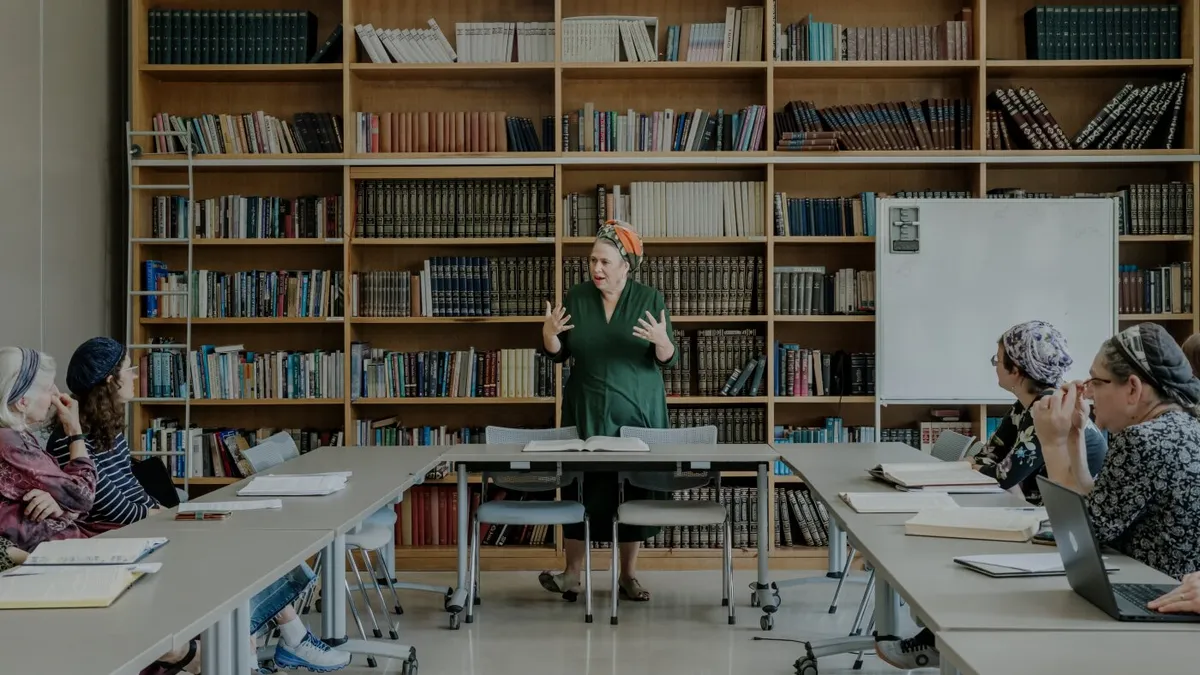
The three women took a nearly six-hour rabbinic exam. It tested their knowledge of Jewish religious laws about mourning. Their female teachers greeted them with singing and flowers afterward.
Rabbanit Batya Krauss, one of the teachers, called it breaking the "glass ceiling of learning" in Israel. Krauss teaches at Matan, an institute for advanced Jewish religious studies for Orthodox women.
For many generations, only men pursued advanced religious studies. Krauss mentioned the film Yentl, where a woman disguised herself as a man to study the Talmud. This shows how hidden women's learning once was.
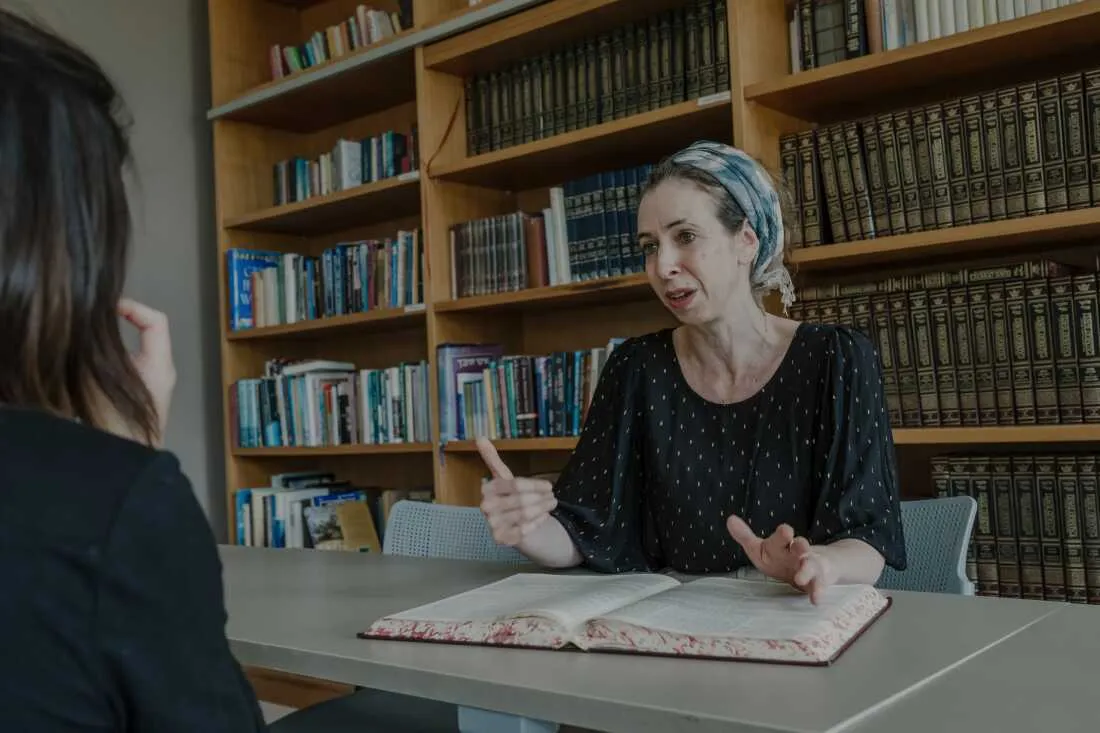
In recent decades, several institutes have started offering advanced Jewish religious studies to women. Krauss noted that Orthodoxy changes slowly, but the world is changing quickly. While liberal Jewish groups have ordained women rabbis for decades, most Orthodox communities have resisted.
An Eight-Year Legal Fight
To become an officially recognized rabbi in Israel, men must complete tough studies and pass state exams. Women were not allowed to take these tests until the Jewish advocacy group ITIM started working on their behalf.
Rabbi Seth Farber, the leader of ITIM, tried to talk with Israel's religious officials. Six years ago, a director general told him that women would never study these texts. Farber said the official stated, "Over my dead body will women ever study texts like this."
ITIM filed a lawsuit that went to the Israeli Supreme Court. The court ruled in favor of the women, ordering the state to open the exams to them.

Rabbinate's Resistance Continues
Late last year, Israel's chief rabbis expressed "deep regret" over the Supreme Court's decision. They called it "interference in topics carrying implications in Jewish religious law." They stated their mission is to protect Israel's Jewish character and traditions.
After the court ruling, the rabbinic authorities refused to give exams to anyone, men or women, for over six months. Farber said they preferred not to test men rather than test women.
ITIM went to court again. The court then ordered Israel's religious authorities to administer the exams. In April, the first group of women finally took the test. The court also ordered the religious authorities to pay ITIM about $5,000 for court fees.

The Israeli Chief Rabbinate was supposed to give a second test in July, but it has delayed it for several months without explanation. Farber believes this raises questions about their willingness to follow the Supreme Court's ruling.
Farber said that the movement to recognize women's Torah scholarship cannot be stopped. He believes women will eventually be ordained rabbis, even if it doesn't happen in his lifetime.
For the women who took the exam, the goal is not just a formal title. It's about gaining knowledge and authority. Dr. Ruth Agiv wants to be a recognized expert in Jewish law. This would allow her to offer religious guidance to women, a role often filled by men. She noted that this was just her first test and she has much more to learn.