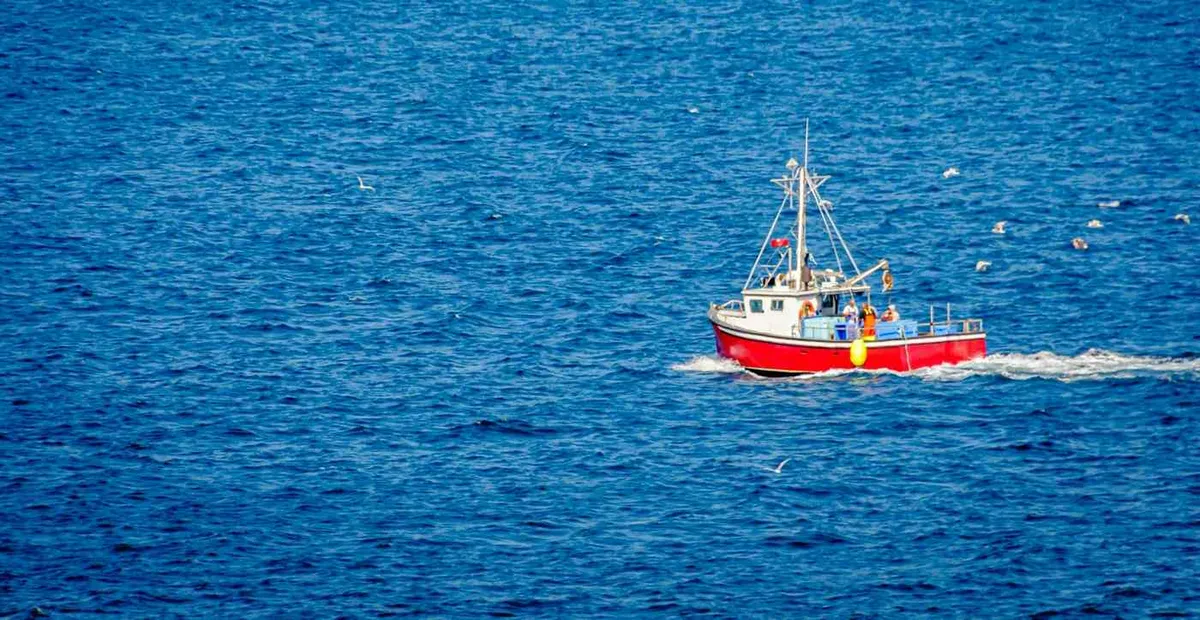
In the 1990s, California's fishing grounds were in crisis. Bottom trawlers—massive nets dragged across the seafloor—had decimated groundfish populations like sea bass and rockfish so thoroughly that fishery managers declared it a disaster. The problem was partly ignorance: no one fully grasped how slowly these fish grew, how long they lived, or how fragile they were to overharvesting. Catch limits got set too high, and the stocks collapsed.
What happened next is the kind of thing that rarely makes headlines: steady, unglamorous repair work that actually worked.
Starting in the early 2000s, California implemented a multi-layered recovery plan. First came the buyback: $46 million paid to trawler operators to take their boats out of service, shrinking the fleet. For the vessels that remained, new rules kicked in—onboard observers to monitor catches, stricter gear restrictions, and mandatory bycatch-reducing devices. Eventually, a near-total trawling ban was imposed across most California fisheries. The state also created protected breeding zones for rockfish and cowcod, giving spawning populations space to recover.
We're a new kind of news feed.
Regular news is designed to drain you. We're a non-profit built to restore you. Every story we publish is scored for impact, progress, and hope.
Start Your News DetoxBy 2011, something shifted. Most of the 90-plus managed groundfish stocks started recovering, and some bounced back faster than scientists had predicted. The Marine Stewardship Council began certifying these stocks as sustainably managed. Today, only one species—yelloweye rockfish—remains overfished, and even that has a recovery target of 2029.
The broader picture is striking. In 2024, NOAA reported that 94% of fish stocks in US oceanic and gulf waters are no longer being overfished. That's an all-time high, and it includes these rebuilt California groundfish. It's the kind of metric that gets buried in policy documents, but it represents something tangible: a reversal of decline that took decades of discipline and willingness to change how an entire industry operated.
This wasn't a quick fix or a lucky break. It was evidence-based policy meeting economic incentives meeting habitat protection. And it suggests that when we actually commit to understanding what's broken and give ecosystems space to heal, recovery is possible—even at scale.