Turns out, rapid weight loss from popular GLP-1 drugs like Ozempic and Wegovy isn't just targeting your love handles. It's also going after your glutes. The result? A phenomenon some users are wryly calling "Ozempic butt." Because apparently, a deflated derrière is now a thing.
New research, hot off the presses in Nature Medicine, suggests that up to a third of the weight shed by these miracle jabs can be muscle, not just fat. And while losing a few pounds of muscle might not sound like the end of the world, it can lead to some rather noticeable aesthetic changes. Hence, the nickname.
Enter apitegromab, a new experimental drug that sounds like it was invented by a frustrated plastic surgeon. In a trial of 102 adults, mostly women, those who took apitegromab alongside their weight-loss medication managed to hold onto significantly more muscle. They still lost the fat, mind you, but without sacrificing the sculpted look.
We're a new kind of news feed.
Regular news is designed to drain you. We're a non-profit built to restore you. Every story we publish is scored for impact, progress, and hope.
Start Your News DetoxThe Unintended Consequences of Rapid Slimming
GLP-1 drugs work by making you feel full faster and for longer, which naturally leads to less eating and, well, less of you. The problem isn't the drug itself, but the sheer speed at which the weight comes off. Your body, in its infinite wisdom, decides to shed both fat and muscle when it's in a caloric deficit. And unlike fat, muscle is a lot harder to rebuild once it's gone.
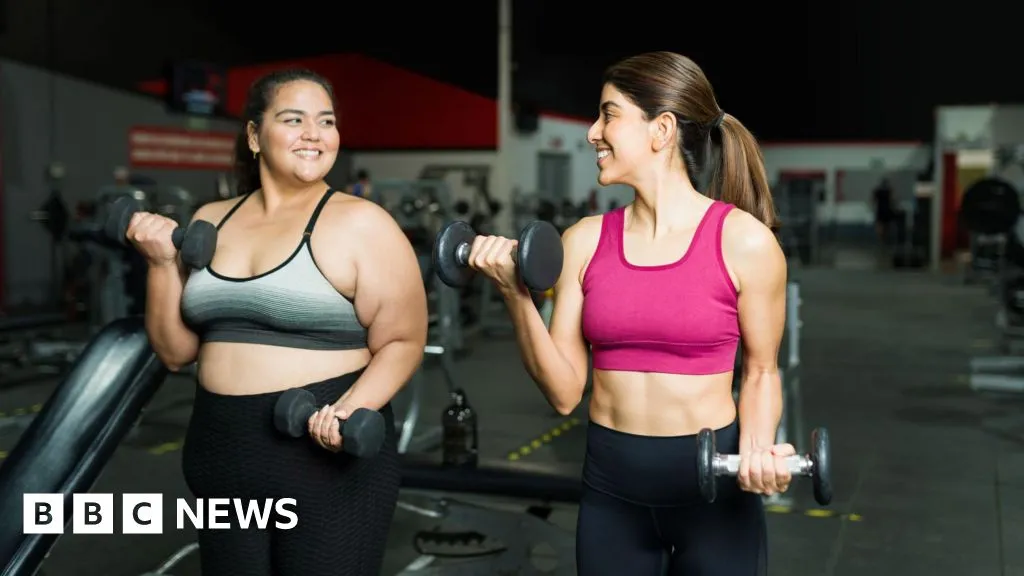
This isn't just about how your jeans fit. Muscle is crucial for strength, mobility, and overall health. That's why health experts already recommend a protein-rich diet and strength training for anyone on these meds. They're meant for serious obesity management, not a quick "beach body" fix, though some people certainly try.
Apitegromab's secret weapon? It blocks a specific protein that causes muscle breakdown. In a six-month trial using Mounjaro, participants on apitegromab kept about 1.9 kg (that's 55%) more lean mass than the placebo group. To put that in perspective: lean mass made up 14.6% of total weight loss in the apitegromab group, versus a whopping 30.2% in the dummy treatment group. Let that satisfying number sink in.
Currently, you can only get apitegromab via IV in clinical trials. But the company funding the research is already dreaming of a future where you could self-inject it with a pen, just like your GLP-1 shot. Because, convenience.
No Gym Required
While this new drug is promising, experts like Dr. Marie Spreckley say we need bigger, longer studies to confirm it actually improves long-term strength and well-being. In the meantime, you don't need a fancy gym membership to protect your precious muscle mass.
Anything that makes your muscles work harder than usual counts. Think lifting weights, resistance bands, even heavy gardening or climbing stairs. The NHS suggests aiming for two sessions a week. And don't forget the protein: aim for 20-40g per meal. That means filling a quarter of your plate with things like meat, fish, beans, or lentils. And yes, yogurt and nuts count as snacks.
So, while we wait for the science to catch up to our vanity, it seems the best defense against "Ozempic butt" might just be a little old-fashioned heavy lifting and a decent plate of chickpeas.