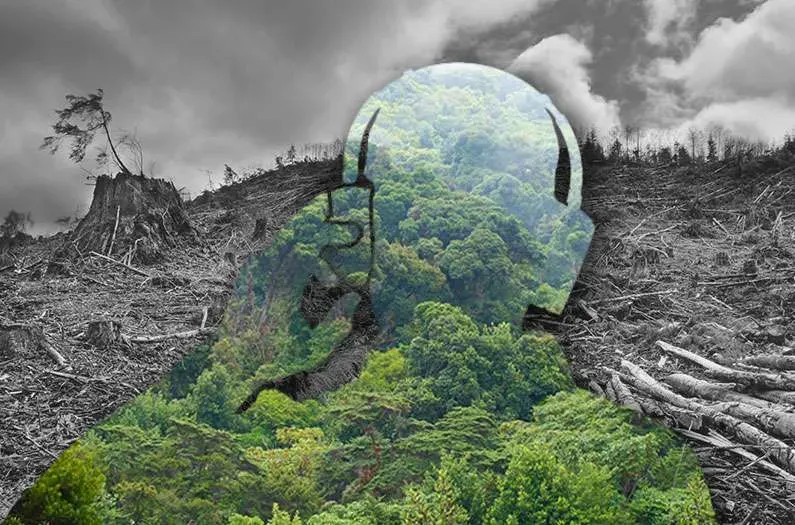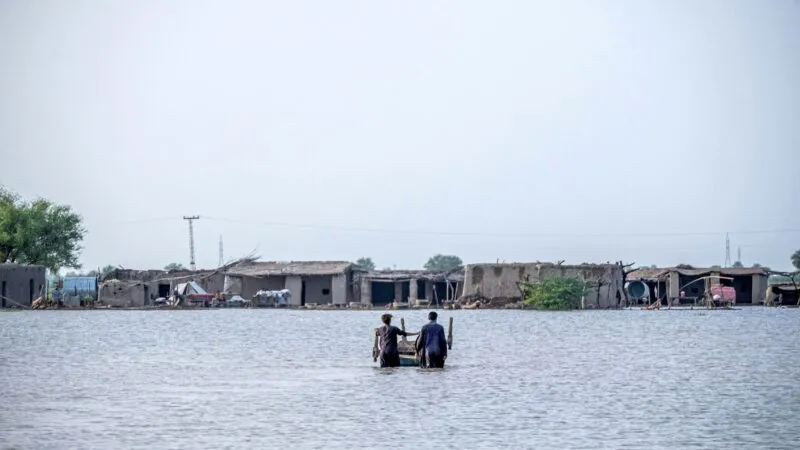

Muhammad has been waiting nearly a decade for a court to rule on his petition against illegal deforestation in his village. He's back in court again. "I just want them to rule in my lifetime," he says quietly.
His case represents something genuinely significant: Pakistan's judiciary has quietly built one of the world's most sophisticated climate law frameworks. Over the past 20 years, the country's superior courts have developed a body of climate jurisprudence that other nations now study and cite. It started with a 1994 case that established a constitutional right to a clean environment, then deepened in 2015 when the Lahore High Court declared that environmental protection had become central to constitutional rights. As recently as May 2025, a court went further still, criticizing both the government and environmental agencies for failing to protect mountain ecosystems — moving beyond traditional pollution concerns into broader conservation.
Parliament has backed this up too, enshrining environmental protection in the 26th Constitutional Amendment.
We're a new kind of news feed.
Regular news is designed to drain you. We're a non-profit built to restore you. Every story we publish is scored for impact, progress, and hope.
Start Your News DetoxThe gap between law and justice
But here's the catch: having the right laws on the books doesn't mean the people who need them most can actually use them.
According to a UN Environment Programme report from October 2025, climate litigation globally depends on three things that Pakistan largely lacks: strong civil society networks, a culture of public interest litigation, and access to specialized legal expertise. The result is a kind of legal infrastructure that works brilliantly — if you can afford it.
Muhammad's case survived only because a local NGO covered his litigation costs. But as NGO funding shrinks across Pakistan, fewer organizations can take on these cases. The environmental tribunals created specifically to hear these disputes sit mostly empty, not because the cases aren't valid but because the people with grievances can't reach them.
There's also a narrowness problem. Climate law in Pakistan has been built by what Rafay Alam, one of the country's leading environmental lawyers, calls "a small family of sorts." A handful of judges have authored the major climate decisions. A small circle of lawyers specializes in environmental cases. Most law schools don't teach the subject at all, and those that do charge fees that exclude middle- and low-income students. The expertise exists, but it's concentrated and inaccessible.
Then there are the infrastructure projects. When the World Bank or Asian Development Bank finance major development, their safeguard standards are often stricter than Pakistan's domestic laws. But as one legal scholar notes, these banks "claim to uphold high standards" while being "ultimately focused on project approval." A fully functioning environmental tribunal that could slow or stop a project isn't welcome.
What needs to happen next
Pakistan's courts have done something remarkable — they've created the legal architecture for climate justice. But architecture alone doesn't shelter anyone. The real work now is institutional: funding civil society networks so people like Muhammad don't have to wait a decade for a hearing. Training more lawyers and judges in climate law. Making legal education affordable. And ensuring that when courts rule in favor of environmental protection, those rulings actually matter in the face of large-scale development pressure.
The courts have shown they're willing to take climate cases seriously. The question is whether the rest of the system will catch up.