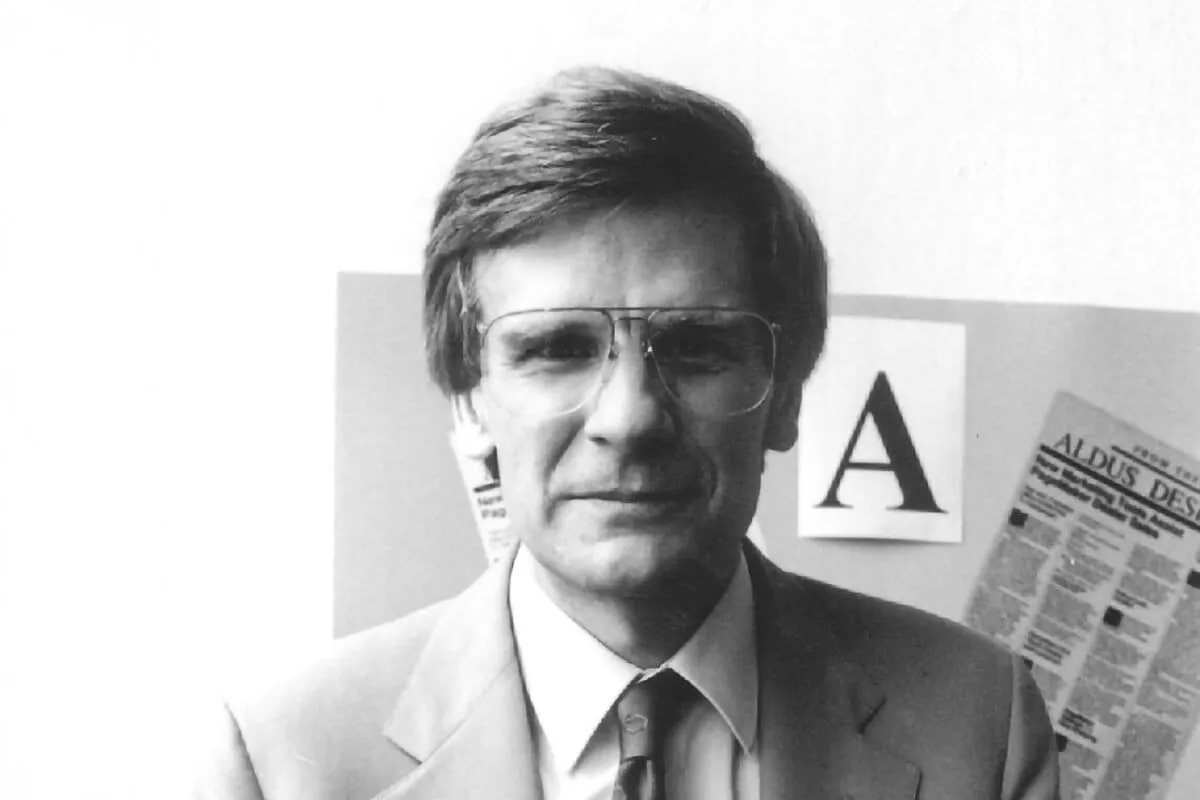
Paul Brainerd died on February 15th, 2026, at 78, having done something rare: he made publishing cheaper and easier, then spent much of what he earned trying to protect the landscapes being consumed by that same growth.
In the 1980s, when most people still thought of computers as glorified typewriters, Brainerd helped turn them into printing presses. In the 1990s and after, as the Pacific Northwest's wealth compounded, he tried to steer some of it into conservation organizations that could actually win fights, not merely stage them. His money came from software. His method was closer to editing.
The accidental architect of desktop publishing
Brainerd was born in Medford, Oregon, in 1947. He studied journalism at the University of Oregon and later earned a master's degree at the University of Minnesota. He worked in newspapers, but not in the romantic sense—he was drawn to production, workflow, the awkward interface between an idea and a printed page. That unglamorous focus turned out to matter.
We're a new kind of news feed.
Regular news is designed to drain you. We're a non-profit built to restore you. Every story we publish is scored for impact, progress, and hope.
Start Your News DetoxIt took him to Atex, a company building newsroom systems. When Kodak bought Atex and closed a research center in the early 1980s, Brainerd and several engineers found themselves unemployed and restless. In 1984 they founded Aldus in Seattle.
Within a year they shipped PageMaker, software that, paired with Apple's Macintosh and Adobe's PostScript, let ordinary users design pages that printed as they appeared on screen. Brainerd coined the phrase "desktop publishing"—a neat bit of compression that made a technical shift feel accessible and inevitable.
What he'd actually done was remove a gatekeeper. Before PageMaker, publishing required expensive equipment, specialized knowledge, and institutional access. After it, a person with a computer could do what once required a print shop. The software didn't just change workflows; it redistributed power.
That pattern—identifying where systems exclude people and then building ways to include them—seems to have shaped how Brainerd thought about conservation too. He didn't just write checks. He invested in organizations designed to win: groups with the legal expertise, scientific credibility, and political savvy to actually move policy. He understood that good intentions without structural capacity rarely survive contact with entrenched interests.
Brainerd's legacy sits at an interesting intersection. Desktop publishing accelerated the consumption of paper, the spread of information, the growth of the industries that now threaten the forests of the Pacific Northwest. Yet he also recognized that acceleration as a fact and tried to build the institutional muscle to push back against its worst effects. He didn't solve the contradiction—few people do—but he seemed to live it honestly, spending his second act trying to balance the ledger his first act had opened.