The world is still full of unknowns. Tucked under wet rocks, buried in ocean trenches, and encoded in genetic sequences are creatures that have never been named or catalogued by humans. Every year, researchers formally describe hundreds of new animals, insects, plants, and fungi — each one a small reminder that Earth's inventory is far from complete.
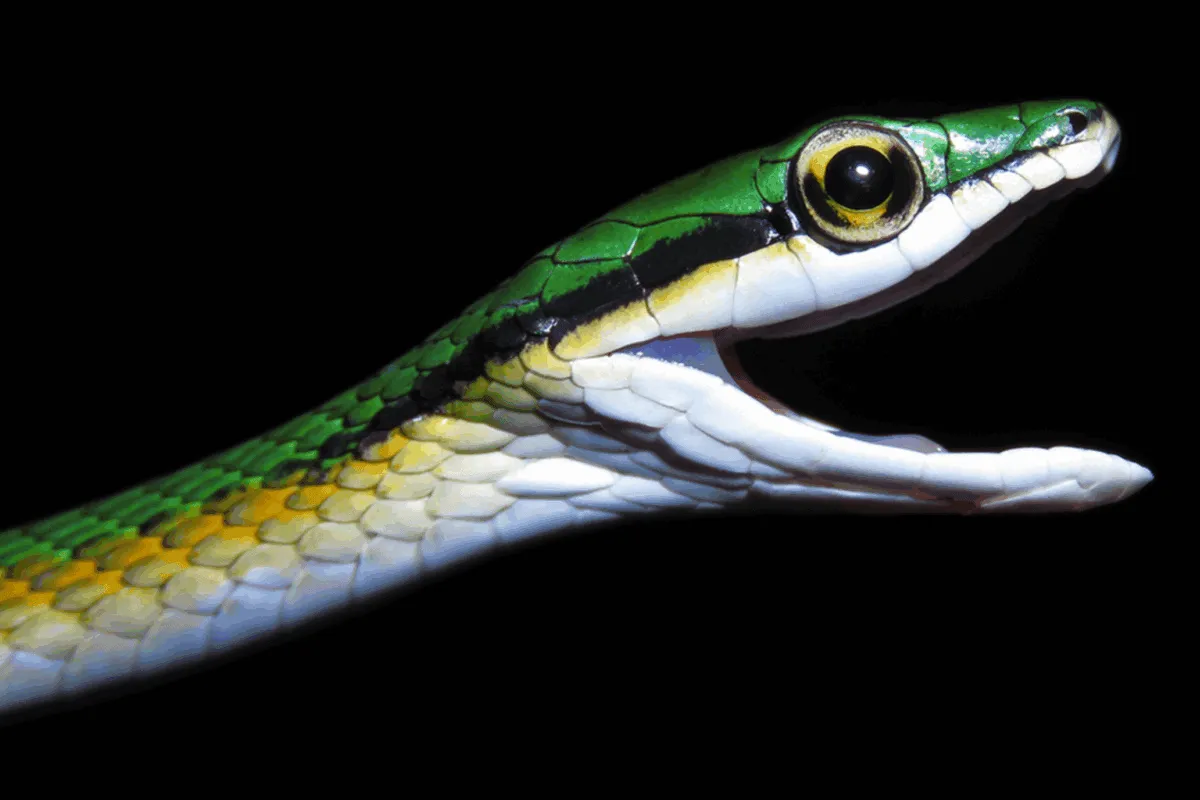
In 2025 alone, scientists have named a tiny new marsupial, a Himalayan bat, an ancient tree species, a bright blue butterfly, a parrot snake, and a fairy lantern plant, among dozens of others. But these discoveries represent just a fraction of what's actually out there. "In the best-case scenario, we know 20% of Earth's species," says Mario Moura, a professor at the Federal University of Paraíba in Brazil. "Some estimate that only 10% of all the species on the planet have been described."
That gap between what we've found and what exists has real consequences. Many species face extinction before they're ever formally named — casualties of habitat loss, development, and climate change. Some might have been sources of food or medicine. Others might have held clues to how ecosystems function. Each one, whether we notice it or not, plays a role in the interconnected systems that keep the planet habitable.
We're a new kind of news feed.
Regular news is designed to drain you. We're a non-profit built to restore you. Every story we publish is scored for impact, progress, and hope.
Start Your News Detox"We're understanding more and more that every species on the planet has a role, and in one way or another, is linked to our well-being through the part they play in ecosystems," says Boris Worm, a marine conservation biologist who has studied the scale of undescribed species on land and in the ocean. "We can't protect them if we don't know them."
That's the real weight of these discoveries. Finding a new butterfly or bat isn't just about expanding our field guides — it's about recognizing that protection starts with knowledge. The species being named this year represent a shift in how we see the natural world: not as something we've mostly figured out, but as something we're only beginning to understand.