A moose wandered into Transylvania this winter—the first confirmed sighting in Romania in centuries. For conservationists, it was a moment that felt less like luck and more like proof that something is shifting in how the region's forests work.
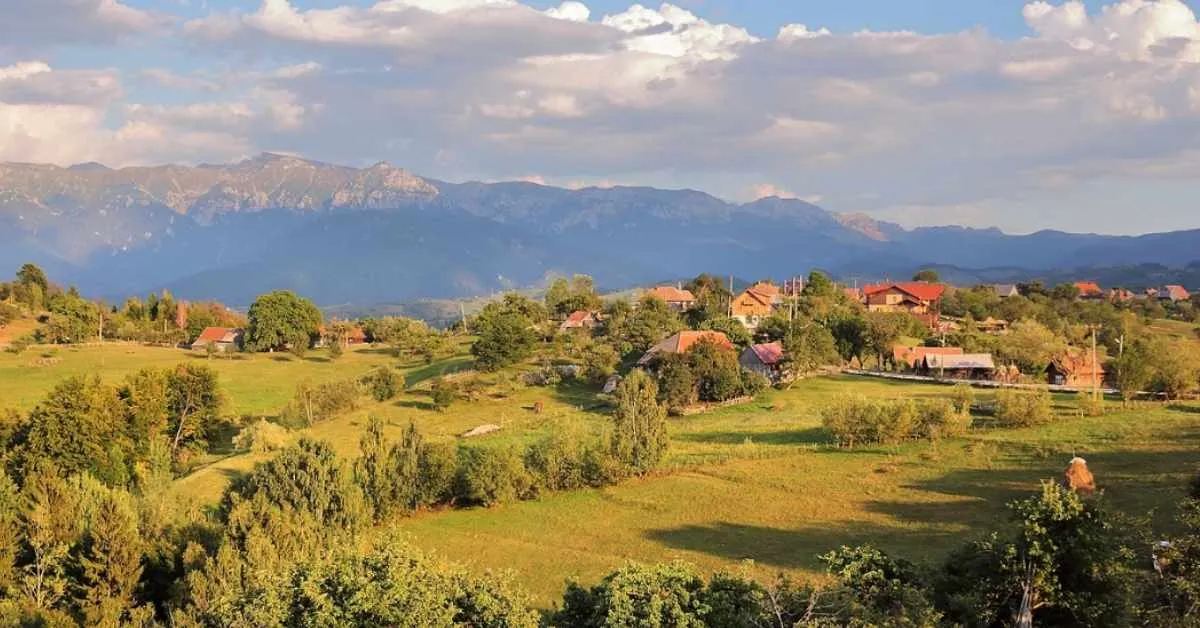
Rewilding Romania announced the discovery in December after their field team filmed the animal in Hunedoara County. Initial video footage was too grainy to be certain, but direct observation confirmed it: a moose, one of the largest land mammals on Earth, had returned to a place where it had been gone so long that locals had stopped expecting to see one.
The origin of this particular moose remains unclear. But the organization noted that stable populations exist in neighboring Ukraine and Poland—close enough that a wandering individual could make the journey, especially as forests in Eastern Europe begin recovering from centuries of clearing and fragmentation.
We're a new kind of news feed.
Regular news is designed to drain you. We're a non-profit built to restore you. Every story we publish is scored for impact, progress, and hope.
Start Your News DetoxWhy this matters more than a single sighting
Moose aren't just large animals that happen to exist. They're what ecologists call "ecosystem engineers." When a moose feeds on young saplings—willows, birch, aspen—it shapes the entire structure of the forest around it. That browsing clears space for other plant species to establish themselves, which in turn changes which insects, birds, and smaller mammals can survive there. One moose, eating its way through the understory, cascades into dozens of ecological changes.
"Moose are an ecosystem engineer in the forest ecosystem, and strongly impact everything from the species composition and nutrient availability in the forest," said Gunnar Austrheim, an ecologist at NTNU University Museum.
For Romania, the sighting carries historical weight. Moose were native here once—part of the landscape before hunting pressure and habitat loss pushed them out. Their disappearance wasn't a natural shift; it was a consequence of how humans reshaped the continent. Their return, even as a single individual, suggests that the conditions that drove them away might finally be loosening their grip.
Rewilding Romania is working with local authorities to monitor the area and protect the animal if it remains. The organization framed the discovery carefully: not as a miracle, but as evidence of what's possible. "In the past, there were stable populations in several countries in Europe, including Romania, being a species native to our country, but which disappeared over time," they wrote. "In this context, it is gratifying that we see the natural return of a species to an area where it once lived."
One moose doesn't restore a forest. But it suggests that after centuries of absence, the door is opening again.