Wildfires recently tore through 200 acres in Conwy, Wales, forcing 36 families to evacuate. Homes were singed, land was scorched, and the community was left reeling. So, when Greenpeace decided to paint a 1,120-square-meter mural of Prime Minister Andy Burnham on the blackened mountainside, clutching an oil drum with the words "Our house is on fire Andy," well, let's just say it didn't go over quite as planned.
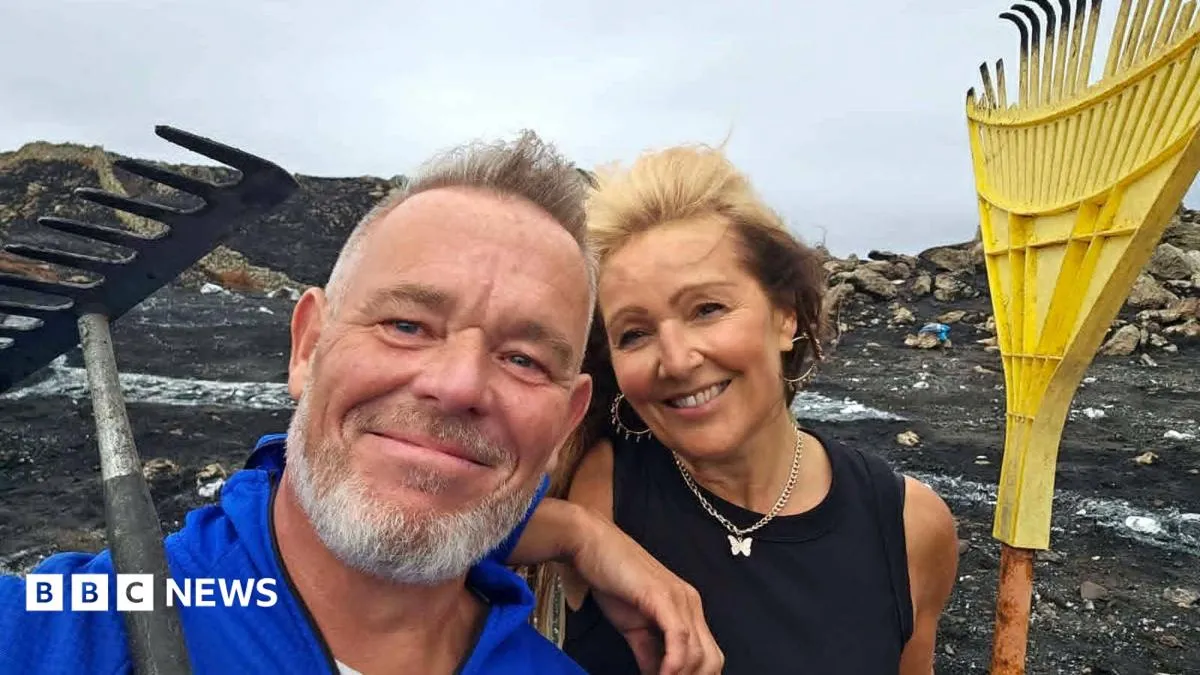
Because apparently, a giant political statement isn't everyone's idea of a thoughtful tribute to a traumatic event. Two local walkers, Allie Evans and Dean Ward, promptly decided this particular piece of performance art was less "raising awareness" and more "intrusion into grief." So, they grabbed some tools and went to work, turning the protest into a cleanup operation.
When a Message Lands Flat
Evans, a hairdresser who was among those evacuated, described feeling "so angry and upset" when she saw the mural. Her question was simple: how can an environmental organization "graffiti the earth and stain rocks"? She suggested a banner would have been a far less permanent (and less rage-inducing) way to get the message across. Which, if you think about it, is a fair point when you're talking about an organization dedicated to protecting the environment.
We're a new kind of news feed.
Regular news is designed to drain you. We're a non-profit built to restore you. Every story we publish is scored for impact, progress, and hope.
Start Your News DetoxSo, Evans and Ward took matters into their own hands. They spent hours breaking up the water-based paint, raking flakes into the soil, and generally trying to erase the prime minister's giant, painted face from the landscape. Some parts, they noted, were "baked" onto the rocks, leaving stripes that are still visible today. Dean Ward, for his part, publicly challenged Greenpeace online: "Thought Greenpeace was all about leave no trace and you do this to the mountain side?" Senedd member Janet Finch-Saunders called it "environmental vandalism."
Greenpeace UK's co-executive director, Areeba Hamid, later clarified that the artwork was not meant to upset anyone. The paint, she explained, was temporary, water-based, and typically used on sports turf – safe for plants and soil. It was applied to an area where the fire had already incinerated all vegetation, leaving only rocks and ash. The goal, she insisted, was to highlight the "escalating climate crisis" and challenge the system causing such devastation.
Which is all well and good, but sometimes, even the most well-intentioned message can get lost when it's painted directly onto someone's very recently charred backyard.