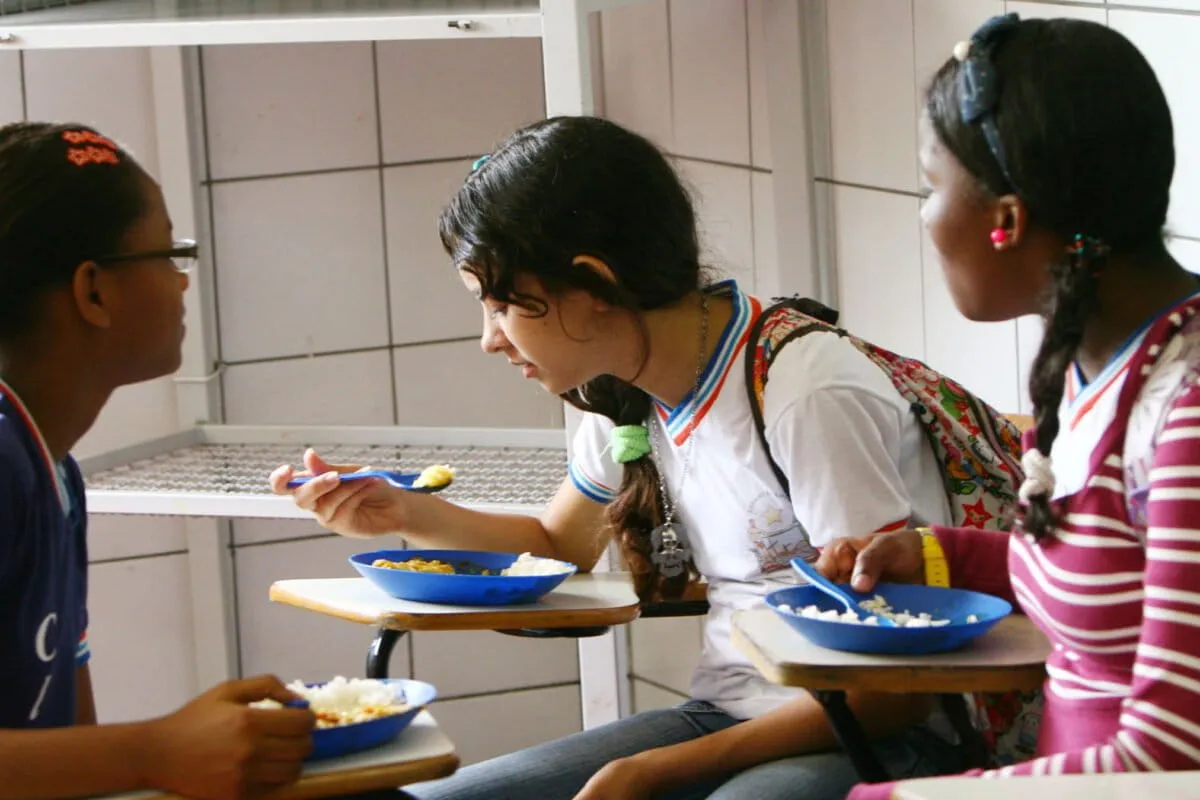
Rio de Janeiro's state education department has stopped serving shark meat in school cafeterias, citing mercury contamination and the fragility of shark populations. The ban, which took effect in October 2025, covers roughly 1,200 public schools serving hundreds of thousands of students—about 95% of all state-managed schools in the region.
The decision rests on guidance from the World Health Organization, the U.S. Food and Drug Administration, and Brazil's Oswaldo Cruz Foundation, a health research institute. Their shared concern: shark meat accumulates dangerous levels of mercury and other contaminants as these long-lived predators age. For children still developing, mercury exposure carries particular risks to the nervous system.
Lívia Ribera Souza, the education department's food safety coordinator, signed the directive after marine biologists flagged both the contamination issue and a broader ecological problem. Shark populations are vulnerable to overfishing—they reproduce slowly and take years to reach maturity. Serving them in school cafeterias, even in modest quantities, contributes to pressure on already stressed populations.
We're a new kind of news feed.
Regular news is designed to drain you. We're a non-profit built to restore you. Every story we publish is scored for impact, progress, and hope.
Start Your News DetoxThe move makes Rio de Janeiro the first Brazilian state to take this step, though it applies only to public schools. The roughly 10,400 private and municipal schools in the state remain outside the ban, meaning the policy affects a significant but incomplete portion of the state's student population.
Conservation groups and health advocates have welcomed the decision. The seafood industry has pushed back, unsurprised by resistance to a policy that removes a protein source from institutional purchasing. But the state's framing—protecting children's health while acknowledging ecological limits—sidesteps the usual culture-war rhetoric around food policy. It's a straightforward application of precaution: when evidence suggests a food poses risks to developing bodies and comes from vulnerable populations, school cafeterias aren't the place to serve it.
Other Brazilian states are now watching Rio's experience. If the ban holds without operational disruption, it could prompt similar policies elsewhere in the country.