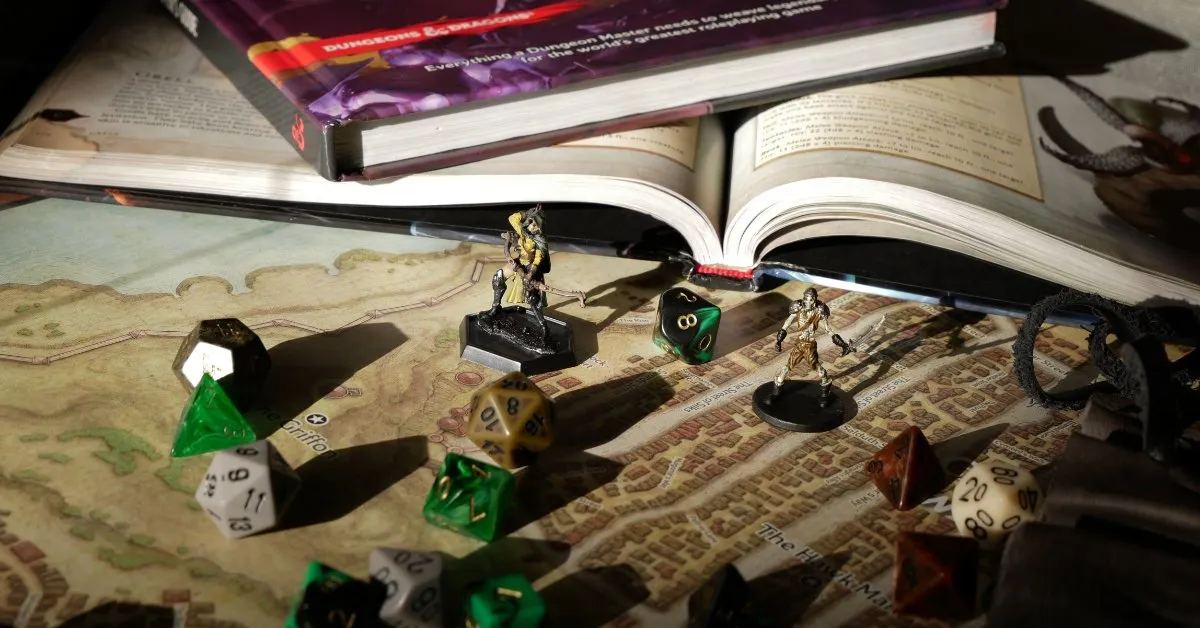
Dungeons & Dragons, that venerable tabletop game where grown adults pretend to be elves and wizards, has been having a bit of a moment. Thanks to shows like Stranger Things and Critical Role, it's gone from niche to mainstream. And now? Therapists are rolling the dice on it as a surprisingly effective tool in group therapy.
Because apparently, the best way to get someone to open up about their trauma isn't always a beige couch and soft lighting. Sometimes, it's a goblin-infested dungeon and a +3 sword of emotional insight.
Adventuring Through Anxiety
Clinical social worker Victoria Smith at DePaul University leads D&D therapy sessions for students, blending high fantasy narratives with very real issues like grief, procrastination, and past trauma. Her goal? To make group therapy feel less like a clinical obligation and more like, well, fun. Which, if you think about it, is both impressive and slightly terrifying for anyone who's ever endured a forced icebreaker.
We're a new kind of news feed.
Regular news is designed to drain you. We're a non-profit built to restore you. Every story we publish is scored for impact, progress, and hope.
Start Your News DetoxSmith and her colleague Nathaly Shammo, a social work intern, call their sessions "Game to Grow." Students craft their own characters, complete with backstories and goals, and then the facilitators guide them through an evolving storyline. It’s like a choose-your-own-adventure book, but with actual therapeutic outcomes.
Instead of just battling mythical beasts, these students role-play through situations that mirror their own mental health challenges. Shammo explains that this blend of storytelling and play empowers participants to support each other, build confidence, hone problem-solving skills, and even improve social interaction. Plus, they learn to handle unexpected situations — which, let's be honest, is a life skill we all need, whether facing down a dragon or a Monday morning meeting.
Studies back this up, showing that D&D can be a surprisingly potent force for identity building and social connection, especially for adults who might not have other avenues for exploring those interactions. Emily Messina from Florida International University points out that using leisure time to notch small wins can create a positive feedback loop, making people more motivated and feel more in control of their lives. Who knew that defeating a fictional lich could actually help you conquer real-world anxiety?
So next time you see a group huddled around a table with a 20-sided die, they might not just be escaping reality. They might just be figuring it out.