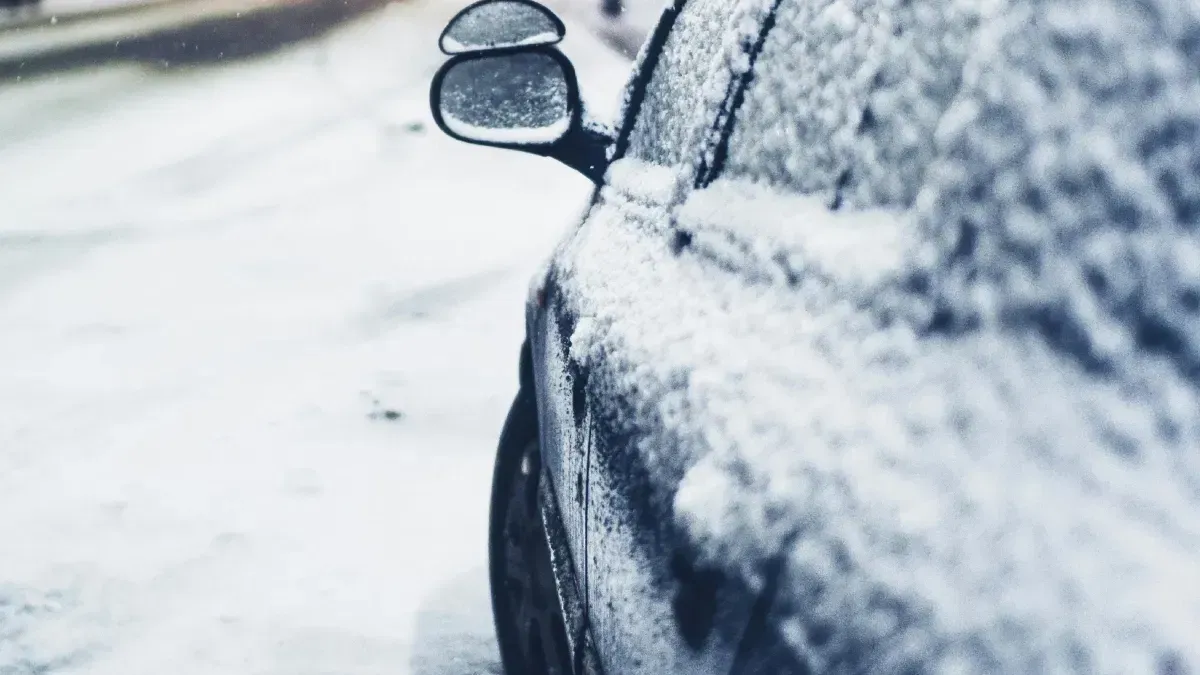
Russia's Kamchatka Peninsula just experienced something residents won't see again in their lifetimes. The Far Eastern region was hit with its biggest snowfall in 60 years—snow so deep it swallowed cars whole and sealed apartment building entrances shut.
Video from the region shows the scale of it: vehicles completely submerged, snow piled against windows higher than a person's head, drifts blocking doorways. One resident captured themselves jumping from an apartment window into the powder below, the depth of the snow breaking their fall.
What makes this storm notable isn't just the volume—it's how unusual it is for the region. Kamchatka sits on Russia's Pacific coast and is used to winter weather, but a 60-year gap between storms of this magnitude suggests something has shifted. Climate patterns in the Arctic and North Pacific have been increasingly erratic over the past decade, sometimes pushing weather systems into unexpected places or intensifying them beyond historical norms.
We're a new kind of news feed.
Regular news is designed to drain you. We're a non-profit built to restore you. Every story we publish is scored for impact, progress, and hope.
Start Your News DetoxThe social media reaction mixed genuine amazement with dark humor. People compared the landscape to disaster films, while others joked about their employers still expecting them at work. It's the kind of gallows humor that emerges when reality becomes almost unbelievable—a way of processing something that breaks the mental template of "normal winter."
What happens next matters more than the spectacle. Kamchatka's infrastructure—roads, power lines, building foundations—was designed around historical weather patterns. A 60-year storm suggests those patterns may be shifting. Scientists tracking Arctic warming have noted that extreme weather events are becoming more common in Russia's Far East, though predicting exactly where and when remains difficult.
For now, residents have weathered the immediate crisis. The real question is whether this represents a new baseline or remains a rare outlier. That answer will likely come from the next few winters.