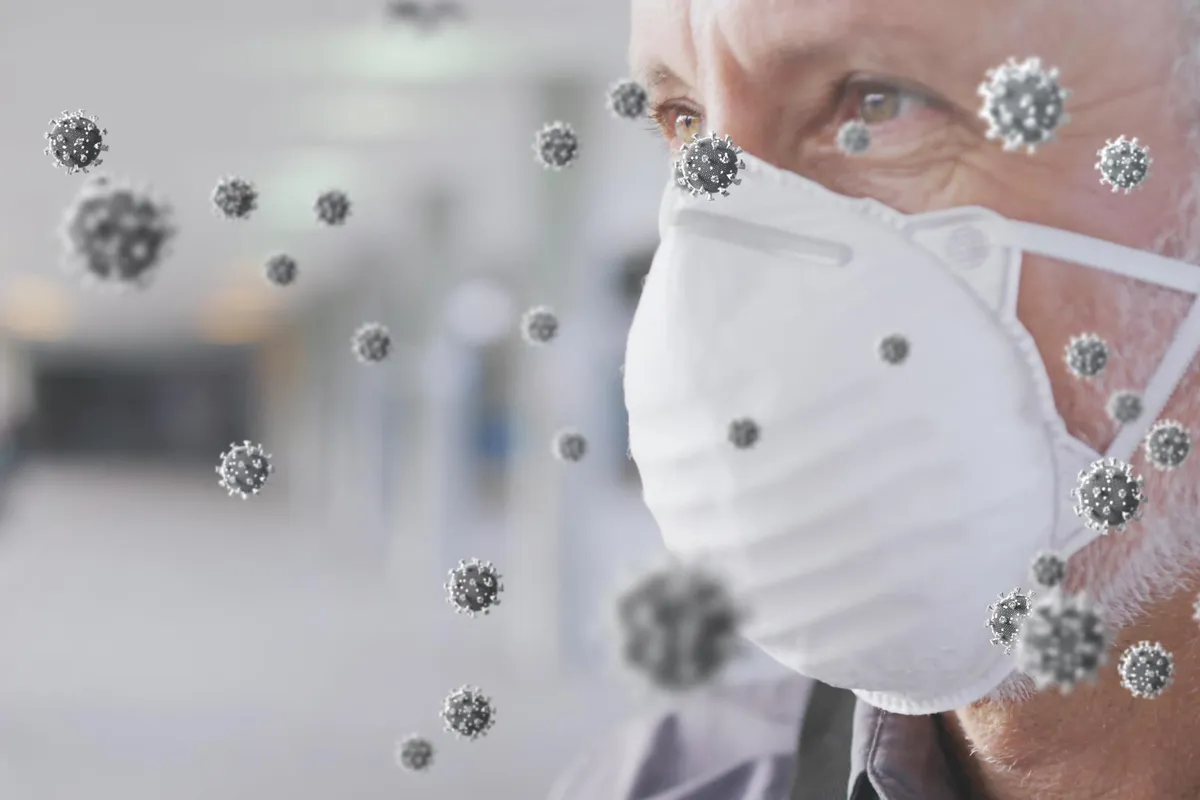
Imagine a tiny, invisible helper living in your nose that could decide if you bounce back from a virus or get stuck with long-term symptoms. New research just found one: a bacterium called Dolosigranulum pigrum. Turns out, higher levels of this specific bug mean a lower chance of getting long COVID.
Seriously, about 6% of people who get COVID-19 end up with lasting issues. That’s a huge number — roughly 400 million people worldwide still dealing with symptoms like crushing fatigue or brain fog. So, finding something that might stop it? That's pretty wild.
Your Nose Knows Best
Scientists at the University of Louvain in Belgium kicked off a study in 2021. They wanted to figure out early on who would get long COVID and, more importantly, how to stop it. Five years later, they found their answer in Dolosigranulum pigrum.
We're a new kind of news feed.
Regular news is designed to drain you. We're a non-profit built to restore you. Every story we publish is scored for impact, progress, and hope.
Start Your News DetoxThis bacterium naturally hangs out in your respiratory system. The more of it you have, the less likely you are to suffer from long-lasting COVID symptoms. Think of it like your body's personal bodyguard against the lingering effects of a nasty viral infection.
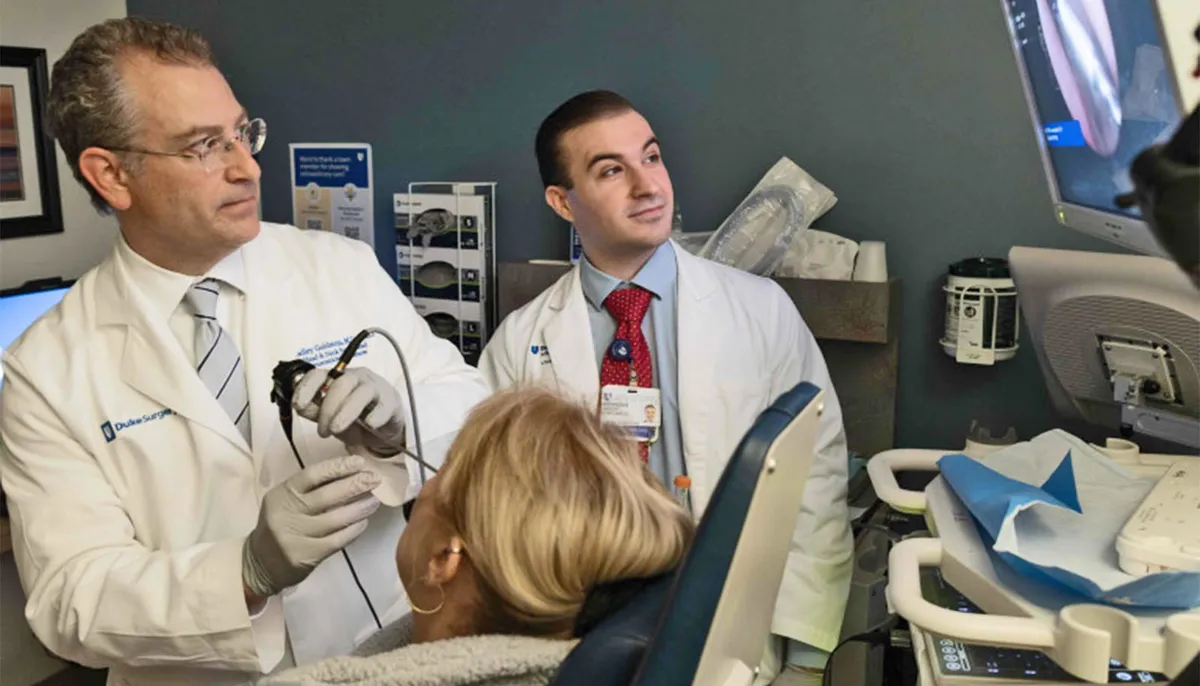
Professors Jean Cyr Yombi, Leïla Belkir, and Julien De Greef led the charge, studying 156 patients. They looked at everything from severe fatigue to memory problems and breathing issues. Other researchers, including Laure Elens, Patrice Cani, and Bradley Ward, dove into blood and nasal samples, hunting for the molecular clues that explain why some folks just don't recover.
They found that a healthy mix of these "good" bacteria in your respiratory system seems to be key for recovering from viruses like COVID-19 or the flu. Mess up that balance, and your long-term health could take a hit.
A Clever New Defense?
Here’s the thing: scientists already knew Dolosigranulum pigrum helped protect against the flu. Now, these new findings, published in Microbiology Spectrum, confirm its role against long COVID too. That's a huge deal.
This discovery could fast-track new treatments. Imagine a simple nasal spray probiotic you could use before winter hits. It could potentially boost your defenses against severe infections like COVID-19 or the flu. Pretty clever, right?
On the flip side, the study also showed that broad-spectrum antibiotics can mess with your respiratory system's ability to fight off infections. It's a solid reminder that we need to be smart about how and when we use those powerful medicines. This little bug could be a big part of feeling better, faster.