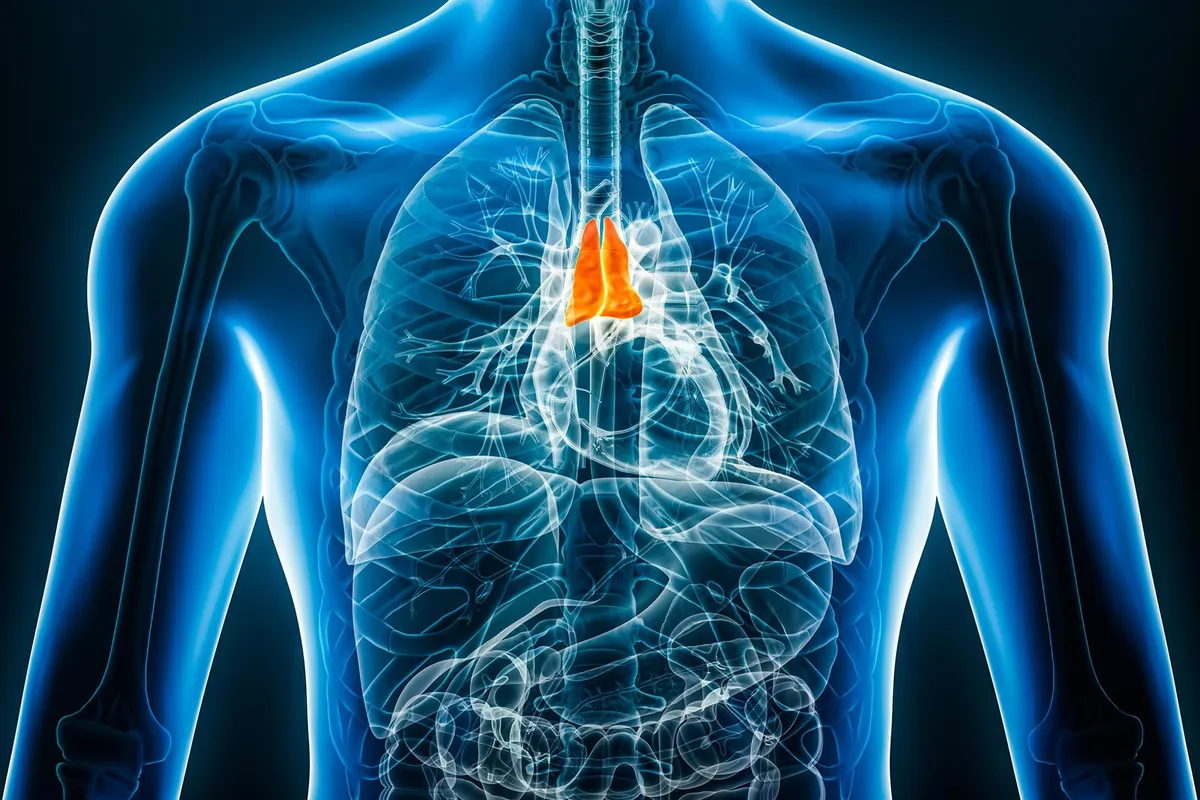
Turns out, that tiny organ behind your breastbone, the thymus, isn't just for kids. New research suggests it keeps working all your life, quietly fighting off cancer and other serious diseases.
For years, scientists thought the thymus basically retired after childhood. But a team at Aarhus University just dropped some pretty wild news: it's active way longer than we thought. And its health might actually decide how well you fight off cancer, heart disease, and even how well certain treatments work.
Your Immune System's Secret HQ
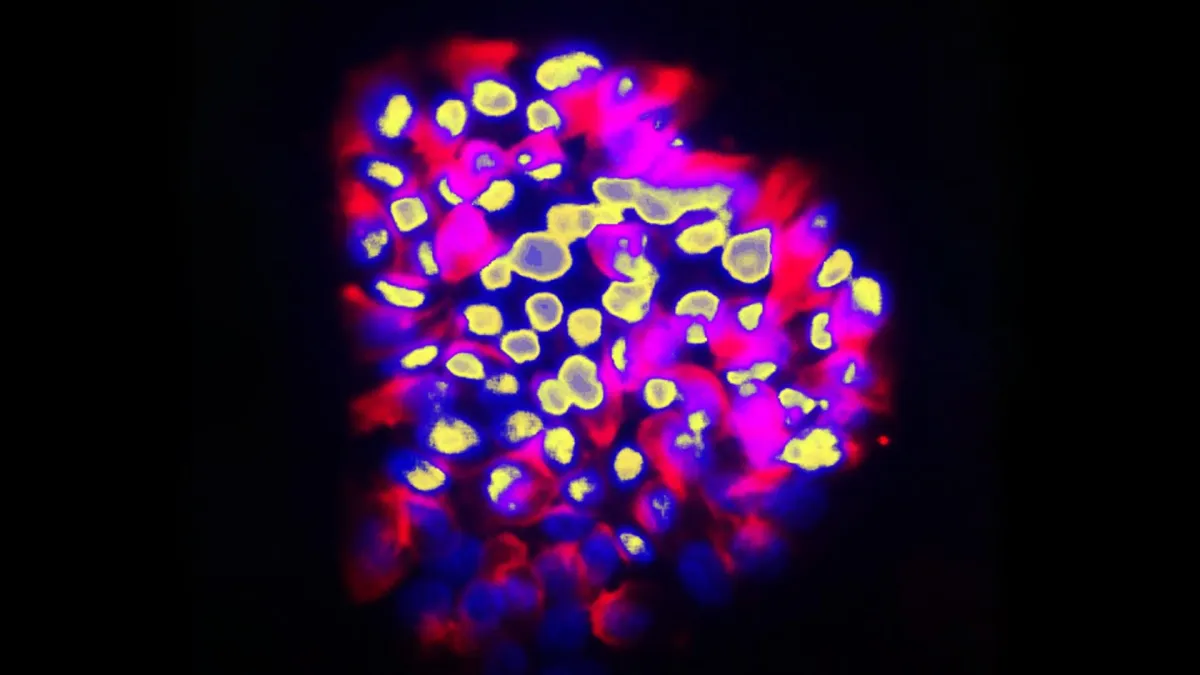
Think of the thymus as the bootcamp for your immune system's elite soldiers – the T cells. These cells are crucial for spotting and destroying invaders like viruses and cancer cells. Even though the thymus does get smaller as you age, a study in Nature shows it's still pumping out fresh T cells.
We're a new kind of news feed.
Regular news is designed to drain you. We're a non-profit built to restore you. Every story we publish is scored for impact, progress, and hope.
Start Your News DetoxProfessor Nicolai Birkbak, who led the research, called this discovery "paradigm-shifting." Basically, he's saying everything we thought we knew about the thymus just got flipped. A healthy thymus, he argues, could be key to staying healthy and beating diseases.
They looked at cancer patients getting immunotherapy, a clever treatment that uses your own T cells to attack tumors. What they found was pretty nuts: patients with a more active thymus responded much better to the treatment and lived longer. This suggests doctors might soon check your thymus health before deciding on the best way to fight your cancer.
Lifestyle Matters More Than You Think
Here's another cool part: your everyday habits actually impact your thymus. Things like smoking, carrying extra weight, and not moving enough can make your thymus shrink faster. That means fewer new T cells, which leaves your body less prepared to fight.
Birkbak's team saw huge differences in how fast people's thymuses declined, especially tied to lifestyle. A sluggish thymus isn't just a small problem; it's linked to a higher risk of early death, cancer, and heart disease. This is a big deal because it means we might be able to slow down this decline and boost our defenses.
Imagine a future where doctors can spot a rapidly aging thymus and offer ways to keep it healthy. This could seriously reduce your risk of major diseases and make treatments work better when you do get sick. It's like finding a hidden upgrade for your immune system, all powered by an organ we barely thought about.