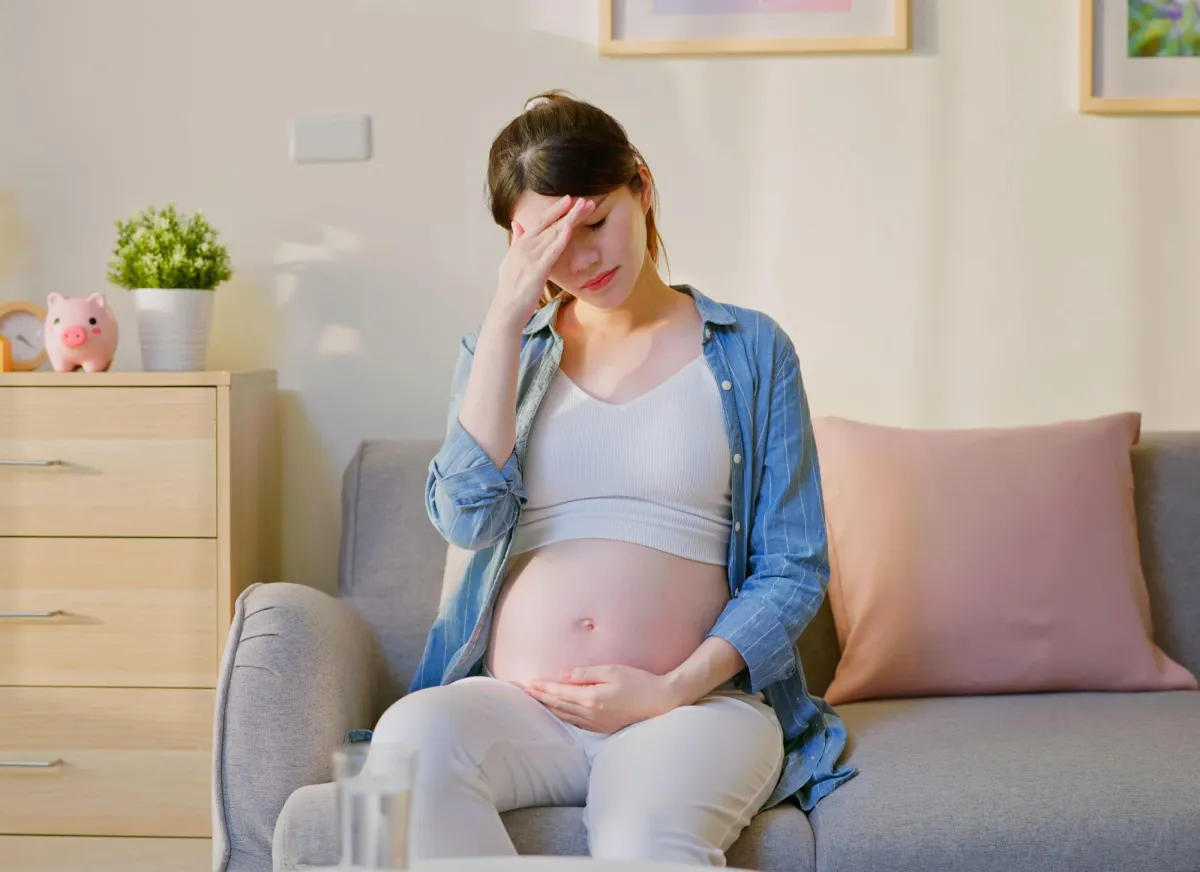
For anyone who's ever been pregnant, the idea that you might not be getting enough sleep probably sounds like the universe's most obvious observation. Hormones, discomfort, tiny humans kicking internal organs like it's a drum solo – of course, you're not sleeping. But new research suggests those restless nights aren't just making you tired; they might be actively causing anxiety.
Turns out, while postpartum depression gets a lot of airtime (and rightly so), anxiety disorders are actually more common during pregnancy and after birth. And scientists at Washington University in St. Louis think disrupted sleep could be an early warning system, popping up even before the full-blown anxiety takes hold.
The Sleep-Anxiety Connection
Around 15% of people experience an anxiety disorder during pregnancy or the postpartum period. This time is also a hotbed for OCD-like symptoms, from intrusive thoughts about the baby to the sudden, overwhelming urge to alphabetize the spice rack just to feel some control. (Ahem, speaking hypothetically.)
We're a new kind of news feed.
Regular news is designed to drain you. We're a non-profit built to restore you. Every story we publish is scored for impact, progress, and hope.
Start Your News DetoxTo figure out what was really going on, researchers tracked about 230 women through various stages of pregnancy and beyond. They wanted to see if changes in sleep actually predicted changes in anxiety and those obsessive tendencies over time.
It’s not exactly groundbreaking news that sleep goes downhill during pregnancy. Think hormonal rollercoasters, the baby doing acrobatics on your bladder, and then, you know, an actual baby demanding 24/7 attention. Sleep quality often hits rock bottom in the third trimester and stays there for a while after birth. Because apparently, that's where we are now.
Which Came First: The Worry or the Wake-Up Call?
The big chicken-or-egg question here was whether anxiety makes you sleep poorly, or if poor sleep makes you anxious. To unravel this, participants filled out surveys about their sleep, anxiety levels, and beliefs like "harmful events will happen unless I'm very careful" (a thought many new parents can probably relate to, sleep-deprived or not).
They also looked at 'coping ability' – basically, how confident someone felt about handling stress and adapting to life's curveballs. And the results were pretty clear: less sleep consistently correlated with increasing anxiety and stronger obsessive beliefs over time.
Specifically, women who reported more disrupted sleep tended to have higher anxiety during pregnancy and postpartum. This link was particularly strong for those who felt less confident in their ability to cope. Which, if you think about it, is both impressive and slightly terrifying.
Here’s the kicker: the study found little evidence that anxiety or obsessive beliefs caused sleep problems. Instead, the data suggests that sleep loss usually comes first, with anxiety symptoms developing later. As in, your body gives you a heads-up that it's struggling long before your brain fully catches on.
So, according to Rebecca Cox, one of the lead researchers, "trying to prioritize mom's sleep may have benefits for her mental health." Which, if you're pregnant and reading this, probably sounds like a genius idea you've already tried and failed at. But hey, at least now you know why it matters. And maybe, just maybe, you can guilt-trip your partner into that extra hour of uninterrupted slumber. You're welcome.