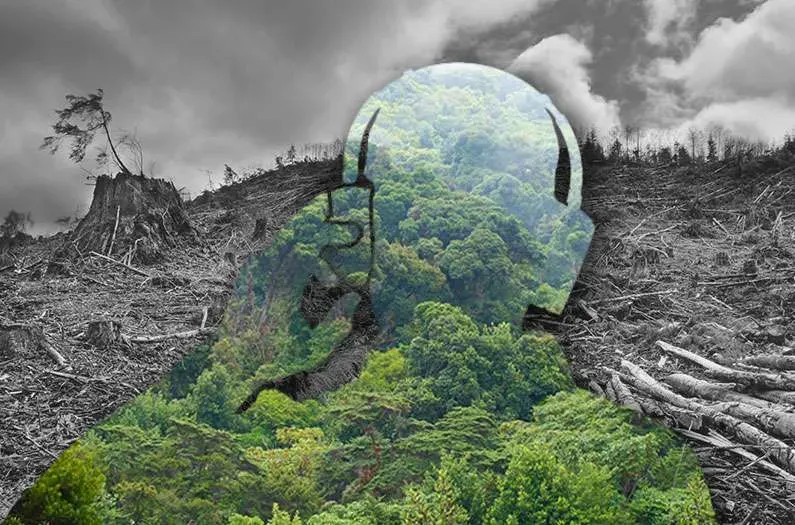
Brazil's Atlantic Forest is vanishing. What remains is a fragmented patchwork—home to birds, amphibians, and species found nowhere else on Earth. But as the forest shrinks to just one-third of its original size, something is shifting in the mosquitoes that live there.
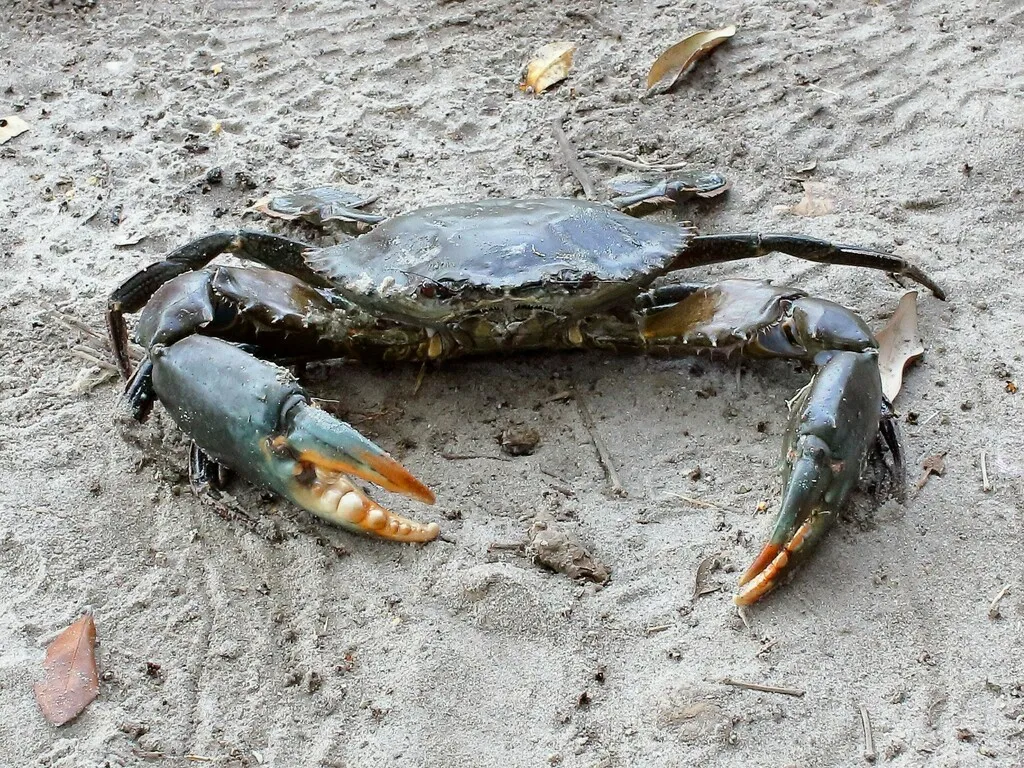
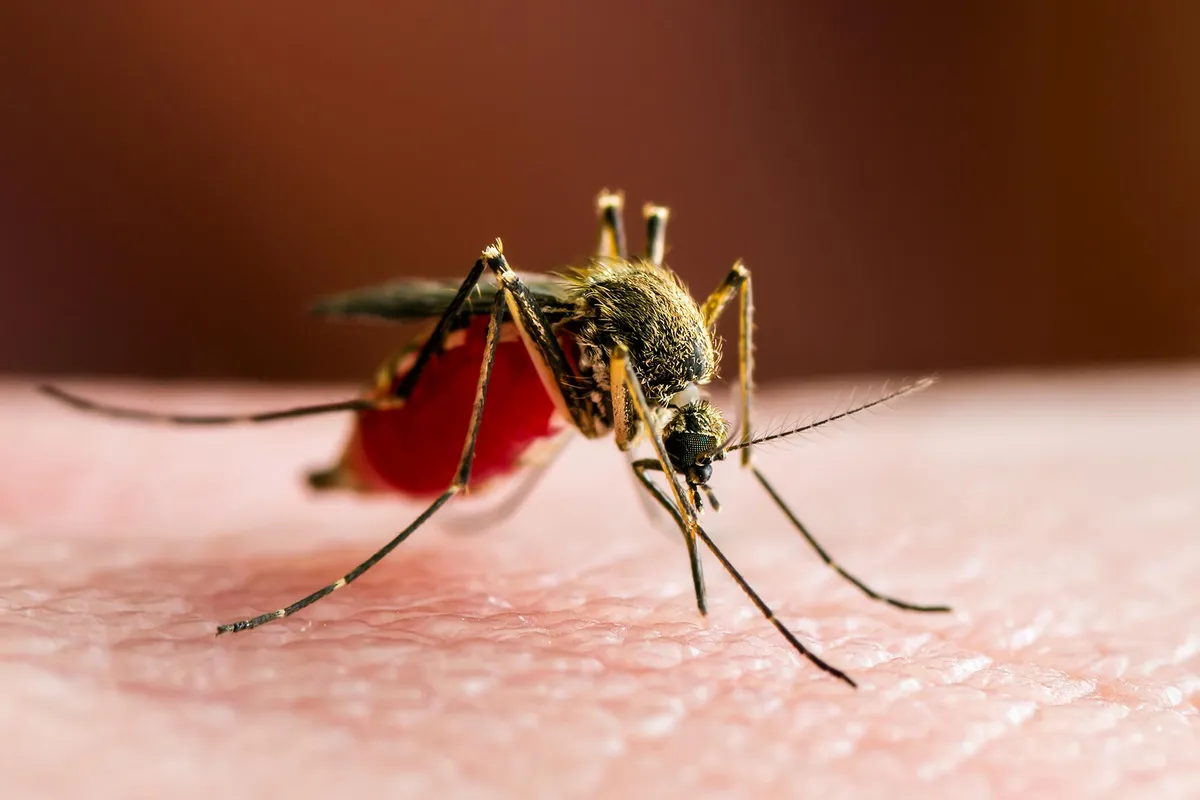
Researchers at the Oswaldo Cruz Institute in Rio de Janeiro captured and analyzed 1,714 mosquitoes from 52 species across two protected forest reserves. When they extracted DNA from the blood inside 145 blood-fed females, the pattern was stark: of 24 identifiable meals, 18 came from humans. The rest came from birds, amphibians, and small mammals.
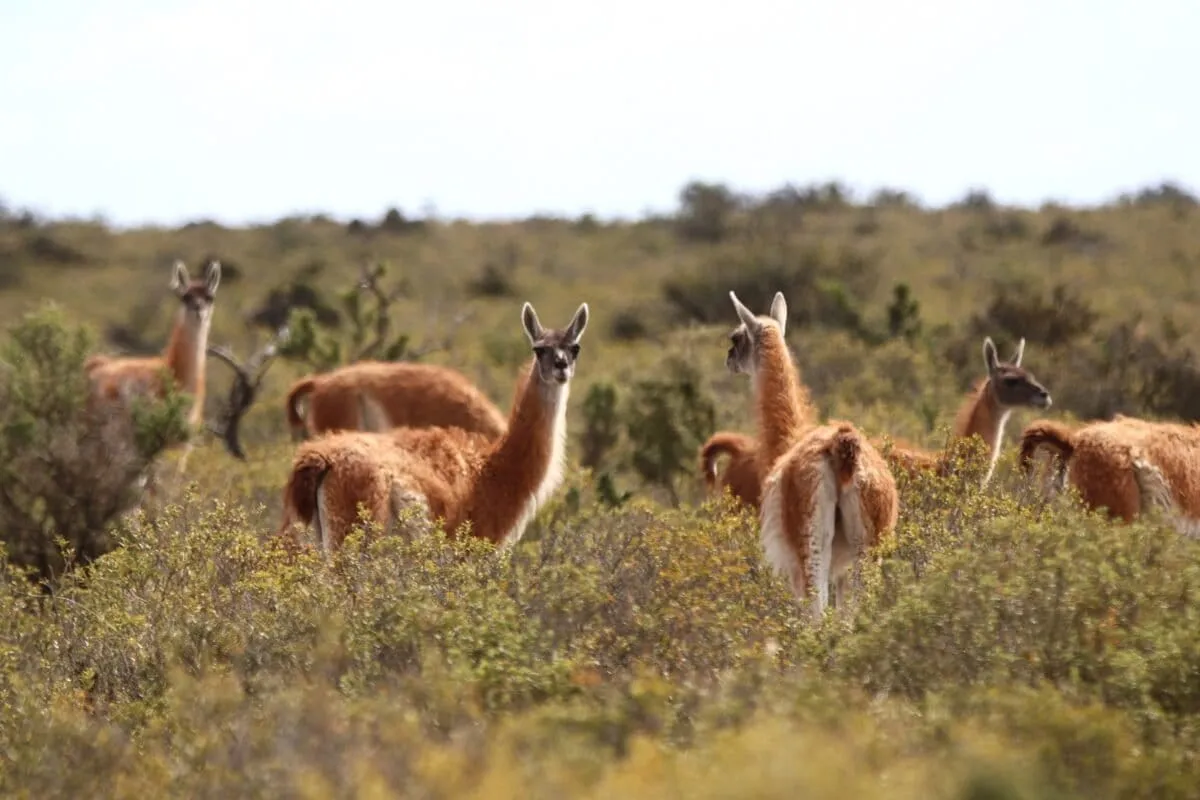
This isn't random. As forest habitat fragments, the natural prey that mosquitoes once relied on—amphibians, birds, small mammals—become scarcer or harder to find. Humans, by contrast, are everywhere in these edges where forest meets development. The mosquitoes aren't evolving a taste for us; they're simply adapting to a landscape where we're the most available meal.
We're a new kind of news feed.
Regular news is designed to drain you. We're a non-profit built to restore you. Every story we publish is scored for impact, progress, and hope.
Start Your News DetoxWhat this means for disease
The concern isn't the bite itself. In Brazil's Atlantic Forest remnants, mosquitoes carry dengue, yellow fever, Zika, Chikungunya, and other viruses that cause serious illness. When mosquitoes feed more often on humans, transmission risk rises. A mosquito that once split its meals between birds and amphibians now feeds on people—and potentially spreads pathogens with each bite.
Dr. Sergio Machado, who studies microbiology at the Federal University of Rio de Janeiro, frames it plainly: "With fewer natural options available, mosquitoes are forced to seek new, alternative blood sources. They end up feeding more on humans out of convenience, as we are the most prevalent host in these areas."
The research itself has limits—only about 7% of captured mosquitoes were visibly blood-fed, and DNA barcoding only worked on 38% of those. But the signal is clear enough that it's already informing public health strategy. Knowing which mosquito species in a given area prefer human blood allows health authorities to focus surveillance and prevention efforts where they're most needed. It's not a solution to deforestation, but it's a way to reduce harm while the larger question—how to preserve what's left of the Atlantic Forest—remains urgent.
The researchers point toward a longer-term possibility: control strategies that account for ecosystem balance rather than just fighting mosquitoes in isolation. That would mean protecting forest habitat, not just spraying for insects.