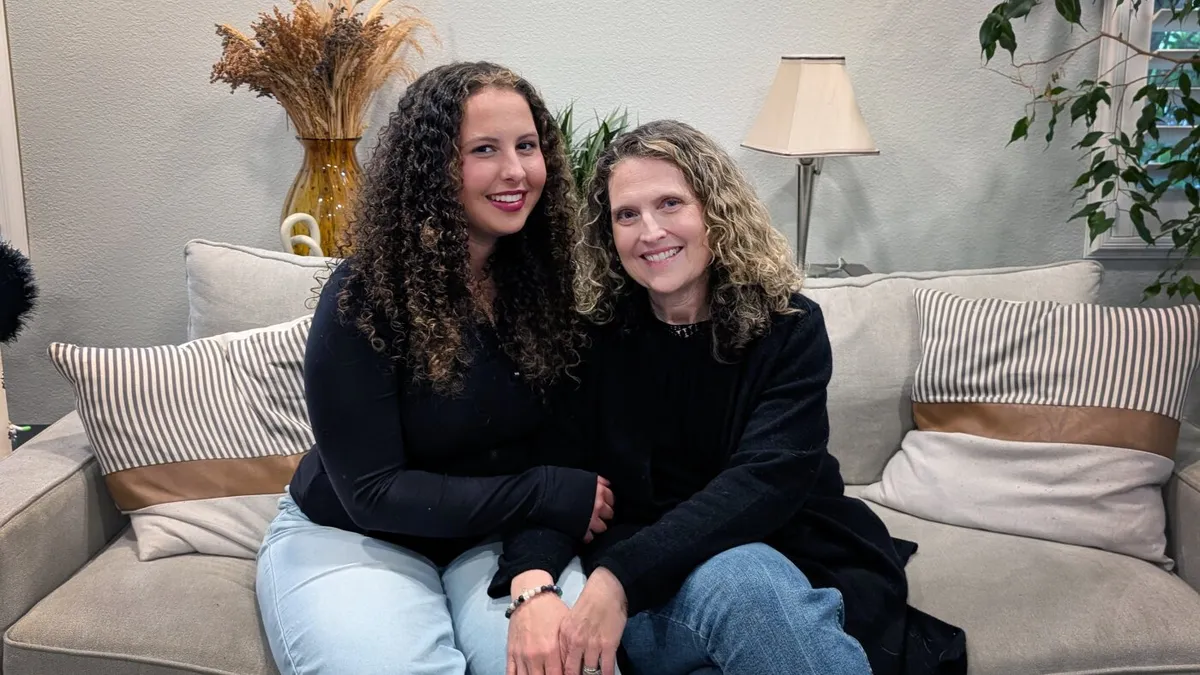
Soraya Martin, a ninth grader in Concord, California, recently discovered a passion for creative writing. Which is, frankly, astounding, because reading and writing have always been a Herculean effort for her, thanks to dyslexia.
Then came the tech. Last school year, Soraya started using specialized tools: speech-to-text for writing, audiobooks for reading, and a camera for snapping photos of whiteboard notes. Suddenly, the academic world didn't feel like a locked vault anymore.
The Irony of the Screen Ban
With speech-to-text on her school laptop, Soraya's thoughts could actually make it onto the page without the spelling struggle. Her grades improved, and more importantly, her confidence soared. She realized she actually had a lot to say. Which, if you think about it, is both impressive and slightly terrifying for her future debate opponents.
We're a new kind of news feed.
Regular news is designed to drain you. We're a non-profit built to restore you. Every story we publish is scored for impact, progress, and hope.
Start Your News DetoxSoraya's mom, Heather Martin, has watched this transformation firsthand. So, naturally, she's a little worried about the growing trend of screen bans in schools. States are rushing to limit cell phones, and some even want to ditch all screens – laptops, tablets, the whole digital enchilada. Even the U.S. Department of Health and Human Services has issued a stern warning about the dangers of too much screen time for kids. Heather gets it. She understands the concerns. But she also points out a glaring omission in these conversations: the 8 million-plus students with disabilities in the U.S. who rely on these very screens as essential tools. For a blind student, a screen reader isn't a distraction; it's their eyes. For Soraya, speech-to-text isn't a luxury; it's her voice.
Unintended Consequences and Blunt Instruments
States like Alabama, Tennessee, and Utah are already rolling out screen-limiting laws, some starting as early as July. Lindsay Jones, CEO of the Center for Applied Special Technology (CAST), calls these policies "blunt instruments" – quick, sweeping changes that often overlook the nuances of individual needs. She's concerned about the speed at which these decisions are being made.
While some laws include exceptions for students with disabilities, Jones argues that's the bare minimum. She fears educators and disabled communities are being left to scramble, trying to figure out how to implement these changes without sufficient time or input from the people most affected. Apparently, common sense isn't always common practice.
At Soraya's high school, phones are now locked in pouches all day. Soraya, for her part, dislikes them. Her phone isn't just for notes; it's a safety net, allowing her to call her parents during a panic attack. Having to ask permission to access her phone for an accommodation outlined in her individualized education program (IEP) makes her feel singled out, creating an extra hurdle where there shouldn't be one. Jones calls these "unintended consequences" of well-meaning but poorly executed policies. She advocates for Universal Design for Learning, a framework that encourages teachers to build flexible classrooms from the start – offering lessons in various formats like blocks, diagrams, videos, or e-books that can be magnified or listened to. Because, you know, planning ahead can prevent a lot of headaches.
As the screen limits spread, the hope is that the unique needs of students with disabilities aren't simply an afterthought. Soraya, for her part, is thriving. She recently wrote essays exploring how people with dyslexia learn, is pulling straight A's, and feels more confident than ever. Turns out, giving someone the right tools can make all the difference.