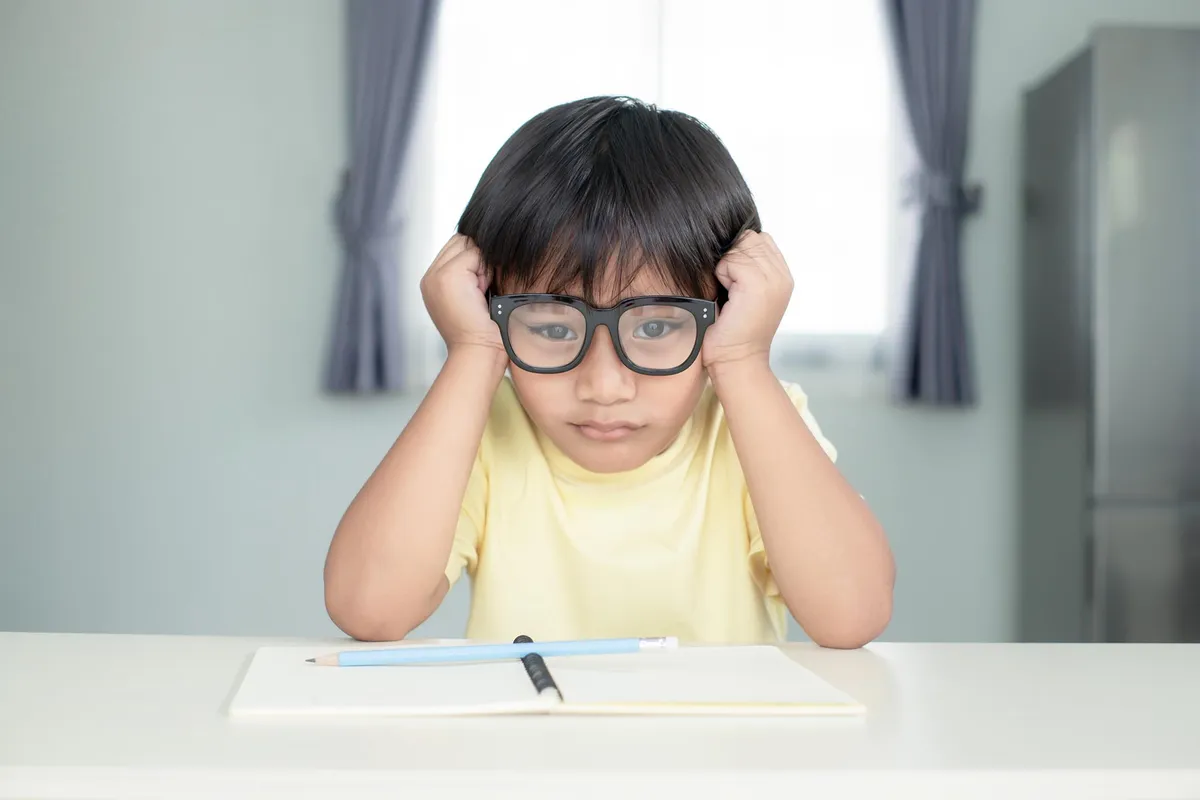
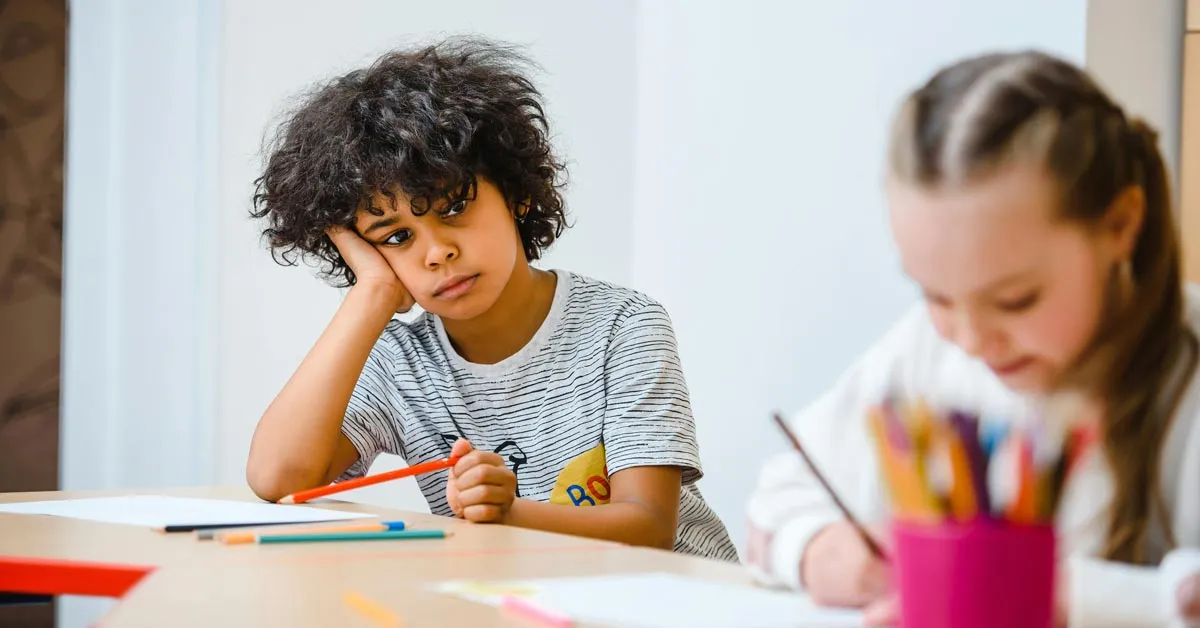
Your child stares out the window. No tablet. No activity planned. You feel the familiar pull to fill the silence—a quick video, a craft kit, something. But what if that empty afternoon is doing exactly what it should.
Boredom has become something parents treat like a problem to solve. We have screens, structured activities, and curated enrichment waiting in every pocket. The irony: we're trying to protect kids from the one thing that actually teaches them how to manage themselves.
Here's what happens when a child is bored. Their brain doesn't shut down—it shifts into a different mode. Without external stimulus, they start to notice what they're curious about. They might rearrange their room, ask questions that seem to come from nowhere, or sit quietly and think about something that's been bothering them. That restless feeling—that's the signal that something needs to change. And learning to respond to that signal, rather than numbing it, is how we develop the ability to set our own goals and solve our own problems.
We're a new kind of news feed.
Regular news is designed to drain you. We're a non-profit built to restore you. Every story we publish is scored for impact, progress, and hope.
Start Your News DetoxPsychologists call this executive function, and it's one of the strongest predictors of success in school and life. It's not something you can download or outsource to an app. It develops through practice, starting small. A child who learns to sit with boredom for ten minutes—really sit with it, not distract from it—is building the muscle to handle bigger challenges later. They're learning that discomfort isn't an emergency. That their own mind is a place worth paying attention to.
The pressure parents feel is real. Work stress, financial worry, the sense that every moment should be optimized. Screens are genuinely helpful for that—they buy time. But there's a cost we don't always see. Kids who rarely experience boredom also rarely develop emotional regulation. They become dependent on external input to feel okay. When a difficult emotion arrives—frustration, loneliness, uncertainty—they don't have the internal resources to sit with it. They've never practiced.
Boredom is also universal. Across cultures, ages, and centuries, people have experienced it. That suggests it's not a glitch in human development—it's a feature. It's the feeling that prompts us to grow, to try something new, to become curious about the world. Without it, we'd stay still.
None of this means screens are evil or that every moment should be unstructured. But it does mean that the occasional afternoon with nothing to do isn't a failure of parenting. It's an opportunity. A child who learns to be comfortable with boredom—who discovers what they actually want to do rather than what they're told to do—becomes someone who can direct their own life. That's worth protecting, even if it feels uncomfortable at first.