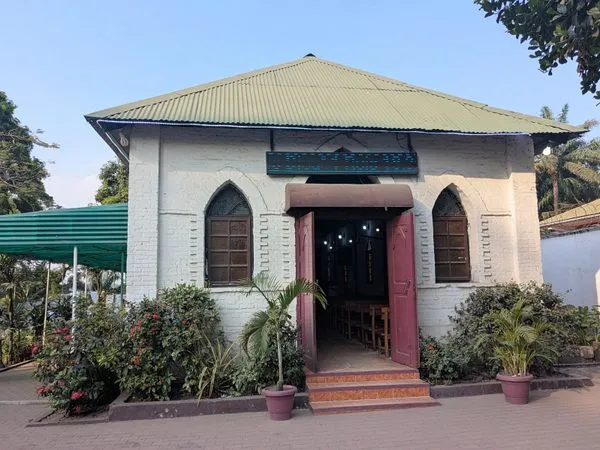
Picture this: 1882. A Scottish missionary doctor named Aaron Sims, fresh off the boat and following in the rather large footsteps of David Livingstone, lands in the Congo. He’s there for the Livingstone Inland Mission, a mouthful of an organization that promptly sends him to Léopoldville—a city so new, it had only been founded the year before by Henry Morton Stanley himself. Because, apparently, that's how you start a new life. And a city.
Then things got complicated, as they tend to do when European powers are involved. King Leopold II of Belgium, ever the micromanager of his colonial ambitions, decided British influence needed a leash. So, he decreed that missions had to stick close to Belgian bases. Because nothing says "spiritual freedom" like a royal zoning ordinance.
By 1884, the Livingstone Inland Mission threw in the towel, handing Sims and his budding mission over to the American Baptist Missionary Union. A new name, same determined missionary. But there was a problem: termites. The silent, wood-chomping nemesis of any tropical building project. Sims, ever resourceful, didn't just throw up his hands. In 1891, he got local students involved, and they started making bricks. Actual bricks. By hand.
We're a new kind of news feed.
Regular news is designed to drain you. We're a non-profit built to restore you. Every story we publish is scored for impact, progress, and hope.
Start Your News DetoxThis allowed construction to begin on a new chapel by the end of that year, a sturdy structure designed to hold 50 Congolese church members. Sims stuck around for another three decades, serving until his death in 1922. Which, if you think about it, is a pretty impressive run for anyone, let alone a missionary doctor in late 19th-century Congo.
Fast forward 135 years. Léopoldville grew up, shed its colonial name, and became Kinshasa after independence. The city center has since done a graceful eastward shift, leaving Sims' Chapel in the quieter Ngaliema commune. And here’s the kicker: it still stands. It still hosts worshippers. It looks pretty much exactly as it did when it was built. It has outlasted everything else, becoming the oldest permanent structure still standing in the sprawling, vibrant metropolis of Kinshasa. A testament to bricks, determination, and perhaps, a little bit of stubborn Scottish grit.