In 2023, Naresh Shanbhag, a 53-year-old sales professional, had a stroke that left him unable to speak. He began physical therapy to regain strength on his right side. But forming sentences and remembering words was very difficult.
A doctor friend suggested music therapy. Shanbhag was skeptical at first, thinking listening to songs wouldn't help. However, his doubts quickly vanished. "From the very first session, I was hooked," he said.
Music Therapy in Action
Shanbhag went to India's first music cognition lab in Bengaluru. It's located at the National Institute of Mental Health and Neurosciences (NIMHANS). There, he started with simple rhythms and beats. He tapped them out on a smartphone app. "For the first time since my stroke, I felt a sense of achievement at every new task I mastered," he recalled.
We're a new kind of news feed.
Regular news is designed to drain you. We're a non-profit built to restore you. Every story we publish is scored for impact, progress, and hope.
Start Your News DetoxHis therapist noticed he could sing more easily than he could talk. So, Shanbhag was asked to sing sentences. Even a year later, he still sings his shopping list every morning. While his speech is still slow, he and his wife believe these sessions greatly sped up his recovery.
The lab is run by Shantala Hegde, a neuropsychology professor and classical vocalist. Her team helps dozens of patients each month with brain injuries. The cost is low, about $42 U.S. for 20 sessions, because it's a government hospital. In private settings, it would cost much more.
Hegde's team has helped patients regain speech, coordination, and independence. Some, like Shanbhag, have recovered enough to manage daily life.
How Music Rewires the Brain
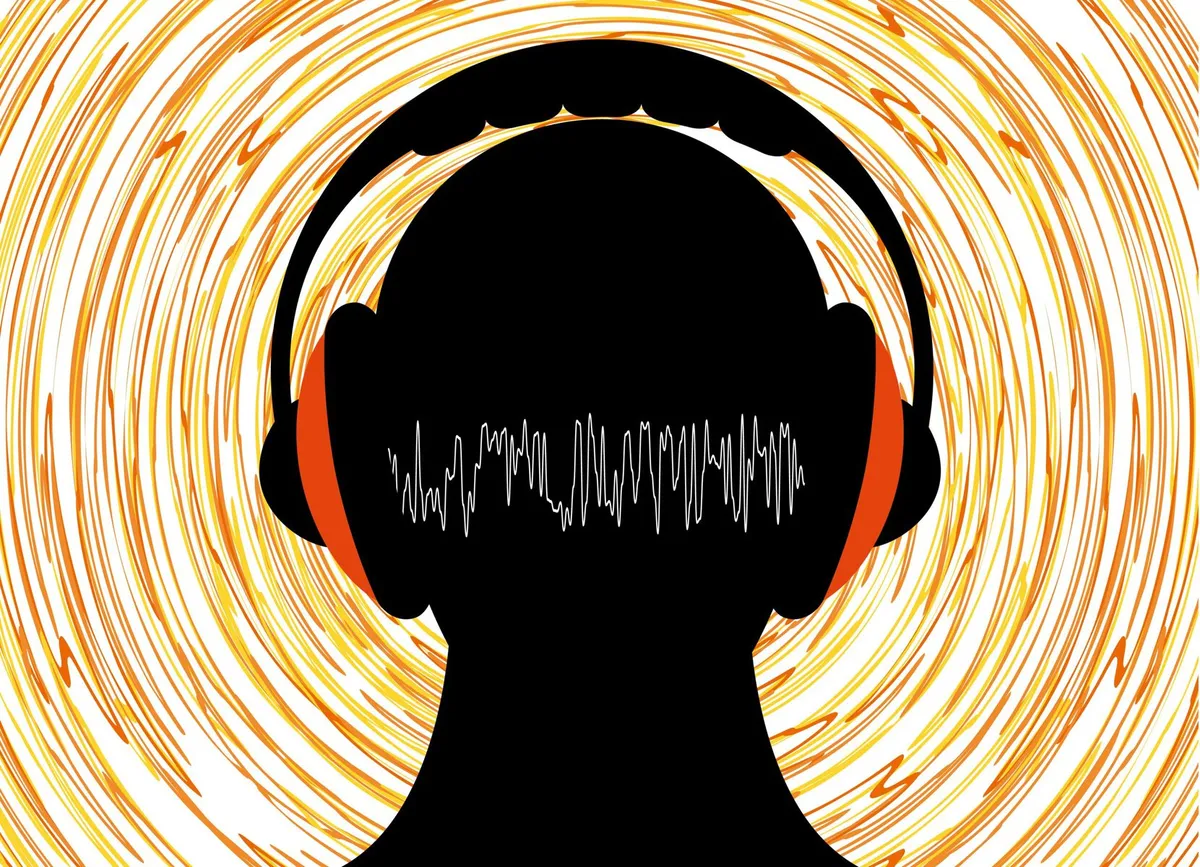
Hegde explained that music is a powerful tool for rehabilitation. It engages the entire brain. It's not just about listening to music, which has its own benefits. Instead, patients do specific musical exercises. These exercises activate different brain areas and strengthen their connections. The type of music doesn't matter, but Indian music is often used in Bengaluru to make it more engaging.
The brain's ability to change is key to music therapy. This is called "plasticity." Undamaged parts of the brain can rewire themselves to make up for injured areas. William James, often called the father of American psychology, first described this in 1890. Around the same time, neuroscientist Santiago Ramón y Cajal suggested brain connections could be reorganized by mental exercises.

In 1973, the first formal music therapy for stroke patients, Melodic Intonation Therapy, was developed. This technique uses the melody and rhythm of singing to help patients speak full sentences. This is exactly how Shanbhag learned to sing his grocery list.
Today, music-based rehabilitation is a proven, non-invasive way to help the brain recover after stroke and other injuries. Modern science combines with musical techniques. Hegde and other therapists tailor these methods to each patient. Rhythmic auditory stimulation is a common technique. It uses musical rhythm as an external cue to help patients control their movement. This has helped people with stroke and Parkinson's disease walk better and with more balance.
Music-based rehabilitation helps in two main ways. First, rhythm helps the brain organize actions in time. This includes coordinating steps while walking or structuring speech. This explains why Shanbhag struggled to speak but found it easier to sing. Second, the patterns, repetition, and melody in songs make information easier to remember. These patterns support the brain as it relearns lost skills.
Personalized Approach and Future Outlook
Shanbhag completed 40 one-hour music therapy sessions at NIMHANS. He enjoyed them so much that he looked forward to each one. He practiced replicating rhythms, notes, and pitches. "Over time, I began to use beats and tunes to speak sentences," he said.
Hegde uses a mix of techniques. She first assesses each new patient's condition. Success depends on the severity of brain damage, how long the patient has had the condition, and their "cognitive reserves." Cognitive reserve refers to how actively a patient used their brain before the injury. Factors like social connections, education, and activity levels contribute to this. They help Hegde determine if the therapy will be beneficial.

For patients with mild brain injuries, changes can appear within a couple of weeks. Shanbhag completed his 40 sessions over a year. He can now speak coherent sentences, walks better, and even started an Instagram page for music videos. This is a huge improvement from his condition after the stroke.
Despite success stories, music therapy faces challenges. Some studies show only moderate impact, and training for therapists, especially in India, is slow. Hegde believes that standardizing protocols and conditions is crucial for the therapy to become more widespread.
There are about 70 music therapy practitioners in India. Hegde emphasized the need for more trained professionals. Some skeptics suggest that the enjoyment of music therapy might contribute to its success, as patients are more likely to stick with it than with exhausting physiotherapy.
The scientific evidence for music therapy is still growing. Hegde also noted that many musicians with online certifications are calling themselves music therapists. She stressed that proper training and evidence-backed protocols are essential.
To address these issues, researchers are working to develop strict guidelines for music-based interventions. This will help make the therapy more mainstream and improve understanding of how rhythm and music contribute to brain recovery.
Shanbhag, happy to have found his voice, now serenades his wife.