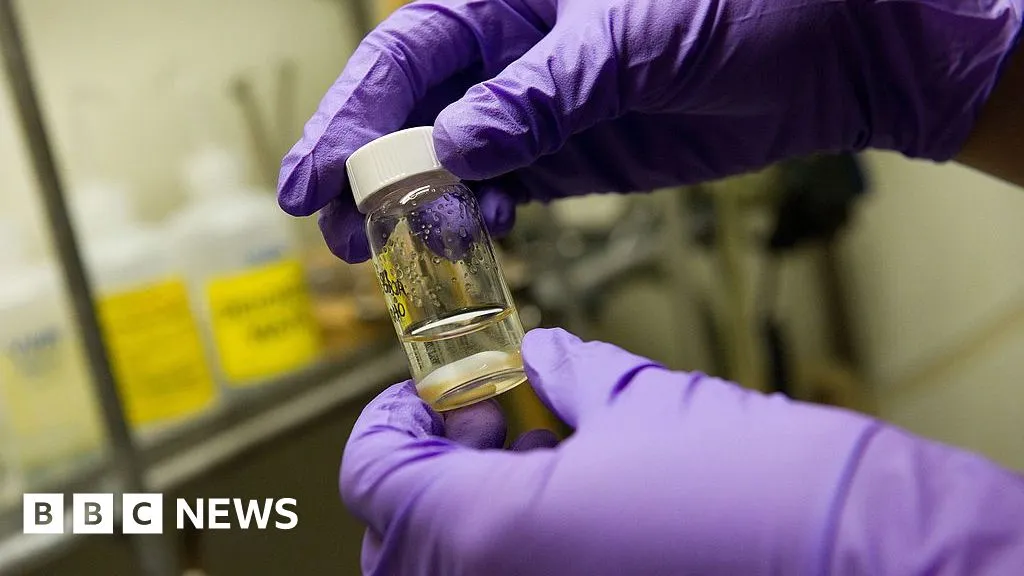
Scientists at Stanford University have created a vaccine that works differently from anything we've seen before. Instead of training your immune system to recognize one specific virus, this nasal spray puts your lungs on high alert—priming immune cells called macrophages to respond rapidly to any invading virus or bacteria.
In animal studies, the effect was striking. When exposed to respiratory viruses, vaccinated subjects saw a 100-to-1,000-fold reduction in viral penetration into the lungs. For pathogens that did get through, the immune system responded at what researcher Bali Pulendran described as "warp speed." The vaccine also protected against two common bacterial lung infections: Staphylococcus aureus and Acinetobacter baumannii.
A Different Kind of Protection
Traditional vaccines are like giving your immune system a wanted poster—they show it exactly who to look for. This approach is different. It's more like putting every guard on the perimeter on alert, ready to respond to any intruder. That shift in strategy opens up possibilities that haven't existed before.
We're a new kind of news feed.
Regular news is designed to drain you. We're a non-profit built to restore you. Every story we publish is scored for impact, progress, and hope.
Start Your News DetoxOne unexpected finding: the vaccine reduced immune reactions to house dust mite allergens, suggesting it might help with some allergic responses too. The researchers also see practical applications during pandemics. When a new virus emerges and a specific vaccine is still months away, a universal respiratory vaccine could provide immediate broad protection while researchers develop something more targeted.
There's a seasonal angle as well. Instead of the annual flu shot, people might use this as a winter spray to bolster immunity against the usual respiratory bugs that circulate each year.
The team isn't suggesting this replaces traditional vaccines—they see it as complementary. And they're being cautious about one concern: keeping the immune system in a heightened state long-term could theoretically cause unwanted side effects. That's exactly why human clinical trials are the next step. If those trials confirm what animal studies suggest, this could reshape how we think about respiratory illness prevention.